

 Michael Satterfield
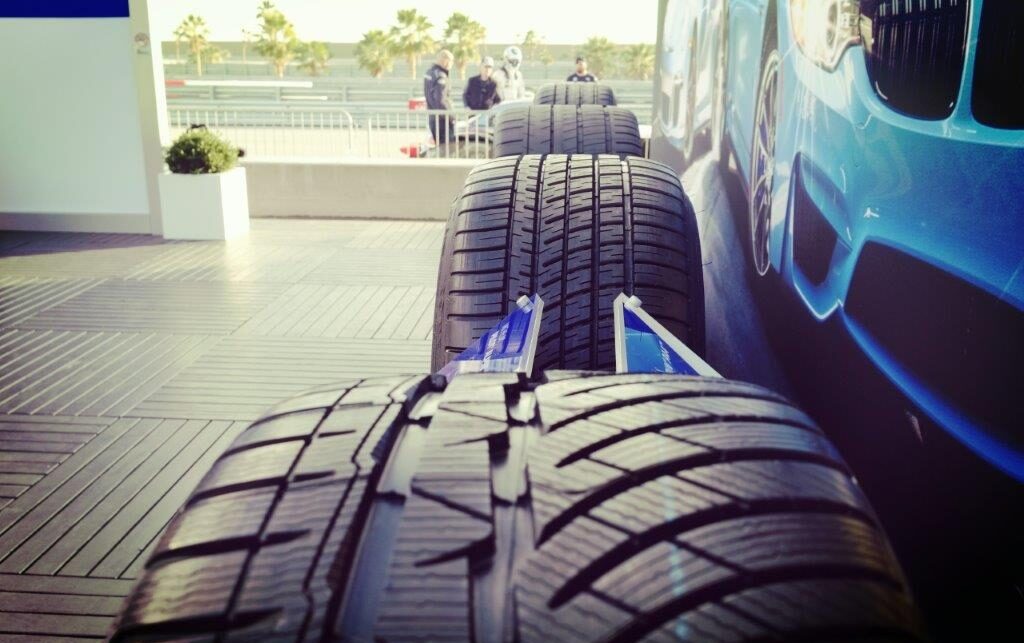
There are few things more fundamental to the automobile than the tire. Four patches of rubber roughly the size of your hand are all that connect a 4,000-pound machine to the pavement, which is why drivers have traditionally chosen tires based on some combination of grip, durability, weather, noise, price, and intended use. California would like to add another priority to that list: energy efficiency.
On August 19, 2026, the California Energy Commission moved forward with its Replacement Tire Efficiency Program, a sweeping set of regulations governing replacement tires sold in the state. The rulemaking docket now includes the Commission’s Resolution of Final EIR and Replacement Tire Efficiency Program, following months of proposals, amendments, public hearings, and comments from tire manufacturers, industry organizations, and enthusiasts.
The resulting regulations are complicated, and the internet has predictably boiled it down to “California is banning tires.” That isn’t quite what happened. California isn’t coming for the tires currently mounted on your Porsche. There is no new rolling-resistance checkpoint at the state line. Your next smog inspection won’t include putting your Michelin Pilot Sports on a laboratory drum.
But California is placing significant restrictions on which new replacement tires manufacturers and retailers can sell into the California market beginning with tires manufactured in 2029. Those restrictions become substantially tighter in 2033. For ordinary motorists, the transition could be nearly invisible. For enthusiasts, classic-car owners, off-roaders, and anyone who cares deeply about the rubber underneath their car, it deserves a closer look.
What California Tire Rules Are Actually Regulating
The California Energy Commission’s Replacement Tire Efficiency Program focuses primarily on rolling resistance.
Every tire flexes as it rolls. That deformation consumes energy. Reduce the amount of energy lost through the tire, and a gasoline-powered vehicle can travel farther on a gallon of fuel, while an EV can travel farther on a kilowatt-hour.
California’s underlying mandate actually dates to Assembly Bill 844, passed in 2003, which directed the CEC to create a program intended to make replacement tires sold in California at least as energy efficient, on average, as original-equipment tires. The Commission says its testing found OE tires generally outperforming replacement tires in efficiency. More than two decades later, that mandate has finally become a regulatory program.
The key word is sold. The regulation says a tire manufacturer, brand owner, or retailer may not “sell or offer for sale in California” covered replacement tires that exceed the applicable rolling-resistance limits. It does not establish a general prohibition against operating a vehicle equipped with a noncompliant tire. That’s an important distinction.
Nothing Dramatic Happens to Your Car on January 1, 2029
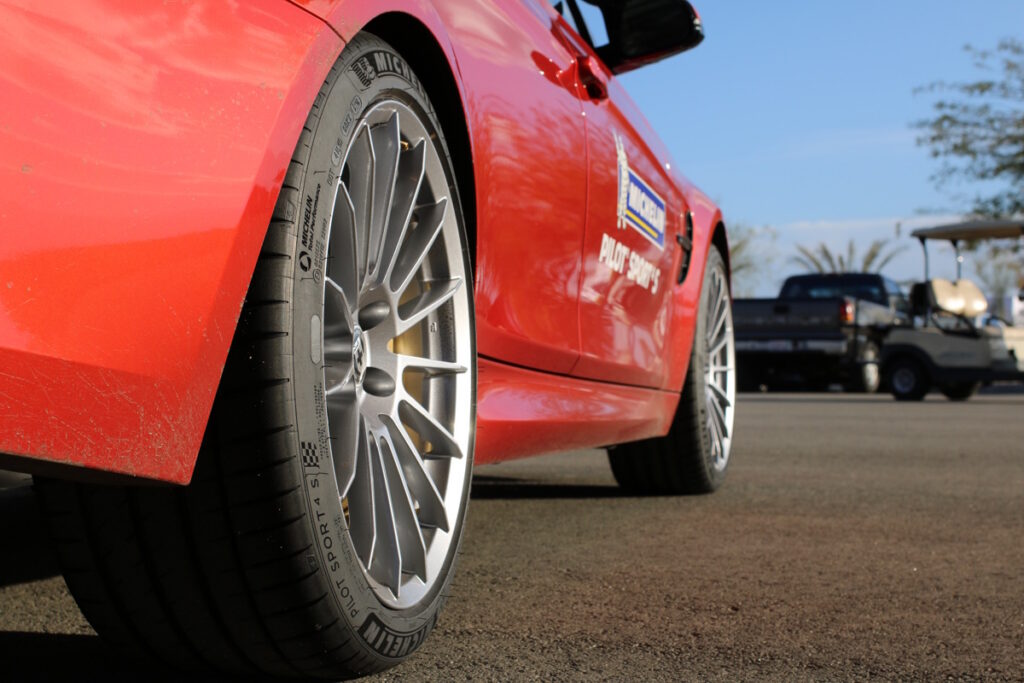
If you own a California-registered BMW M3 wearing a set of performance tires purchased in 2028, those tires don’t magically become illegal when the calendar turns to 2029. The regulation is tied to the manufacturing date of the replacement tire, not simply the date someone happens to be driving on it.
CEC’s July amendments specifically moved the first compliance date to tires manufactured on or after January 1, 2029, giving the industry additional time to prepare. There are then two principal stages. For a conventional covered replacement tire manufactured from January 1, 2029 through December 31, 2032, the maximum EU-correlated rolling resistance coefficient is 9.0 N/kN. Beginning with tires manufactured on January 1, 2033 and later, it drops to 7.1 N/kN. That second number is where things become much more interesting.
California Tire Rules: Not Every Tire Has to Meet 7.1
One detail frequently missing from the online discussions of the regulation is that California doesn’t impose one universal standard on every tire. Ultra-high-performance, ultra-long-life, run-flat and extended-mobility tires receive a higher allowance. They can reach 9.8 N/kN during the 2029-2032 period and 8.5 beginning in 2033.
- Long-life tires receive limits of 9.4 and then 7.8.
- Low-load-index tires receive 9.5 and then 7.6.
- Light-truck and commercial replacement tires receive 9.0 and then 7.8.
That’s significant. California has recognized, at least to some degree, that a performance tire intended for a sports car and a low-rolling-resistance tire fitted to a commuter aren’t necessarily trying to accomplish the same thing.
California Also Regulates Wet Grip
There’s an obvious problem with chasing tire efficiency at any cost: tires have another rather important job. Stopping the car. California therefore paired its efficiency requirement with a wet-grip standard.
For covered replacement tires manufactured on or after January 1, 2029, the relative wet-grip braking performance index generally cannot fall below 1.0. The regulation specifies standardized testing procedures for both passenger-car and light-truck tires.
The idea is sensible enough. Manufacturers shouldn’t be able to meet an energy target simply by producing a tire that rolls wonderfully but approaches a rain-soaked freeway with the enthusiasm of a hockey puck. Whether manufacturers can simultaneously optimize rolling resistance, grip, tread life, price, and enthusiast-level performance is where the debate gets more complicated.

The Enthusiast Exemptions Matter
Early versions of the proposal generated substantial pushback from the automotive and tire industries. The final rulemaking process consequently produced several exemptions that should provide relief for portions of the enthusiast market.
Among the important excluded or specially treated categories are competition tires, winter-type snow tires, all-season winter-performance tires, used tires, retreaded tires, certain off-road tires, motorcycle tires, temporary spares, and tires with a nominal rim diameter of 13 inches or less. The July amendments specifically expanded the small-wheel exclusion from 12 inches to 13 inches and added definitions for competition and large off-road tires.
That 13-inch exemption may sound quaint until you own a classic Mini, Sprite or another small vintage sports car. There is not, however, a blanket exemption simply because a vehicle is old. A 1960s Mustang running 15-inch wheels doesn’t automatically get a pass because Steve McQueen would have approved of it. The tire itself must comply or qualify under an applicable exemption.
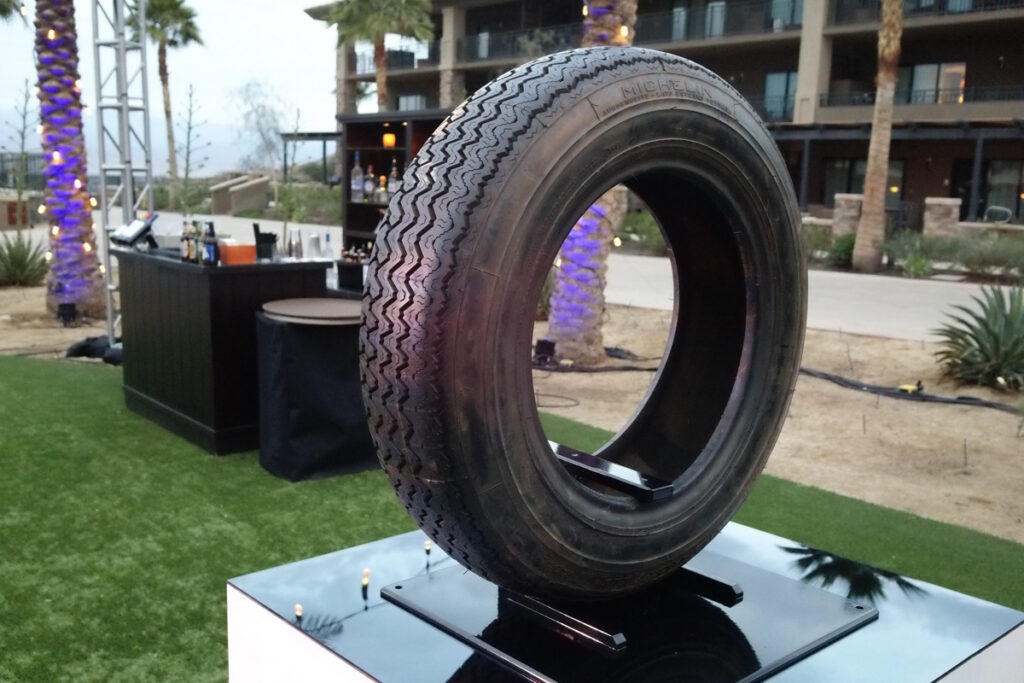
While mass-produced 15-inch tires might not get an exemption just because they are going on a classic, perhaps the most important provision for obscure classic cars is the limited-production category. The kind of tires you would order from Coker Tire for when you just have to have that factory look on your classic.
The regulations define a limited-production tire as having annual U.S. production or importation below 15,000 units, subject to detailed reporting requirements. Manufacturers and brand owners must provide information to the state’s tire database, and if production reaches or exceeds the threshold, the tire’s regulatory status can change. That could preserve access to unusual reproduction tires manufactured for classic European sports cars, vintage race cars, and other low-volume applications.
California also provides a “last resort tire” process when a compliant tire simply isn’t available in sufficient quantities for a particular vehicle. In other words, Sacramento has at least acknowledged that telling the owner of an obscure 50-year-old Italian car to simply buy the California-approved tire isn’t especially useful when no such tire exists.
Competition Tires Get Their Own Escape Route
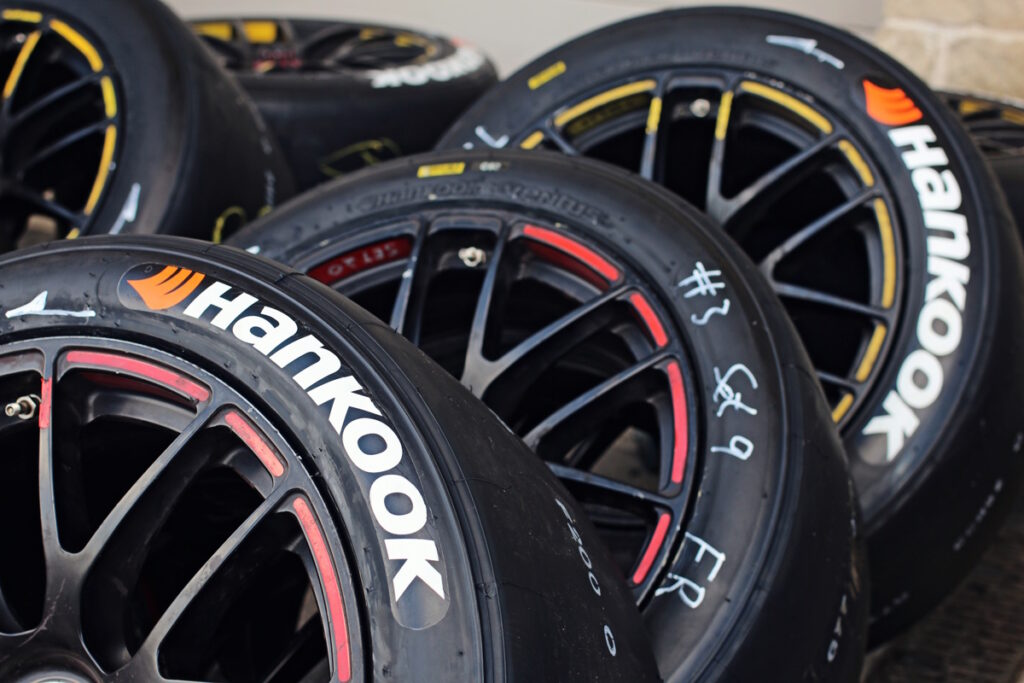
California also added a specific definition for competition tires following concerns about motorsports and track-day rubber. The classification considers factors including tread depth, speed rating, UTQG treadwear and tire classification. Tires satisfying the definition are excluded from the regulated replacement-tire category.
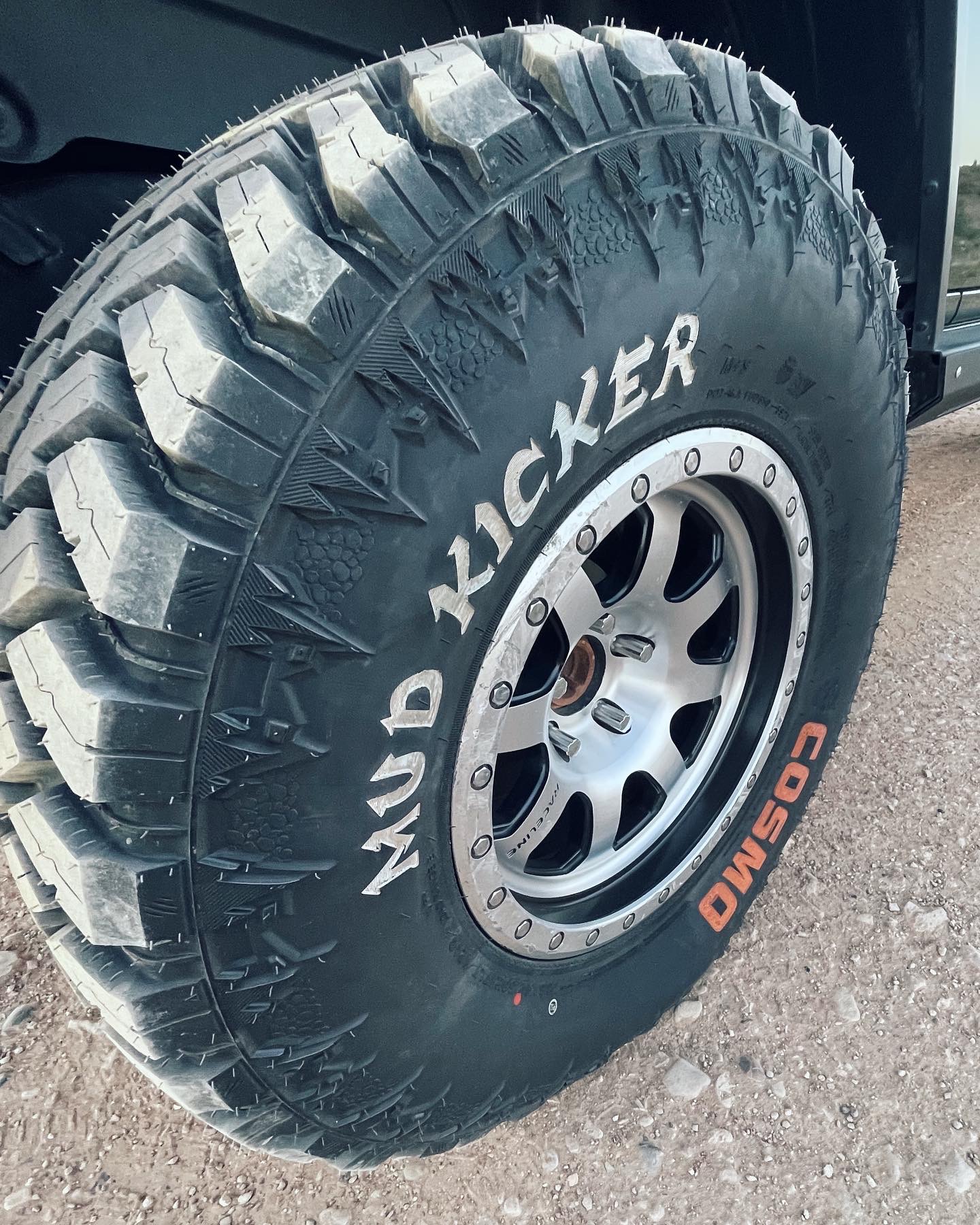
That’s important because the qualities that make a tire exceptional at Laguna Seca don’t necessarily make it exceptional in a laboratory test designed around energy consumption. Likewise, the amended regulations added a large off-road tire definition and exclusion, recognizing that a tire designed to claw through mud or crawl over rocks has priorities beyond extracting another fraction of a mile per gallon.
Will California Inspect the Tires on Your Car?
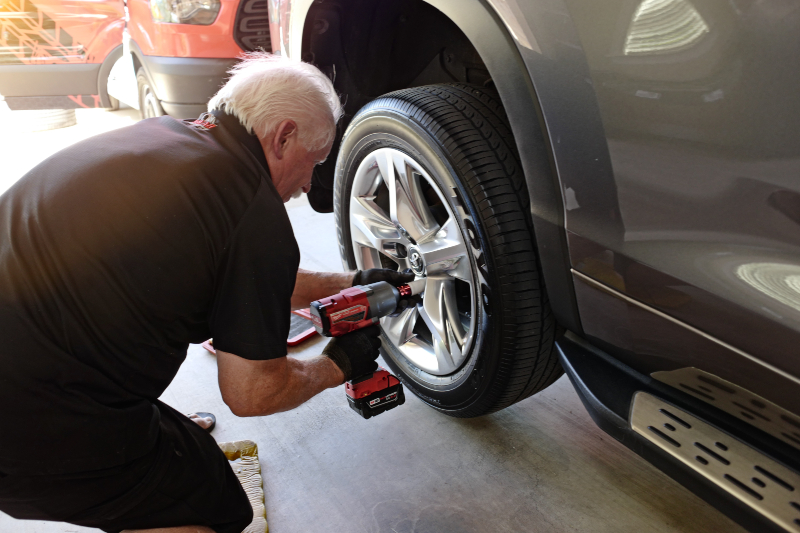
This is one of the biggest misconceptions surrounding the new rules. The Replacement Tire Efficiency Program does not create a periodic vehicle tire-efficiency inspection, which means you can still buy any tire you want; you just might need to drive to a neighboring state to pick them up or have a friend ship them to you.
California’s existing Vehicle Code does regulate tire safety. For example, Section 27465 establishes minimum tread-depth requirements for vehicles operated on public highways. California Highway Patrol also has authority to conduct certain mechanical and equipment inspections. But that’s different from the new California tire rules that are coming.
California’s familiar Smog Check program is an emissions inspection program. The current rules don’t add a rolling-resistance check to the Smog Check process. So there isn’t currently a provision under which an inspector looks up your tire model in California’s database and refuses to renew your registration because the tire exceeds the efficiency limit. The regulatory choke point is the sale, not the car.
What About Buying Tires Online?
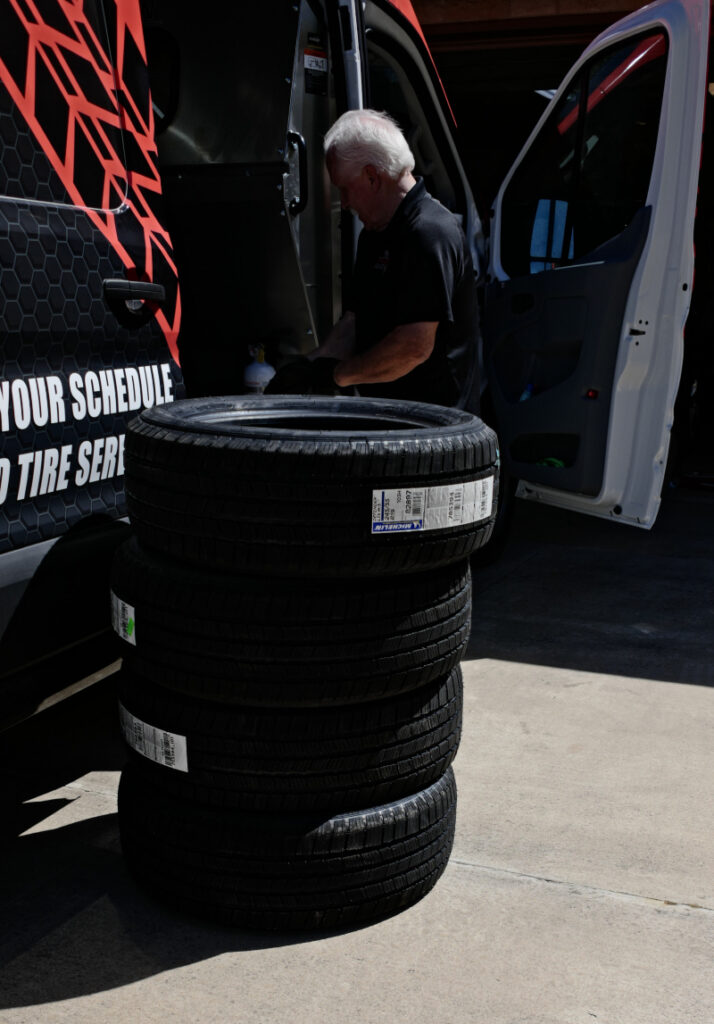
This is where California’s regulation becomes particularly aggressive. The rule expressly defines “sold or offered for sale in California” as a sale or offer involving a replacement or limited-production tire intended for end use in California regardless of the seller’s physical location. It specifically includes internet, telephone, and mail-order transactions.
That means a California consumer shouldn’t expect to simply order a prohibited tire from an online retailer headquartered in another state and have UPS drop four of them in the driveway. If the tires are sold for end use in California, the transaction is considered within the program’s reach.
Expect major online retailers to handle this in the simplest possible fashion: the shipping ZIP code will likely determine whether a particular tire can be ordered. The enthusiast of the future may encounter a message familiar to Californians who have attempted to order plenty of other products:
So what if you just drive to a neighboring state and buy tires? If you live in Sacramento and want a particular performance tire that doesn’t qualify for sale under California’s Phase 2 standards. You drive to Reno. You purchase the tires from a Nevada retailer, have them mounted on your car in Nevada, and drive back across the Sierra Nevada.
Based on the adopted language, there does not appear to be a provision that makes those tires illegal to possess or use in California solely because they don’t meet the RTEP efficiency requirement. The regulation prohibits covered noncompliant tires from being sold or offered for sale in California. Its definition reaches remote transactions intended for California end use, but the program isn’t structured as an in-use tire-efficiency law.
Of course, the tires would still have to comply with California’s normal laws governing safe tire condition, tread depth, and vehicle equipment. And California could amend its laws before 2029 or 2033. But under the currently published framework, there is no equivalent of an emissions rule that would make the vehicle itself illegal to operate because its tires fail an efficiency specification.
That could make Reno, Las Vegas, Phoenix and other border-region markets surprisingly interesting places for California performance-car owners if certain desirable tires disappear from California retailers.
Does That Violate the Interstate Commerce Clause?
This has been a favorite among TikTok lawyers who claim that preventing someone from buying DOT Hoosiers from another state violates interstate commerce. The obvious legal question is whether California can tell an online tire company located in Texas, Ohio, or Florida what it may ship to a customer in California. Potentially controversial? Certainly. Unconstitutional? No.
States routinely establish product requirements for goods sold within their borders. California’s rule also applies to manufacturers and retailers without facially distinguishing between California businesses and out-of-state businesses. That makes a straightforward Dormant Commerce Clause challenge more difficult than it might first appear.
The U.S. Supreme Court’s 2023 decision in National Pork Producers Council v. Ross is particularly relevant. That case involved California’s Proposition 12, which imposed requirements on pork sold in California even though much of that pork was produced outside the state. The Supreme Court rejected the broad argument that California’s law was unconstitutional simply because compliance affected out-of-state producers.
The tire industry could still pursue constitutional or statutory challenges, and federal preemption could present a separate legal question because tires are already subject to federal motor-vehicle safety standards. But “this product crossed state lines” by itself doesn’t make California’s regulation unconstitutional. The much more provocative legal question would arise if California attempted to regulate a genuinely out-of-state retail transaction, such as a California resident walking into a Nevada store and buying tires there. The current regulation doesn’t appear to need that fight because its enforcement structure focuses on the California market.
California’s Tire Database
The regulation also creates an approved-tire database. Manufacturers and brand owners will submit information on tire models, performance efficiency, and other characteristics. California can inspect tires being sold or offered for sale in the state and test them to determine whether they actually conform to their reported specifications.
That database could eventually become one of the most consequential parts of the program. Rather than a police officer crawling underneath your Porsche with a rolling-resistance meter, compliance happens farther upstream. Manufacturers certify tires, California maintains the database, distributors stock approved products, and retailers sell from the resulting catalog. The consumer simply discovers that certain choices are no longer available.
The California Energy Commission estimates that tire efficiency has a meaningful effect on overall vehicle energy consumption.
Its 2026 analysis projected that the proposed standards could save California drivers approximately $979 million annually in fuel costs by 2035 while reducing greenhouse-gas emissions by approximately 2 million metric tons of CO2 equivalent. California’s position is essentially that millions of small reductions in rolling resistance add up to substantial statewide energy savings.
That’s mathematically plausible. The more difficult question is what consumers give up in exchange.
The Real Question Is Choice
The problem with discussing tires purely as an efficiency device is that enthusiasts don’t buy tires purely to reduce energy consumption. A sports-car owner might prioritize steering response and dry grip.
Someone in Northern California might need winter capability. A Jeep owner might need off-road traction. A long-distance driver might care most about tread life. A collector might simply need a 165-section tire that looks remotely appropriate underneath a car designed when Lyndon Johnson was president. And plenty of consumers simply need four safe tires they can afford.
California’s final regulations are far more accommodating of those realities than some of the earlier proposals. The exemptions for competition, winter, off-road, small-diameter, and limited-production tires are meaningful, but the bigger test comes in 2033.
A 7.1 N/kN standard for ordinary passenger-car replacement tires is significantly more demanding than the initial 2029 requirement. Manufacturers now have years to develop products around it, so comparing today’s tire catalog directly against a standard that won’t arrive until the next decade can exaggerate the number of products that will ultimately disappear.
Tire companies aren’t going to spend the next seven years doing nothing. But regulation has consequences. Some products will be redesigned. Some may become more expensive. Some may qualify under specialty categories. Some low-volume products may remain available through exemptions. And some tires that enthusiasts currently love could simply cease to be offered in California.
What the California Tire Rules Actually Mean
California has not banned performance tires. It has not made existing tires illegal. It has not created a tire-efficiency component for the state’s Smog Check program. And it isn’t going to start pulling cars off the road in 2029 because their tires have too much rolling resistance.
What California has done is create an unusually comprehensive regulatory system governing which newly manufactured replacement tires can be sold into its market. The first major standards apply to covered tires manufactured beginning in 2029. The much tougher second phase begins in 2033. Internet and mail-order sales intended for use in California are expressly included. Competition tires, certain off-road tires, 13-inch-and-smaller tires, limited-production tires and several other categories receive exclusions or special treatment.
The main point is that the regulation governs commerce rather than imposing an in-use efficiency requirement on every car on California roads. So the future California enthusiast may find himself unable to have a certain tire shipped from an online retailer to his house, while apparently remaining free under the regulations to drive across the state line, buy that same tire in Nevada, and drive home on it. If that sounds like an oddly complicated way to regulate four pieces of rubber, welcome to California.
Quick Facts: California Replacement Tire Efficiency Rules
- Program: California Replacement Tire Efficiency Program (RTEP)
- Regulator: California Energy Commission
- Original legislative mandate: Assembly Bill 844, enacted in 2003
- First major compliance date: January 1, 2029, based on tire manufacture date
- Phase 2: January 1, 2033
- General 2029-2032 rolling-resistance limit: 9.0 N/kN
- General 2033 limit: 7.1 N/kN
- Ultra-high-performance/run-flat 2033 limit: 8.5 N/kN
- Light-truck/commercial 2033 limit: 7.8 N/kN
- Minimum wet-grip index for most covered tires: 1.0
- Online/mail-order sales: Covered when the tire is sold for end use in California
- Existing tires already on vehicles: Not made illegal by RTEP
- Vehicle inspection: No RTEP tire-efficiency inspection requirement established
- Out-of-state purchase: RTEP does not currently establish a general prohibition on operating a California vehicle on an otherwise legal tire genuinely purchased outside California
- Notable specialty provisions: Competition tires, certain off-road tires, winter-related categories, tires for rims 13 inches or smaller and qualifying limited-production tires receive exclusions or special treatment
- Limited-production threshold: Generally fewer than 15,000 units annually under the regulatory definition
Frequently Asked Questions
Is California banning performance tires in 2029?
No. California is establishing rolling-resistance and wet-grip requirements for covered replacement tires manufactured beginning in 2029 and sold or offered for sale in California. Ultra-high-performance tires receive a separate, less restrictive rolling-resistance standard, and qualifying competition tires are excluded from the replacement-tire definition.
Will my existing tires become illegal in 2029?
No. The RTEP regulates covered replacement tires sold into California and applies its performance standards according to tire manufacture dates. It does not create a general prohibition on continuing to use otherwise legal tires already installed on a vehicle.
Will tire efficiency be checked during California Smog Check?
No. The RTEP does not currently add rolling-resistance compliance to California’s Smog Check program. Existing tire safety and tread-depth laws remain separate.
Can I order a noncompliant tire online from another state?
Not simply because the seller is located elsewhere. California expressly defines sales for end use in the state to include internet, telephone and mail-order transactions regardless of the seller’s physical location.
Can a California resident buy tires in Nevada?
A genuine Nevada retail purchase presents a different situation. The current RTEP regulates sales and offers for sale in California and does not establish a general prohibition on possession or use of non-RTEP tires. However, this area could be affected by future amendments, enforcement interpretations or litigation.
Can I drive back into California on tires purchased in Nevada?
Under the current RTEP framework, there does not appear to be an efficiency-based vehicle-use prohibition that makes an otherwise legal tire illegal merely because the vehicle crosses into California. Normal California tire safety laws still apply.
Are racing tires exempt?
Qualifying competition tires are excluded under the regulation’s definition of replacement tires. The regulatory definition uses specific criteria, so simply calling a tire a “track tire” does not necessarily make it exempt.
Are classic-car tires exempt?
There is no universal classic-car exemption. However, tires with nominal rim diameters of 13 inches or less are excluded, and low-volume specialty tires may qualify under limited-production provisions. A last-resort exemption process also exists for applications where suitable compliant tires aren’t sufficiently available.
Are off-road tires exempt?
Certain qualifying large off-road tires are excluded, but not every aggressive all-terrain or mud-terrain tire automatically qualifies. The tire has to satisfy the applicable regulatory definition.
What changes in 2033?
The general passenger-car rolling-resistance ceiling drops from 9.0 N/kN to 7.1 N/kN. Other tire categories also receive stricter Phase 2 limits. This is likely to be the more consequential stage for tire manufacturers and consumers.
Could the regulation be challenged in court?
Yes. Industry participants could challenge aspects of the program on statutory, constitutional or federal-preemption grounds. However, California generally has considerable authority to regulate products sold within the state, and a Dormant Commerce Clause challenge isn’t automatically successful merely because compliance affects companies outside California.



















I just dont understand why we allow CA to govern the us. It they want all these crazy rules, then they should pay the price. We should not be dictated to by people to cause us to pay more.
How many of you really read all those crazy CA cancer tags on everything? Yet we all pay the price.
More of the same from the People’s Republic of California.