

 TGR Staff
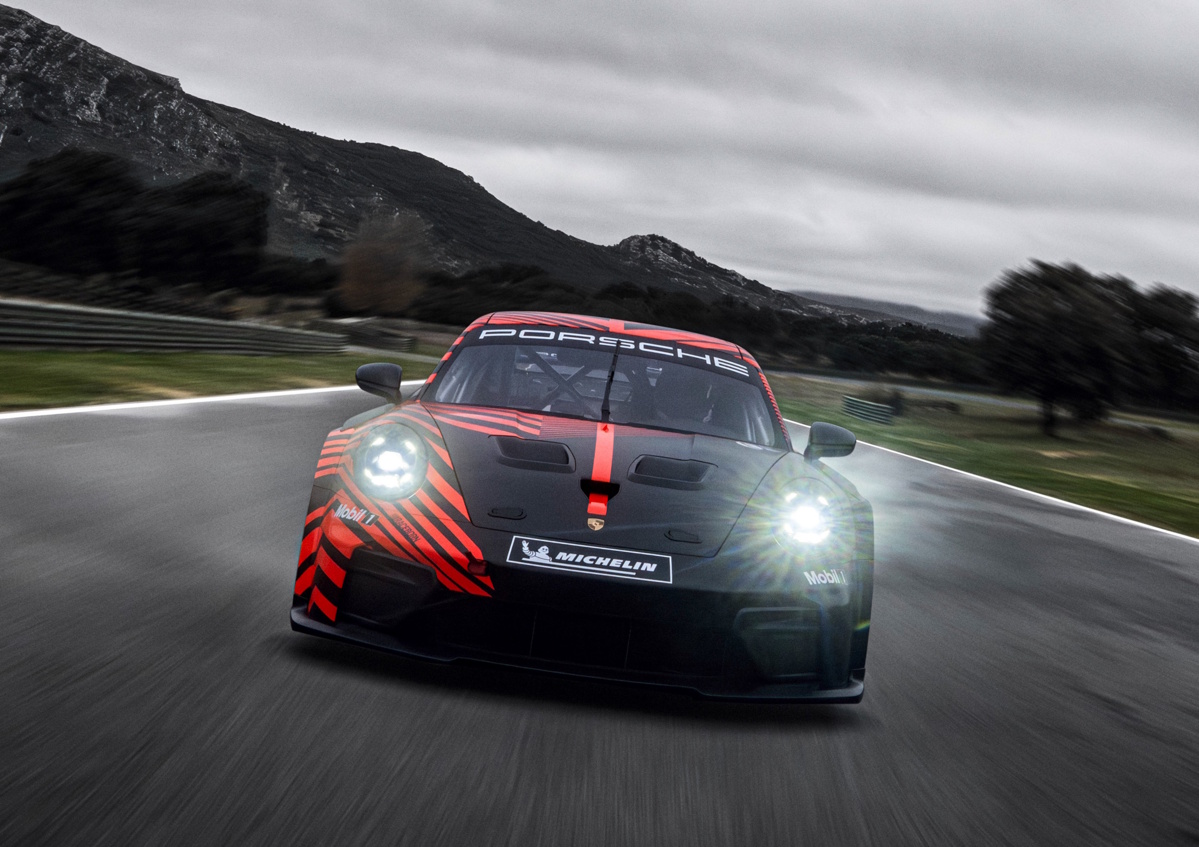
Porsche has spent decades building one of the most complete customer racing ladders in motorsport, but its latest move may be one of the most important in years. The company has unveiled the new Porsche 911 GT4 R, a customer race car designed for global GT4 competition and, for the first time, built on the 911 platform.
That last detail is the headline. Porsche has been wildly successful in GT4 with the Cayman-based Clubsport cars, but the new 911 GT4 R shifts the category into familiar rear-engine territory. For customers, teams, and drivers working their way through the Porsche Motorsport system, it creates a more unified ladder built around one of the most recognizable racing platforms in the world.
The 911 GT4 R is scheduled to make its racing debut in the 2027 motorsport season. In North America, Porsche expects the car to compete in series such as the IMSA Michelin Pilot Challenge and SRO Pirelli GT4 America, two of the most competitive GT4 arenas on this side of the Atlantic.
The price is set at $375,500, including import and delivery to the United States. No, that does not include a tire budget, entry fees, crew radios, damage bills, or the emotional support required after your first multi-car GT4 restart. Racing remains undefeated in finding new ways to invoke enthusiasm.
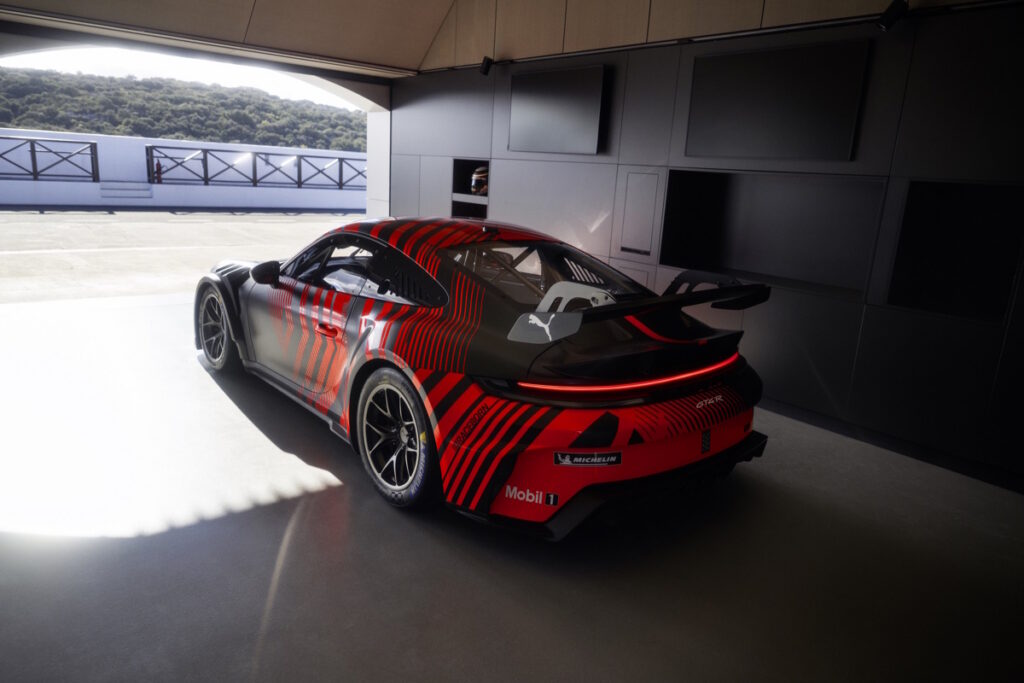
A New Step In Porsche Customer Racing
The global GT4 category has become a major piece of modern sports car racing. It offers production-based machinery, strong manufacturer involvement, and a more approachable cost structure than GT3. That combination has made it attractive to gentleman drivers, young professionals, private teams, and manufacturers looking to build customer racing programs.
Porsche entered the GT4 category in 2016 and has since produced more than 1,500 Cayman-based race cars for the class. In North America, Porsche GT4 drivers and teams have built a strong record in both IMSA and SRO competition, including multiple driver championships and a sweep of the 2025 IMSA GT4 manufacturer, driver, and team titles.
The new 911 GT4 R does not replace that history as much as it reframes Porsche’s next chapter in the category. By moving to the 911 platform, Porsche is giving drivers a clearer path from its one-make series into open GT4 competition and eventually toward GT3 racing.
That is important because Porsche’s customer motorsport ladder has always worked best when it feels logical. A driver can enter Porsche Sprint Trophy PCA, move into Porsche Sprint Challenge North America, progress to Porsche Carrera Cup North America, and then step into open competition in IMSA or SRO. With the new GT4 R, more of that ladder now runs through variations of the 911.
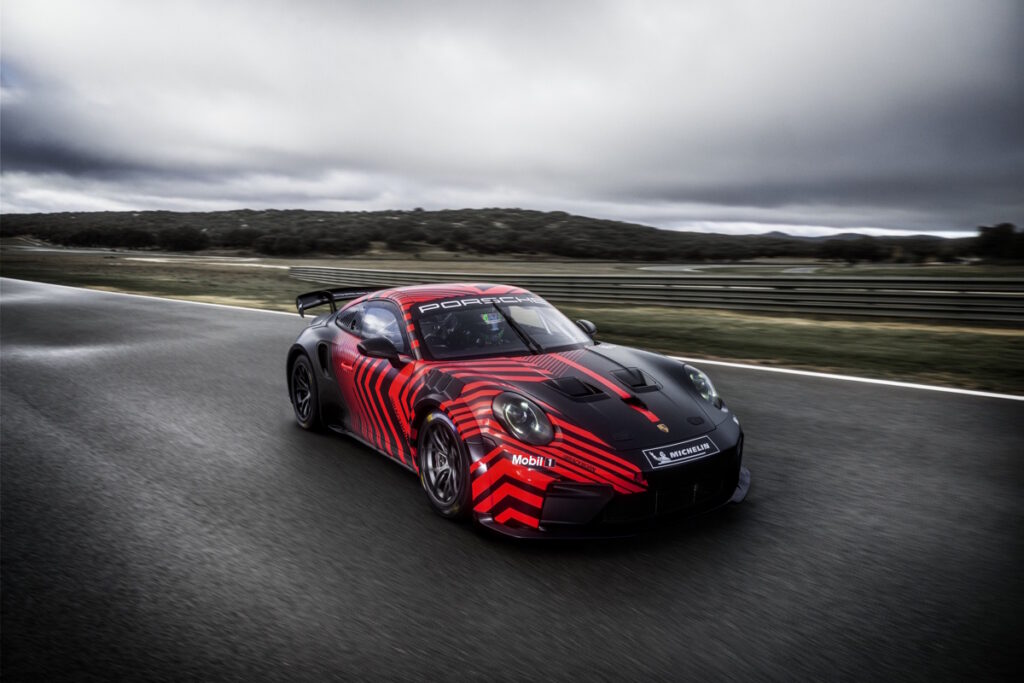
Powered By The 911 Cup
The new 911 GT4 R draws heavily from the current Porsche 911 Cup, which itself is based on the road-going Type 992.2 911 GT3. Power comes from a high-revving, naturally aspirated 4.0-liter six-cylinder boxer engine, a motorsport version of the engine family used in the 911 GT3 and 911 Cup.
In unrestricted form, Porsche says the engine can deliver up to 520 PS, or 382 kW, with maximum torque of up to 346 lb-ft. Like all GT4 cars, real-world output depends on Balance of Performance regulations. Porsche says the 911 GT4 R is delivered from the factory with 53.7-millimeter air restrictors that reduce output to 430 PS, or 316 kW, depending on series rules and classification.
Power is sent through a sequential six-speed dog-ring gearbox operated by paddle shifters. The car also uses a four-disc racing clutch, further underlining that this is not a street car with a roll cage and a bad attitude. This is a proper customer race car built to fit within global GT4 regulations.
Chassis And Setup
While the 911 GT4 R shares technical DNA with the 911 Cup, Porsche had to adapt the car for GT4 rules. The wheels are one inch narrower than those of the 911 Cup, and instead of center-lock wheels, the GT4 R uses a five-bolt mounting pattern. That is a practical choice for GT4 racing, where running costs, serviceability, and regulation compliance matter.
The car uses dual-adjustable dampers and three selectable spring rates, allowing teams to fine-tune the chassis for different tracks, drivers, and weather conditions. Porsche says the new car offers wider front and rear track widths compared with the previous Cayman-based Clubsport models, along with updated motorsport electronics.
Those changes are aimed at improving lap times, drivability, and stability. In GT4, outright power is only part of the equation. The best cars are the ones amateur and professional drivers can both lean on across a long stint. Porsche knows this better than most. Their customer cars are often praised not just because they are fast, but because they are predictable, durable, and supported by a serious motorsport infrastructure.
Aero, Bodywork, And Natural Fiber Materials
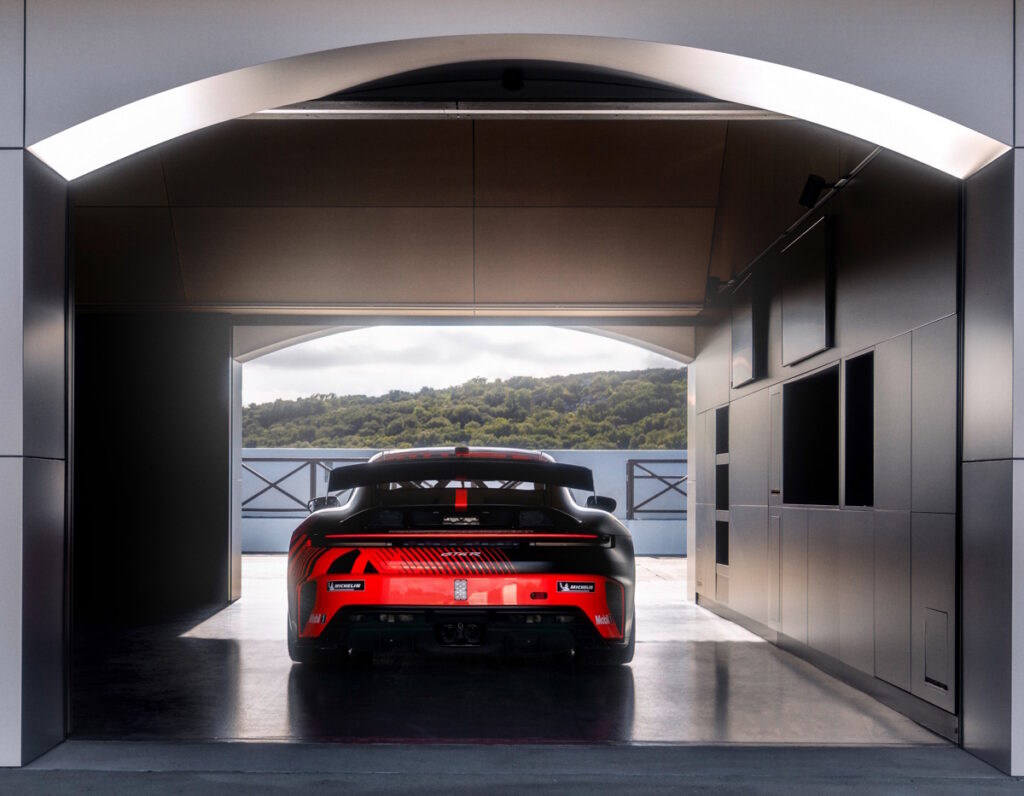
The 911 GT4 R adopts key body structures from the 911 Cup and uses targeted aerodynamic development. The rear wing is manually adjustable across 11 positions, giving teams a broad setup window for circuits that range from high-speed tracks to tighter, more technical layouts.
Porsche also makes extensive use of natural-fiber-reinforced plastic combined with epoxy resin. Components such as the doors, engine cover, aerodynamic parts, and selected cockpit pieces are made using this material. It is a forward-looking detail in a category where weight, cost, durability, and sustainability are all increasingly part of the engineering conversation.
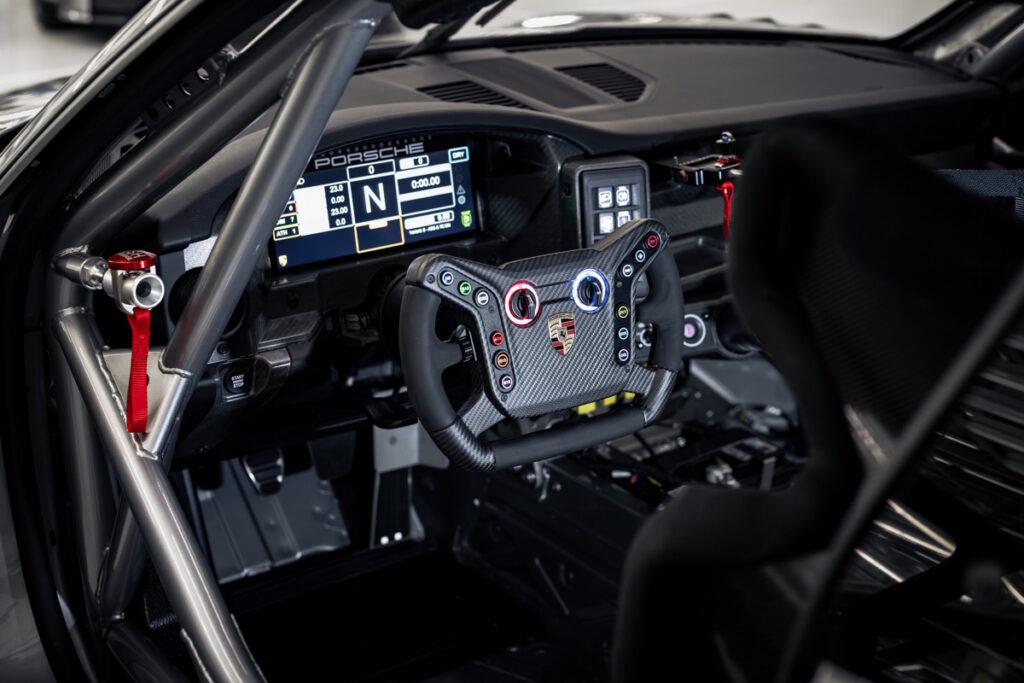
Inside, the cockpit is appropriately businesslike. The driver gets information through a 10.3-inch color display, while an integrated data logger and GPS system help teams analyze performance. Ballast components allow the car to be adjusted to meet Balance of Performance weight requirements.
This is where modern customer racing has changed dramatically. A private team today expects professional-level data, adjustability, and support. The 911 GT4 R is built for that world, where the difference between a mid-pack finish and a podium can come down to setup discipline as much as bravery in Turn 1.
For Porsche, the 911 GT4 R is more than another customer car. It is a strategic move. GT4 has grown from an entry-level category into a serious global racing platform, and Porsche is treating it accordingly.
The shift to a 911-based car gives Porsche a more cohesive competition ladder. Drivers who learn the habits of the 911 in one-make competition can carry that experience into GT4, then potentially into GT3. Teams can also benefit from shared knowledge across platforms, especially in markets like North America where Porsche one-make racing and open GT competition both have strong followings.
There is also the emotional side. A Porsche race car based on a 911 simply feels right. The Cayman was an excellent GT4 platform, and in many ways, its mid-engine balance made obvious sense. But the 911 carries the weight of Porsche’s racing identity. Putting it into GT4 connects the class to everything from club racing paddocks to endurance racing history.
The 911 GT4 R may not be the fastest Porsche customer race car. It is not meant to be. That role belongs higher up the pyramid. But for the driver or team looking for a serious global GT4 machine with a direct connection to Porsche’s most famous platform, this new car could become one of the most important entries in the 2027 paddock.
North American Competition
In North America, the Porsche 911 GT4 R is expected to race in IMSA Michelin Pilot Challenge and SRO Pirelli GT4 America. Those championships have become proving grounds for factory-supported customer programs, professional-amateur driver lineups, and rising talent.
The current GT4 field is crowded with competitive machinery from brands such as BMW, Aston Martin, Toyota, McLaren, Mercedes-AMG, Ford, and Chevrolet. Porsche is not entering a quiet room. It is walking into a bar fight with timing sheets.
That makes the 911 GT4 R especially interesting. Porsche customer teams already know how to win in GT4. The question is how quickly the new 911-based platform can match or surpass the success of the Cayman-based cars. Given Porsche’s record in customer racing, betting against them feels unwise and historically expensive.
A New 911 For The Motorsport Ladder
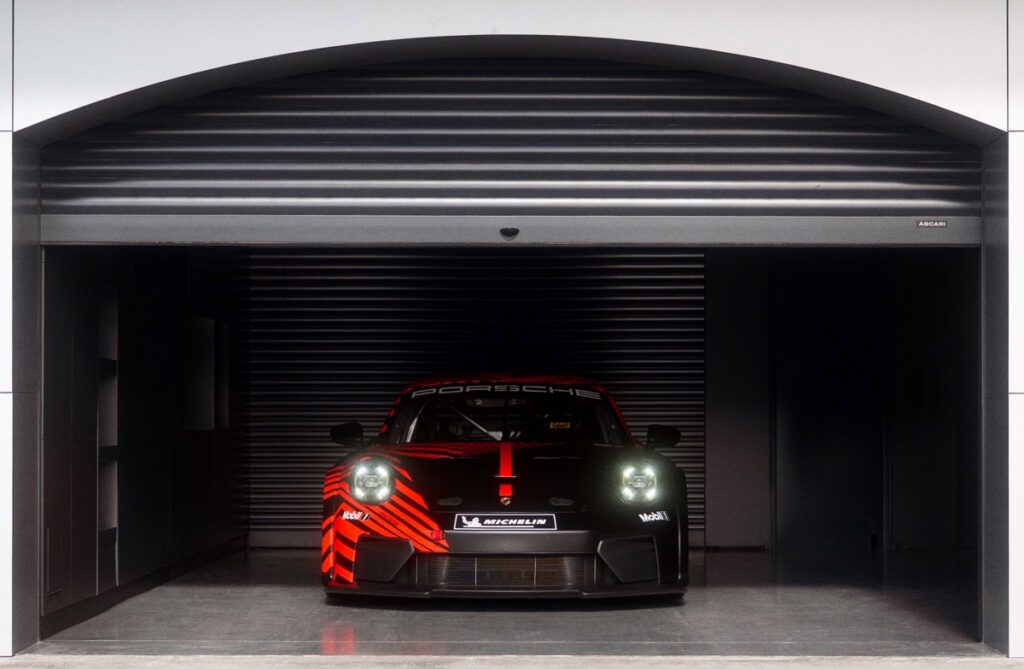
Porsche says the 911 GT4 R allows drivers to begin in Porsche one-make competition and progress through the Porsche Motorsport pyramid to open competition on a single 911 platform. That is the core idea.
A young driver, gentleman racer, or ambitious customer team can now imagine a cleaner path through the Porsche ecosystem. Start in Porsche Sprint Trophy PCA or Sprint Challenge, move into Carrera Cup, then take on GT4 competition in IMSA or SRO, all while staying within the broader 911 family. From there, GT3 competition becomes the next mountain.
That may sound like a narrow customer path, but in motorsport, familiarity matters. Drivers learn weight transfer, braking behavior, rear traction, steering response, and the particular rhythm of a platform. Teams learn service routines, setup logic, and parts strategies. Porsche has built an empire around that kind of continuity.
The new 911 GT4 R is not just another race car. It is a bridge between Porsche’s one-make racing tradition and the increasingly serious world of global GT4 competition. For 2027, that bridge will be shaped like a 911.
Quick Facts
- Vehicle: Porsche 911 GT4 R
- Category: Global GT4 customer race car
- Platform: 911, based on the Type 992.2 911 GT3 and related to the 911 Cup
- Engine: 4.0-liter six-cylinder boxer
- Maximum Output: Up to 520 PS, or 382 kW
- Maximum Torque: Up to 346 lb-ft
- Factory Restricted Output: 430 PS, or 316 kW, with 53.7 mm air restrictors
- Transmission: Sequential six-speed dog-ring gearbox with paddle shifters
- Clutch: Four-disc racing clutch
- Rear Wing: Manually adjustable, 11 positions
- Display: 10.3-inch color cockpit display
- U.S. Price: $375,500, including import and delivery
- Race Debut: 2027 motorsport season
- Expected North American Series: IMSA Michelin Pilot Challenge and SRO Pirelli GT4 America
- Key Significance: First Porsche global GT4 car based on the 911 platform
FAQ
What is the Porsche 911 GT4 R?
The Porsche 911 GT4 R is a new customer race car designed for global GT4 competition. It is the first Porsche GT4 race car built on the 911 platform.
When will the Porsche 911 GT4 R race?
The Porsche 911 GT4 R is scheduled to make its racing debut during the 2027 motorsport season.
How much does the Porsche 911 GT4 R cost?
The U.S. price is $375,500, including import and delivery.
What engine does the Porsche 911 GT4 R use?
The 911 GT4 R uses a high-revving 4.0-liter six-cylinder boxer engine based on the unit used in the Porsche 911 GT3 and 911 Cup.
How much power does the Porsche 911 GT4 R make?
Porsche says the engine can produce up to 520 PS, or 382 kW. Under GT4 Balance of Performance rules, output can vary. The car is delivered from the factory with restrictors that reduce output to 430 PS, or 316 kW.
Is the Porsche 911 GT4 R road legal?
No. The Porsche 911 GT4 R is a purpose-built race car for customer motorsport and is not intended for road use.
What series will the Porsche 911 GT4 R compete in?
In North America, Porsche expects the 911 GT4 R to compete in IMSA Michelin Pilot Challenge and SRO Pirelli GT4 America, among other GT4 championships globally.
How is the 911 GT4 R different from the 911 Cup?
The 911 GT4 R is closely related to the 911 Cup but is adapted for GT4 regulations. It uses narrower wheels, a five-bolt wheel mounting pattern instead of center locks, GT4-specific chassis requirements, Balance of Performance adjustments, and series-specific equipment.
Why is the 911 GT4 R important?
The 911 GT4 R gives Porsche customer drivers a clearer path from one-make racing into open GT4 competition using the 911 platform. It also expands Porsche’s GT4 program beyond the Cayman-based cars that have been successful since 2016.
What materials are used in the Porsche 911 GT4 R bodywork?
Porsche uses natural-fiber-reinforced plastic with epoxy resin for several components, including the doors, engine cover, aerodynamic parts, and selected cockpit pieces.









I’ll take two please!
This is what Toyota should be doing.