
 Michael Satterfield
Photos by Erik Bonney, Michael Satterfield, and Lucas Kepner
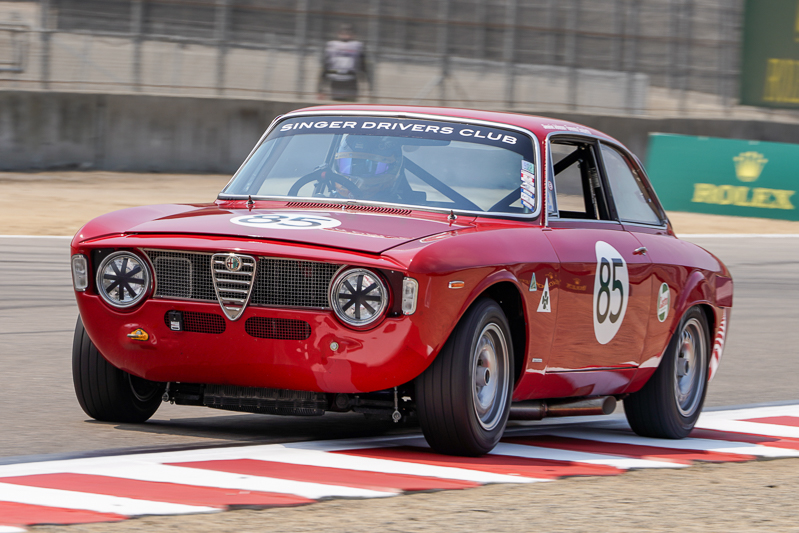
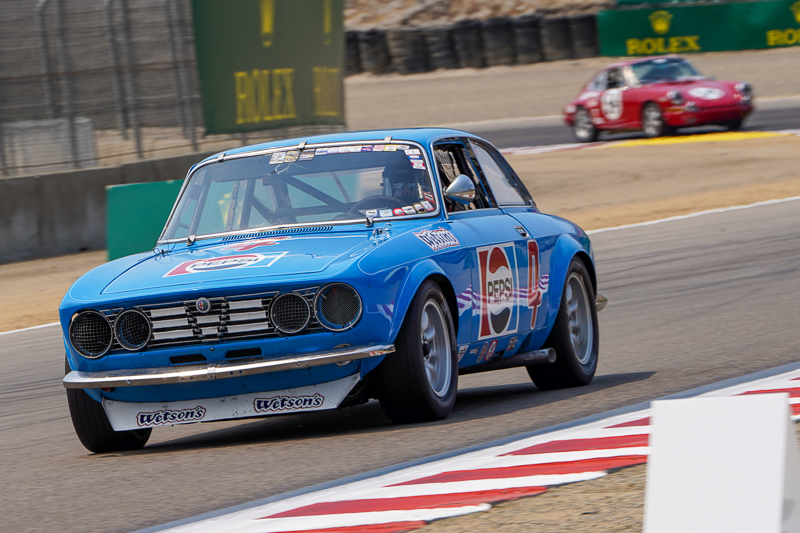
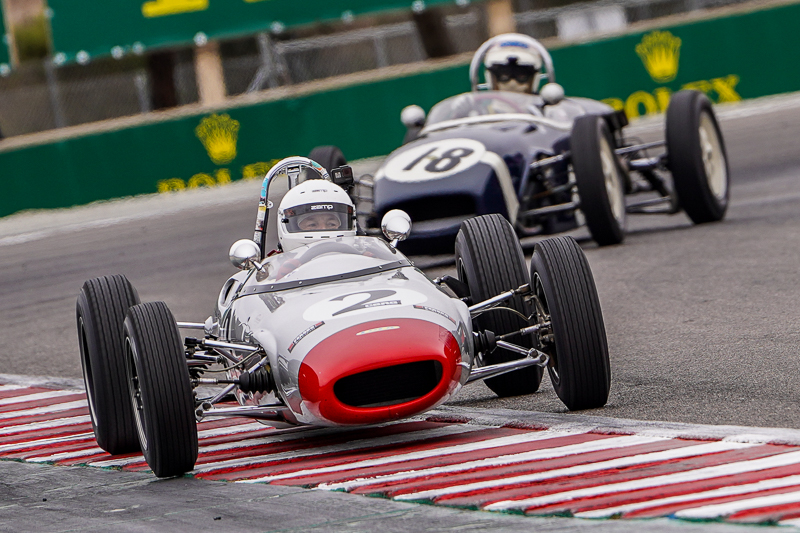
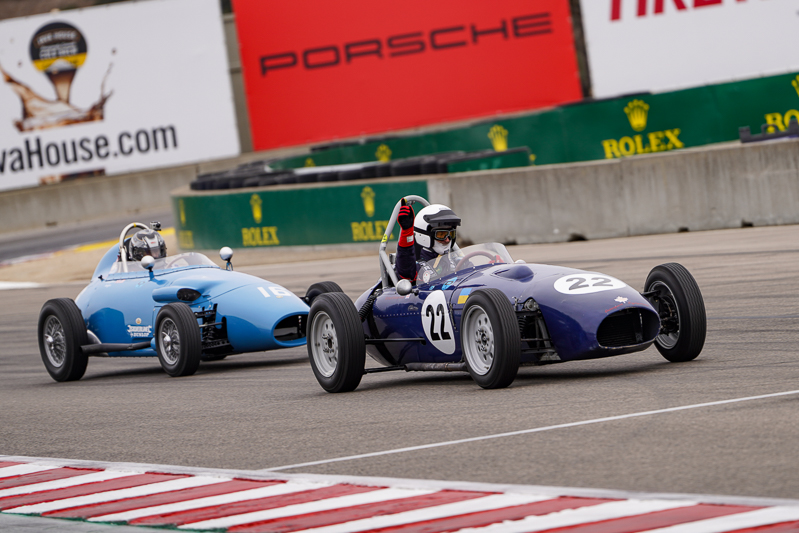
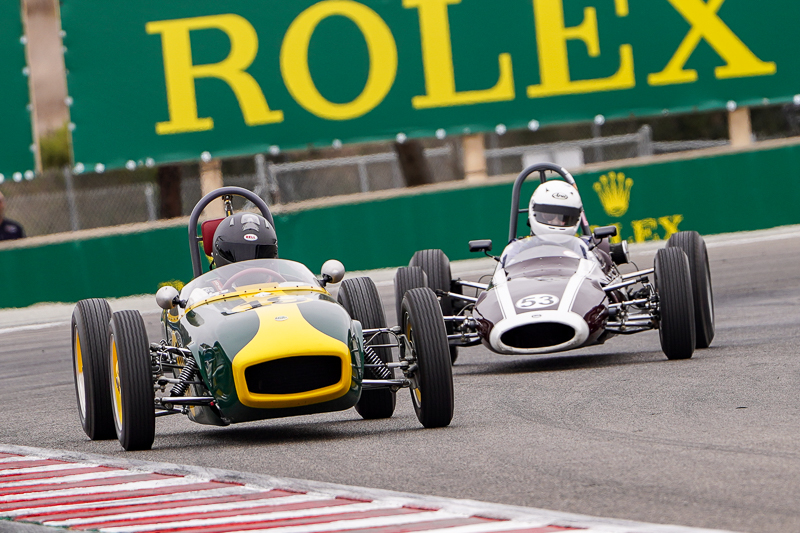
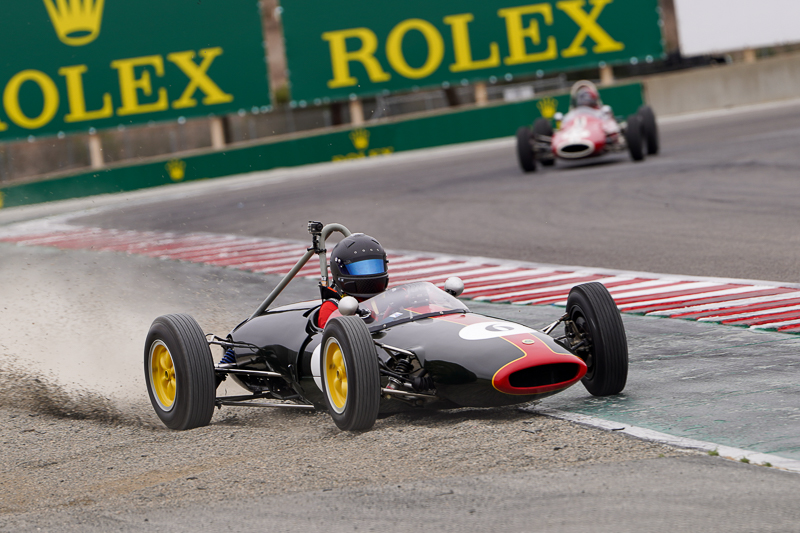
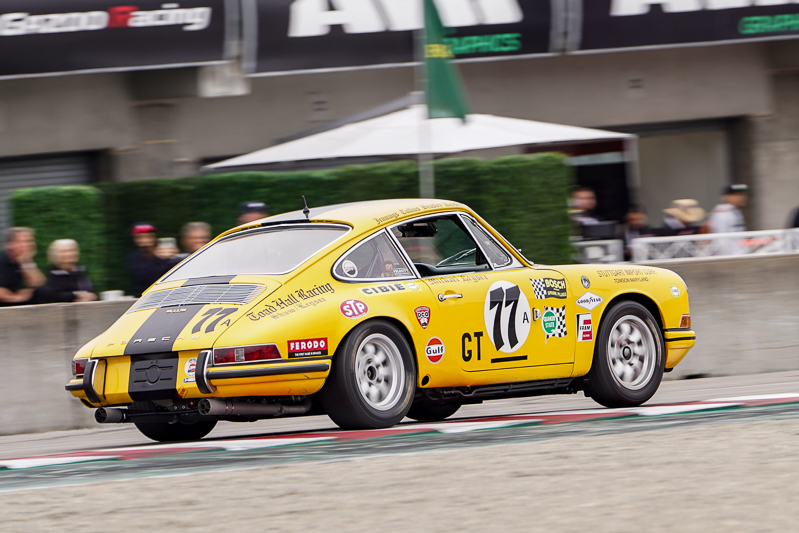
There are plenty of places during Monterey Car Week where a historic racing car can spend its afternoon sitting politely on a lawn. But Laguna Seca is not one of them; the iconic racetrack is where spectators can see what these vehicles were designed for, with all the glorious noise, smell of fuel and rubber, and the thrill of watching millions of dollars dance through the famous corkscrew.
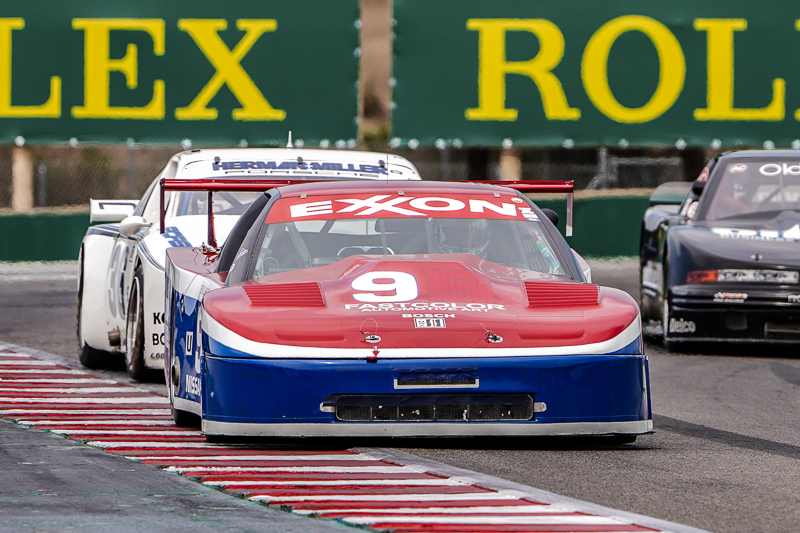
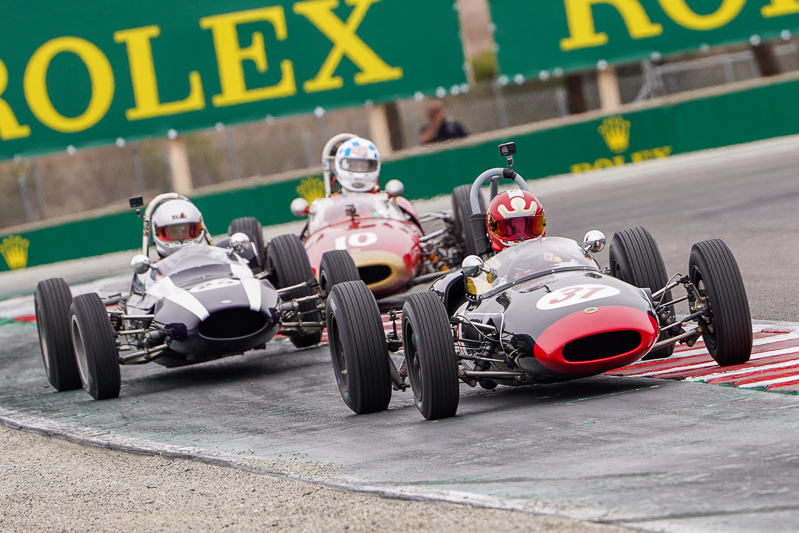
For four days, August 12 through 15, WeatherTech Raceway Laguna Seca once again became the loudest history lesson on the Monterey Peninsula, filling its 2.238 miles with everything from Pebble Beach-era specials to Can-Am monsters, Trans-Am sedans, IMSA GTP prototypes and IROC machines.
For its 52nd running, the Rolex Monterey Motorsports Reunion turned its attention to the Icons of Japanese Motorsport, giving the racing machines of Mazda, Nissan, Toyota, Honda, Acura and the country’s other great marques the kind of historical treatment traditionally reserved for Ferrari, Porsche, Ford or Mercedes-Benz. It was overdue, and Laguna Seca was perhaps the perfect place to make the case.
Japanese manufacturers did not simply arrive in international racing and imitate what already existed. They developed rotary-powered Le Mans winners, turbocharged IMSA weapons, championship Formula 1 engines, nearly indestructible rally cars, giant-killing sedans and motorcycles that altered Grand Prix racing forever. For one weekend in Monterey, that entire history seemed to show up at once.
Rolex Monterey Motorsports Reunion: Japan’s Racing History Gets Its Due
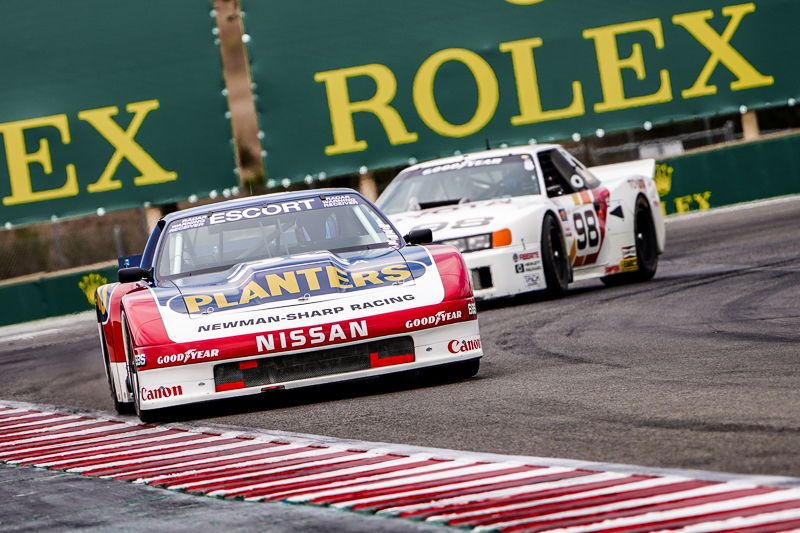
The centerpiece was an enormous Japanese heritage collection, planned around more than 40 historic race cars and two dozen motorcycles. Among the headliners were two cars that changed Japanese motorsport history: the 1991 Mazda 787B, the first Japanese car to win the 24 Hours of Le Mans overall, and the 2018 Toyota TS050 Hybrid that delivered Toyota its first overall Le Mans victory.
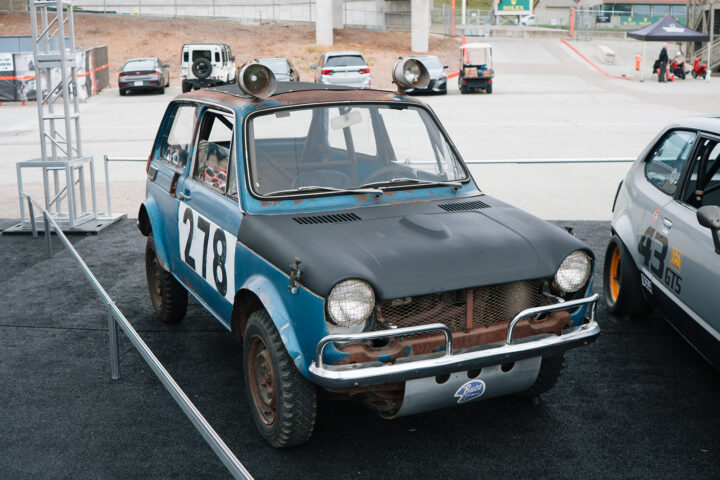
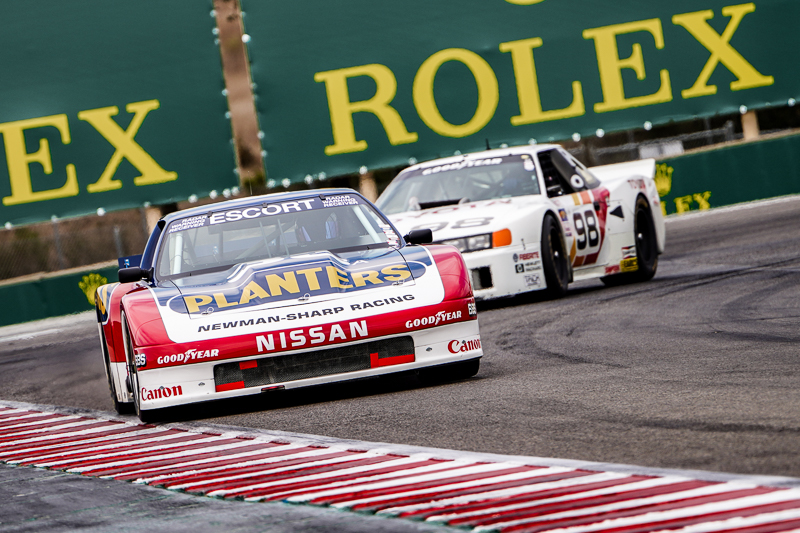
Honda and Acura brought machinery ranging from the tiny Honda S800 RSC and N600 Baja racer to a Honda-powered Williams FW11 Formula 1 car and Acura prototype machinery. Toyota’s story included the Toyota 7, AAR Celica and Eagle racers, while Mazda reached beyond the 787B with cars including the RX-7 GTO and RX-792P. Nissan’s representation included BRE Datsuns, the GTP ZX-T and the brutal NPT-90.
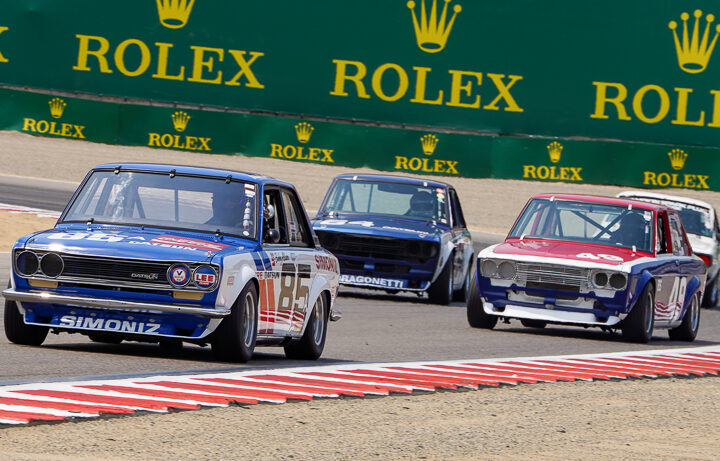
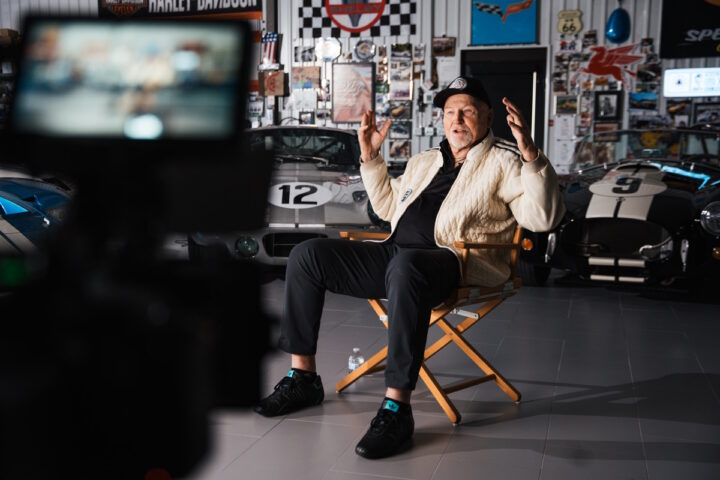
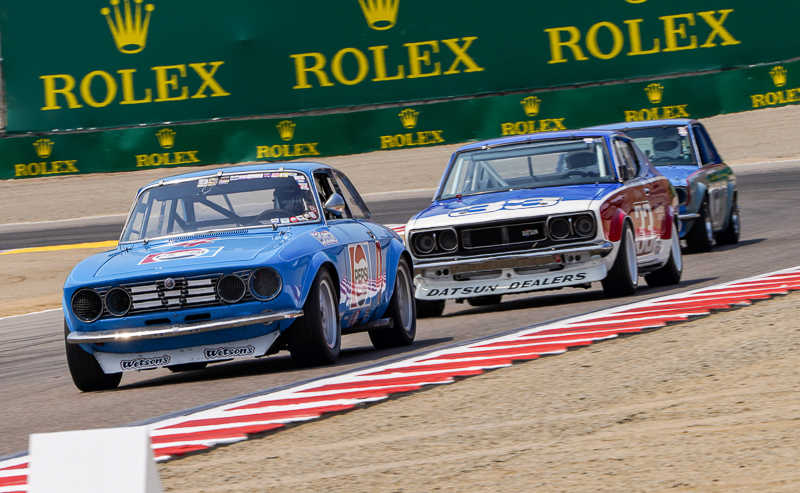
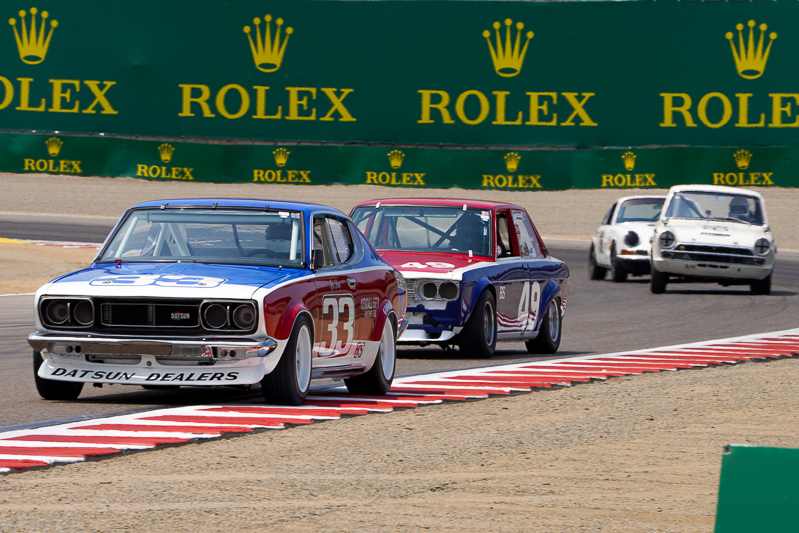
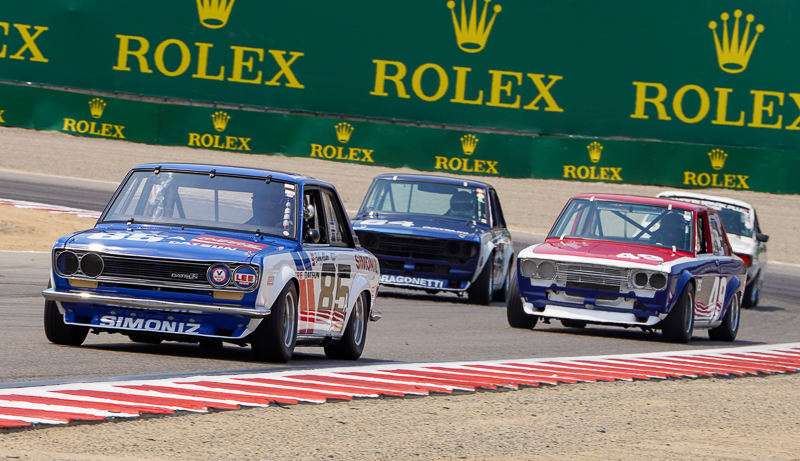
Grand Marshal Peter Brock was an inspired choice. Brock’s BRE operation helped establish Datsun as a genuine force in American road racing, particularly at a time when many enthusiasts still regarded Japanese cars as inexpensive transportation rather than future collector icons. Seeing BRE machinery celebrated alongside Le Mans winners and GTP prototypes neatly connected the beginning of that American story with what followed.
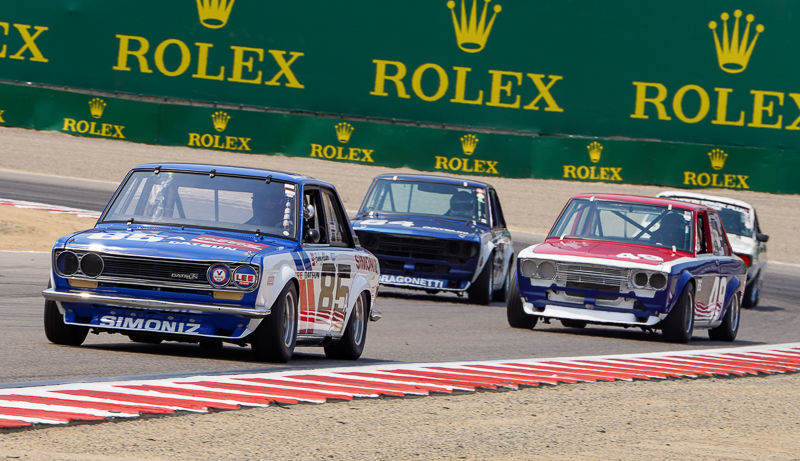
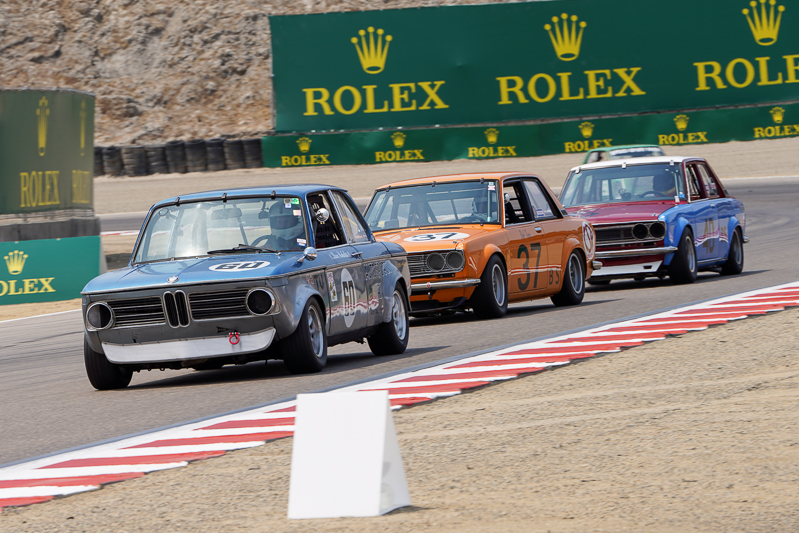
And when the Bob Sharp Cup went racing on Saturday, Japanese racing history stopped being a display and started looking like 1971 all over again. Rob Fuller won the race in a 1970 Datsun 510. Richard Stuart Milne finished second in another 1970 510, Timothy Probert finished third in a 1971 example, and Patrick Byrne made it four Datsun 510s in the first four positions. A Mazda RX-3 finished fifth. For a weekend honoring Japanese motorsport, it was almost suspiciously well scripted.\
A Reunion That Still Races
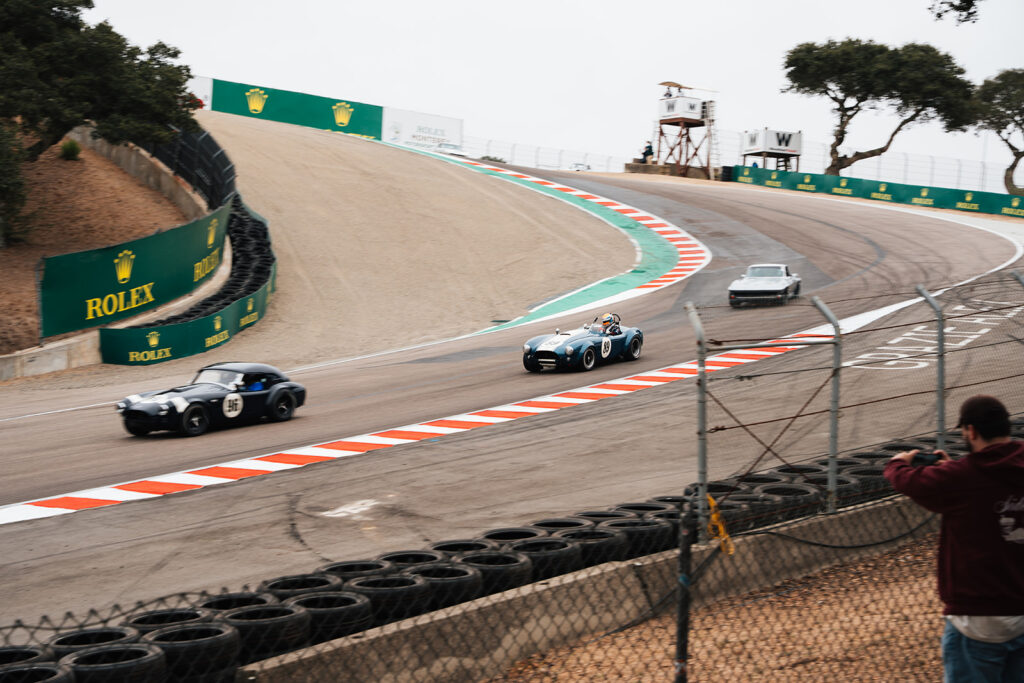
That distinction continues to separate the Rolex Monterey Motorsports Reunion from nearly every other major event during Car Week. The cars matter because of what they did. They become something more when they are allowed to do it again.
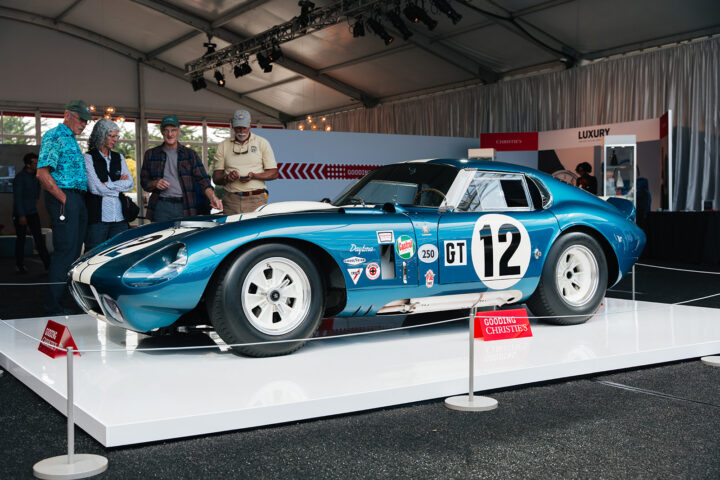
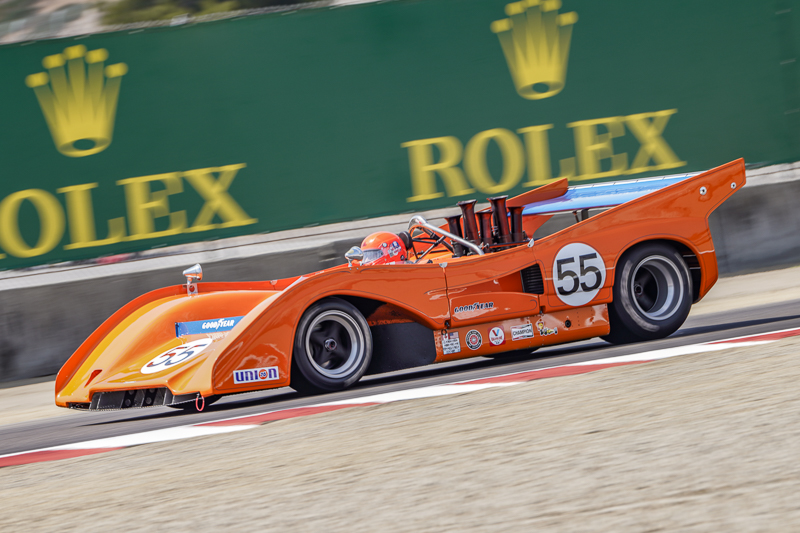
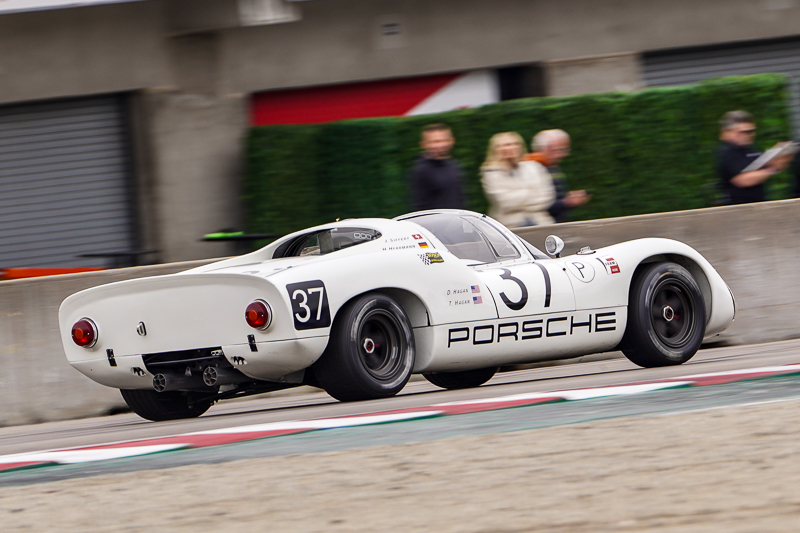
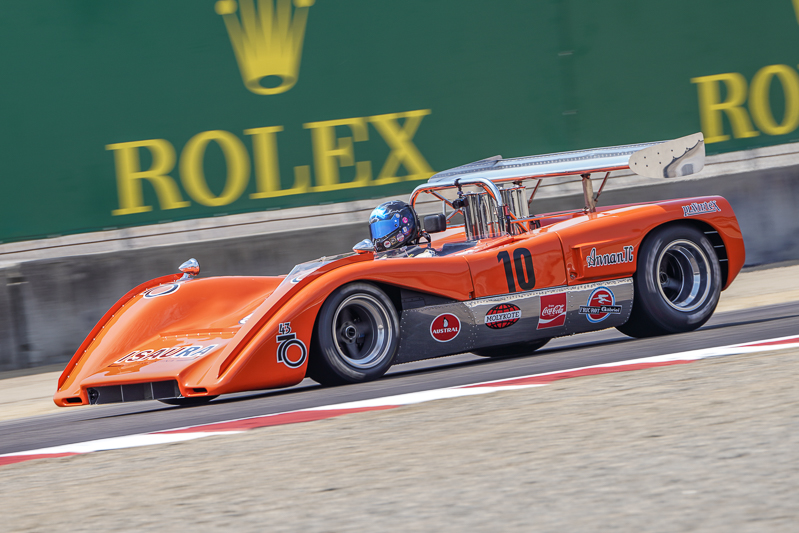
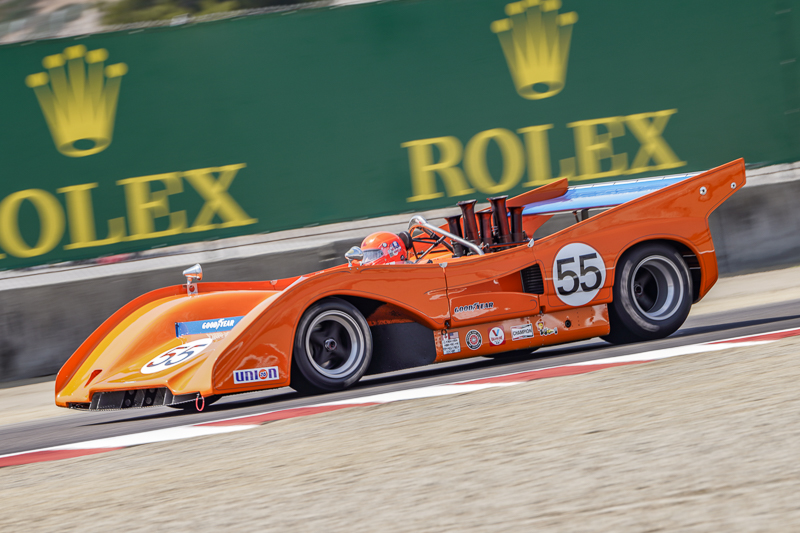
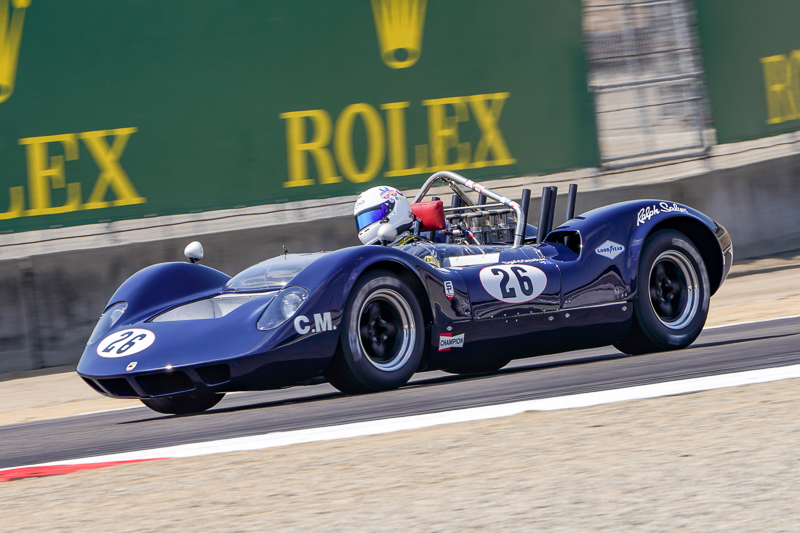
Billy Johnson took the Ken Miles Trophy in a 1964 Shelby Cobra 289, beating another Cobra driven by James Farley by just 0.479 seconds. In the Bruce McLaren Trophy race, Gunnar Jeannette wrestled a 1969 Porsche 917 PA to victory by only 0.248 second over Warren Briggs in a 1971 McLaren M8E.
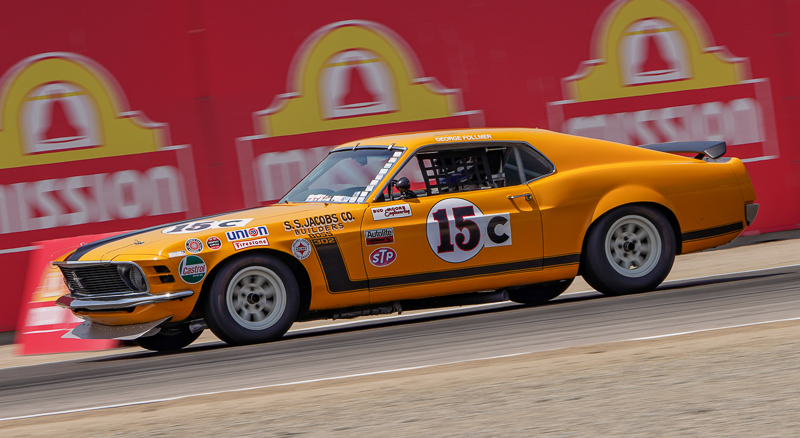
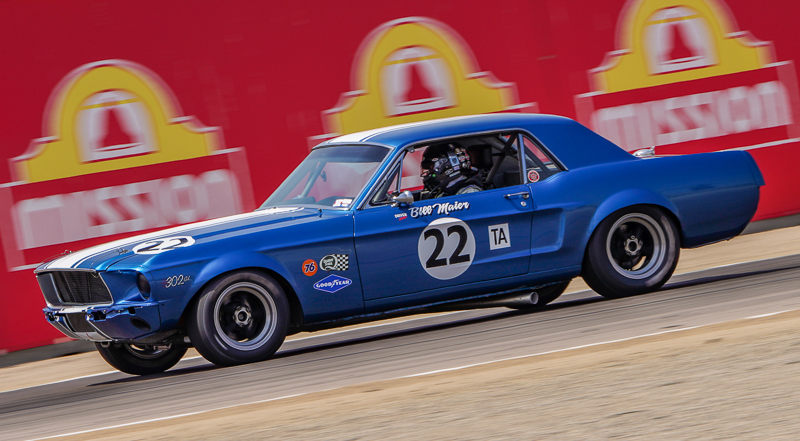
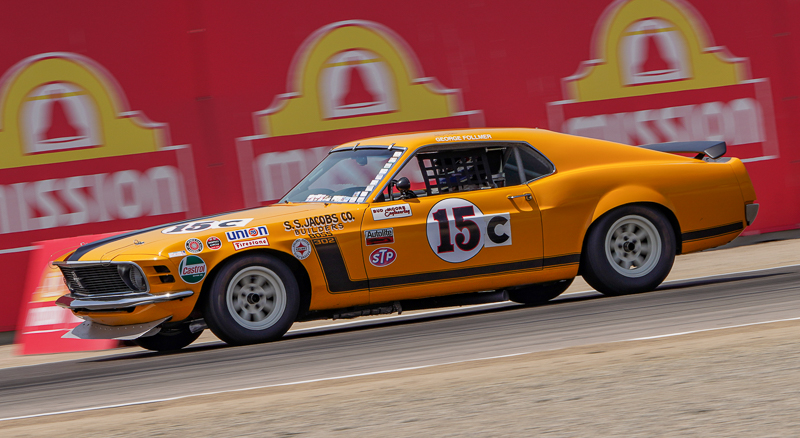
Patrick Long had an especially productive Saturday. He won the Parnelli Jones Trans-Am Trophy in a 1969 Ford Mustang Boss 302, holding Bruce Canepa’s 1970 AMC Javelin at bay by 0.473 seconds. Long later climbed aboard a very different weapon, a 1981 Porsche 935, and won the Peter Gregg Trophy as well. Then there was the Hurley Haywood Trophy for the great IMSA GTP and Group C machines.
Charles Nearburg won in a 1991 AAR Toyota Eagle Mk III GTP, a fitting result during the Japanese celebration. Behind him came Patrick Long’s Porsche 962 C and Geoff Brabham in a 1990 Nissan NPT-90. Tristan Nunez placed fifth in a Mazda 767B. This was not a static retrospective of IMSA’s technological arms race. It was an opportunity to hear these cars accelerate toward the Corkscrew again.
The newer endurance group produced another Japanese victory. Nick Yelloly and Bob Neapole won the Scott Pruett Legends of Endurance Cup in a 2010 Acura ARX-01c, ahead of 2009 Formula 1 World Champion Jenson Button in a 2000 Dodge Viper GTS-R.
IROC Delivers the Finish of the Weekend
Of all the Reunion’s increasingly ambitious additions, the return of IROC may have delivered the most immediately entertaining moment. The International Race of Champions concept remains wonderfully simple. Put accomplished drivers into closely matched cars and remove as many excuses as possible.
The 2026 field included names from NASCAR, IndyCar, sports cars and the broader racing world, with Kurt Busch, Jimmie Johnson, Bobby Labonte, Dario Franchitti, Danny Sullivan, Scott Pruett, Patrick Long, Tomy Drissi, Bruce Canepa and Zak Brown among those taking part. It came down to Busch and Johnson.
Driving a 2003 IROC Pontiac Firebird, Kurt Busch crossed the line after nine laps in 14:43.974. Jimmie Johnson’s nearly identical 2003 Firebird arrived in 14:43.976. The margin was 0.002 seconds.
For Busch, there was a delicious bit of racing symmetry. One of the most famous moments of his NASCAR career came at Darlington in 2003, when Ricky Craven beat him to the line by exactly 0.002 seconds. More than two decades later, Busch found himself on the profitable side of the same number at Laguna Seca. Racing history occasionally has a sense of humor.
Two Wheels Join the Party
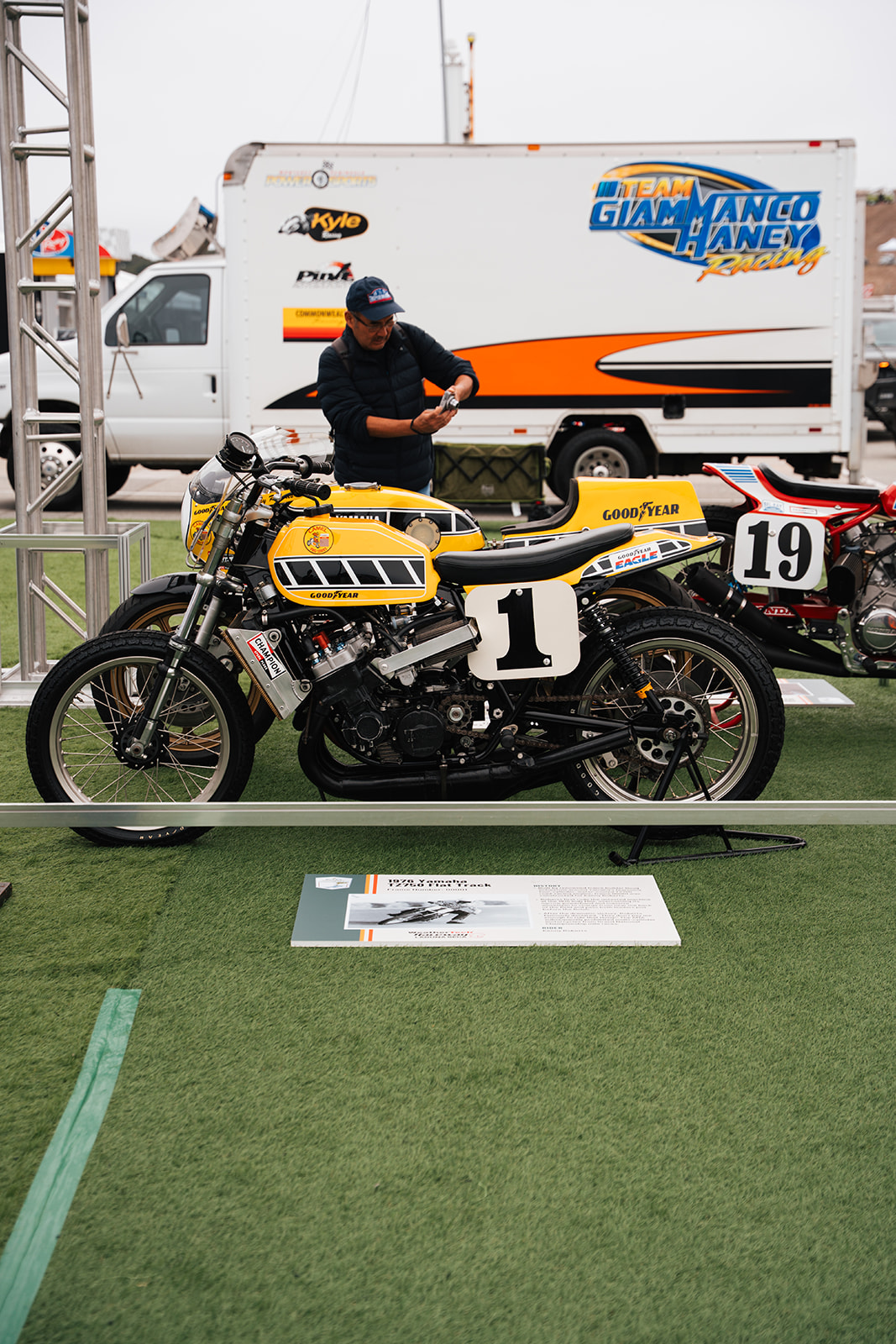
Cars did not have a monopoly on the weekend’s nostalgia. For the first time in nearly two decades, all six living American 500cc World Grand Prix Champions were reunited at Laguna Seca: Kenny Roberts, Freddie Spencer, Eddie Lawson, Wayne Rainey, Kevin Schwantz and Kenny Roberts Jr. Together, those six riders captured 14 of the 23 500cc world championships contested between 1978 and 2000.
They did more than sign autographs and tell old stories. The riders returned to the track on championship motorcycles, creating one of the weekend’s most memorable sights and sounds. The Japanese heritage display also honored the late Nicky Hayden, whose Honda was part of the motorcycle collection.
It broadened the definition of the Rolex Monterey Motorsports Reunion in exactly the right direction. Japanese motorsport history cannot be properly told without motorcycles, and pretending otherwise would be a little like recounting American racing history while skipping Indianapolis.
From Pebble Beach Specials to Hypercars
At the opposite end of the timeline was the first Hypercar Parade, which put more than 40 modern hypercars on track. The parade offered an interesting counterpoint to machinery developed when aerodynamicists still worked with pencils and racing mechanics could fix half the car with a hammer. There was history elsewhere, too.
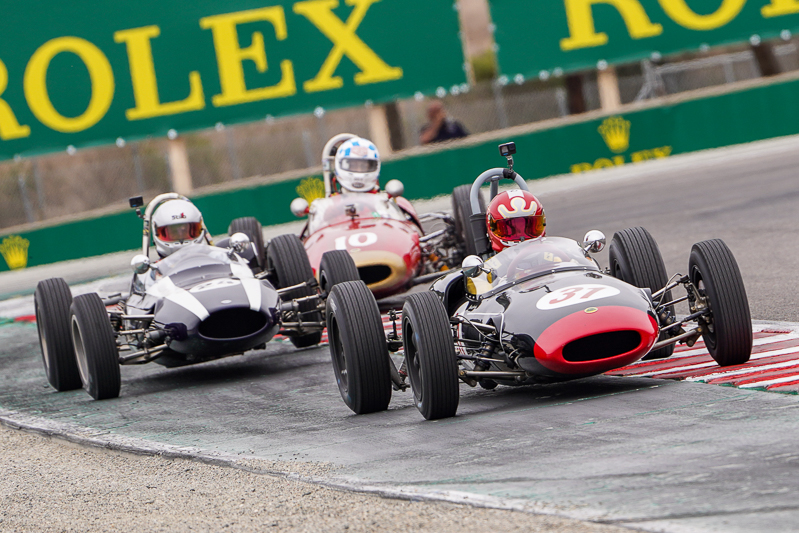
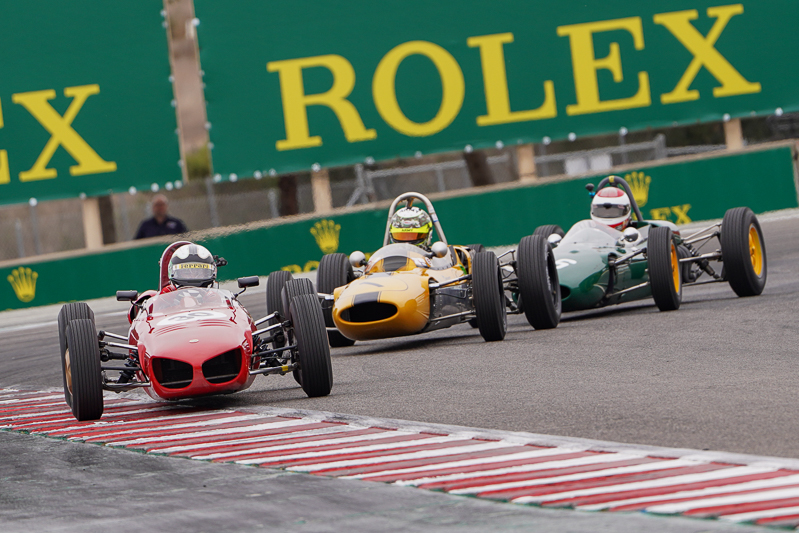
The Del Monte Trophy returned to the era that ultimately gave birth to Laguna Seca itself. Derek Hill won Saturday’s race in the 1950 Jaguar Parkinson Special, a particularly appropriate result for a group dedicated to the machines associated with the old Pebble Beach Road Races.
At the other end of the financial spectrum, Bonhams held its first auction at the circuit after nearly three decades at Quail Lodge. A 2024 Bugatti Chiron Super Sport sold for $4.57 million, proving once again that Monterey Car Week can make vintage racing look like an economical hobby.
Yet the machinery on the auction block was almost secondary to what was happening outside.
The Reunion’s open paddock remains one of its great strengths. Fans can walk among cars that would normally sit behind ropes, watch crews work, meet drivers and then see those same machines head onto the circuit. It retains a club-racing accessibility despite the increasingly extraordinary values of the cars involved. That may be the secret to why the event continues to work.
The Past Is Better at Full Throttle
The 2026 Rolex Monterey Motorsports Reunion managed to be broader without losing sight of its reason for being.
The Hypercar Parade pointed toward the future. IROC brought stars back into competition. The motorcycle gathering expanded the historical conversation. Bonhams added another layer to an already crowded Monterey calendar. But the Japanese motorsport celebration gave the weekend its soul.
For generations of enthusiasts who grew up with Z-cars, RX-7s, Supras, NSXs, Skylines and superbikes, these machines are no longer the new kids arriving at a European-dominated party. They are the classics. Their racing victories are part of the established history of the sport, and the collectors, racers, and fans who came to Laguna Seca made that point emphatically. The beauty of the Rolex Reunion is that it does not ask us merely to remember why these cars mattered. It fires them and puts them on the track.
2026 Rolex Monterey Motorsports Reunion Class Winners
The Saturday schedule concluded with Race 2 for each of the Reunion’s 13 run groups. The published Race Monitor timing pages identify the following overall winners. Race Monitor labels these timing results as “not official,” so I would retain that distinction until a separate final classification is published by the organizers or sanctioning body.
| Group / Trophy | Winner | Winning Car |
|---|---|---|
| Del Monte Trophy | Derek Hill | 1950 Jaguar Parkinson Special |
| John Morton Trophy | Cameron Healy | 1953 Cooper-Porsche “Pooper” |
| Ken Miles Trophy | Billy Johnson | 1964 Shelby Cobra 289 |
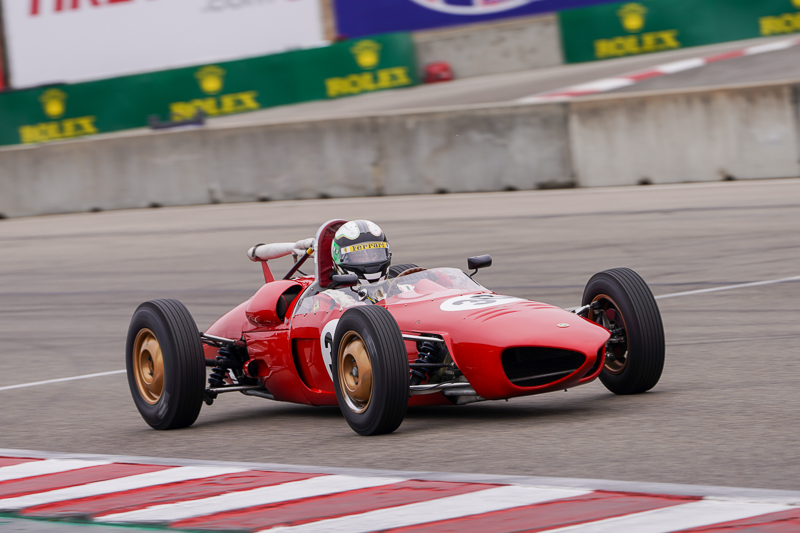
| Peter Revson Trophy | Joseph Colasacco | 1962 Stanguellini Delfino |
| Pedro Rodriguez Trophy | Cal Meeker | 1973 Lola T294 |
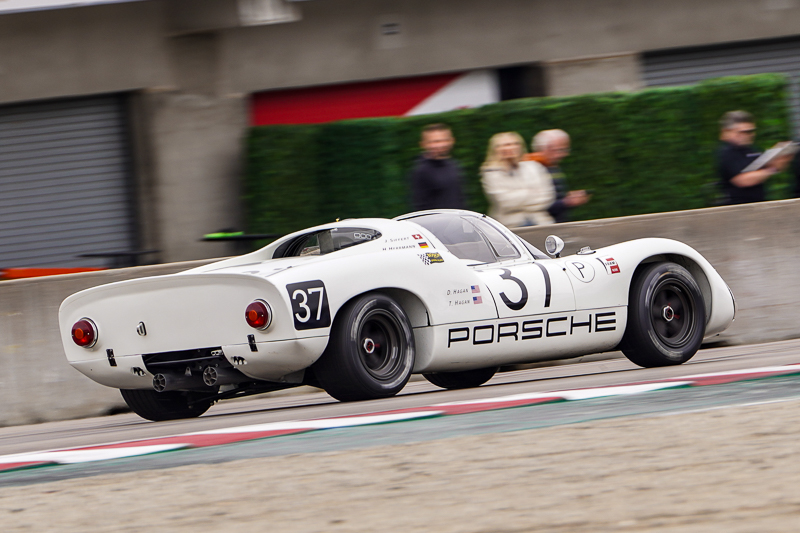
| Bruce McLaren Trophy | Gunnar Jeannette | 1969 Porsche 917 PA |
| Parnelli Jones Trans-Am Trophy | Patrick Long | 1969 Ford Mustang Boss 302 |
| Bob Sharp Cup | Rob Fuller | 1970 Datsun 510 |
| Peter Gregg Trophy | Patrick Long | 1981 Porsche 935 |
| Hurley Haywood Trophy | Charles Nearburg | 1991 AAR Toyota Eagle Mk III GTP |
| Tommy Kendall Trophy | Matt Crandall | 1990 Oldsmobile Cutlass |
| Scott Pruett Legends of Endurance Cup | Nick Yelloly / Bob Neapole | 2010 Acura ARX-01c |
| Unser Family Cup, IROC | Kurt Busch | 2003 IROC Pontiac Firebird |
Quick Facts
- Event: 2026 Rolex Monterey Motorsports Reunion
- Dates: August 12-15, 2026
- Venue: WeatherTech Raceway Laguna Seca
- Location: Monterey County, California
- Track Length: 2.238 miles
- Turns: 11
- Elevation Change: Approximately 180 feet
- Event Running: 52nd Year
- 2026 Theme: Icons of Japanese Motorsport / Salute to Japanese Motorsports
- Grand Marshal: Peter Brock
- Race Groups: 13
- Historic Race Cars: More than 400 entered across the Reunion
- Japanese Display Highlights: Mazda 787B, Toyota TS050 Hybrid, Nissan GTP machinery, Honda-powered F1 cars, BRE Datsuns
- IROC Winner: Kurt Busch
- Closest Highlight: Busch defeated Jimmie Johnson by 0.002 seconds
- Notable Firsts: Hypercar Parade, major Japanese motorcycle celebration, JDM show, Bonhams auction at Laguna Seca
FAQ
When was the 2026 Rolex Monterey Motorsports Reunion?
The 2026 Rolex Monterey Motorsports Reunion was held August 12 through August 15, 2026, at WeatherTech Raceway Laguna Seca in Monterey County, California.
What was the featured theme of the 2026 Rolex Monterey Motorsports Reunion?
The 2026 event celebrated the Icons of Japanese Motorsport, highlighting the racing history of manufacturers including Mazda, Nissan, Toyota, Honda, Acura, Yamaha, Lexus, Infiniti, and Mitsubishi.
What were the most important cars in the Japanese motorsport display?
Two of the biggest attractions were the 1991 Mazda 787B, the first Japanese car to win the 24 Hours of Le Mans overall, and the 2018 Toyota TS050 Hybrid, which delivered Toyota its first overall Le Mans victory. The display also included important Honda, Nissan, Toyota, Mazda, Acura and Subaru racing machinery.
Who won the IROC race at the 2026 Rolex Monterey Motorsports Reunion?
Kurt Busch won the Unser Family Cup IROC race in a 2003 IROC Pontiac Firebird. He defeated Jimmie Johnson by just 0.002 seconds.
Who was Grand Marshal of the 2026 Rolex Monterey Motorsports Reunion?
Peter Brock served as Grand Marshal. Brock’s BRE racing operation played a major role in establishing Datsun’s racing reputation in the United States, making him particularly appropriate for the Japanese motorsport celebration.
What made the motorcycle celebration significant?
All six living American 500cc World Grand Prix Champions, Kenny Roberts, Freddie Spencer, Eddie Lawson, Wayne Rainey, Kevin Schwantz, and Kenny Roberts Jr., reunited at Laguna Seca. Together they won 14 of the 23 500cc world championships contested between 1978 and 2000.
How long is Laguna Seca?
WeatherTech Raceway Laguna Seca is 2.238 miles long, features 11 turns, and has approximately 180 feet of elevation change. Its signature feature is the Corkscrew.