

 Michael Satterfield
If you stood on Mulholland Drive in the late fifties and heard a straight six climbing the ridge at full song, there was a good chance the driver was Steve McQueen. And the machine? The rare and glorious Jaguar XKSS. A road car that was never meant to exist, born from racing dominance and a twist of fate.
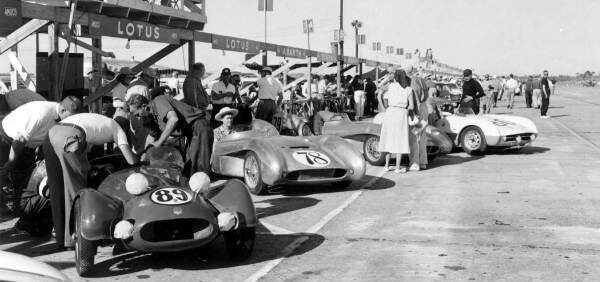
The XKSS story begins at Le Mans. Jaguar’s D-type won the 24 Hours three years in a row, conquering the Mulsanne with a slippery alloy body, Dunlop disc brakes, and the muscular XK inline six. When Jaguar stepped back from top-tier endurance racing at the end of 1956, its Browns Lane plant held unused D-type chassis. Rather than let them vanish into the parts bin, Jaguar boss Sir William Lyons saw an opportunity for the American market. The United States was hungry for exotic European speed machines. Jaguar would convert 25 chassis into road-going cars. They would be called XKSS.

The transformation kept the heart of the racer intact. Under the skin, the XKSS shared its stressed monocoque tub and rear subframe with the D. The 3.4-liter straight six produced roughly 250 horsepower, channeled through triple carburetors. Contemporary road tests quoted zero to sixty in a little over five seconds and a top speed near 150 mph, serious velocity for 1957.
Civilization arrived in detail rather than philosophy. Jaguar added a full-width windscreen, side windows, a passenger door, simple weather equipment, and small bumpers. The tall D-type fin disappeared, and some cars received a luggage rack over the spare. It was enough to pass American regulations, yet not enough to tame the purpose. The Jaguar XKSS remained a pure sports car that whispered nothing about practicality.
Nearly all of the initial production was destined for North America. Then fate intervened. In February 1957, a nighttime fire swept through Browns Lane. Hundreds of Jaguars burned, including nine XKSS chassis in various stages of conversion. With tooling and jigs destroyed, Jaguar abandoned the project. Sixteen cars survived. The unbuilt nine became the stuff of legend.

Steve McQueen’s Daily Driver
One of those survivors found its way to McQueen. Originally white over red, Jaguar XKSS chassis 713 became the actor’s favorite ride. He repainted it deep British Racing Green, retrimmed it in black by hot rod upholsterer Tony Nancy, and entrusted Von Dutch to fabricate a locking glovebox so McQueen could secure his sunglasses. He drove it hard through the hills above Hollywood, building a thick stack of speeding tickets before selling it, then buying it back. The car stayed with him until late in his life and today resides in the Petersen Museum collection.
For decades, the Jaguar XKSS lived as blue-chip unattainable perfection. Sixteen originals meant each auction appearance sparked global attention. The car represented a direct link between Le Mans glory and American sports car culture. It was the moment the race car rolled onto Rodeo Drive.

The Jaguar XKSS by Jaguar Classic
Then, in 2016, Jaguar Classic announced it would complete what the fire had interrupted. Nine new XKSS cars would be hand-built to original 1957 specifications, using unused chassis numbers allocated at the time. Every rivet pattern and sheet metal detail was recreated with period correctness in mind. The debut took place in Los Angeles, a fitting nod to the car’s celebrity reputation. Prices exceeded one million pounds each, and all sold immediately.
Behind the wheel of an original, a continuation, or even a replica, the Jaguar XKSS still feels alive. With modest weight and generous torque, acceleration remains brisk. The view across the long bonnet is one of the most stirring sights in motoring. The cockpit is compact and purposeful, the exhaust note raw and mechanical. It asks the driver to be present. Modern aids are absent, distractions unwelcome.

Why does the XKSS endure? Partly because of rarity. Partly because of the mythology of McQueen. Mainly because it embodies purity from a transitional era, Jaguar took a weapon built to conquer the French countryside at two hundred miles an hour. He made just enough changes to allow a license plate. The result is part racer, part boulevardier, and all heart.
The XKSS is an icon worth studying. It carries the patina of Le Mans, the glamour of Sunset Boulevard, and the craftsmanship of postwar Coventry. A limited run halted by disaster. A celebrity who drove his example like the throttle was a challenge to fate. And a legacy reborn through Jaguar’s continuations decades later.

It is a reminder that great cars are more than shapes and horsepower numbers. They are chapters in the long dialogue between competition and culture. The XKSS speaks softly but with authority. A road car built from victory. A survivor of fire. A timeless expression of speed at its most elemental.









Too bad you don’t have any of the iconic photos of Steve McQueen in his car, they are all over the internet you should add some to this story.
This is a really wonderful car. Many thanks for providing these story.
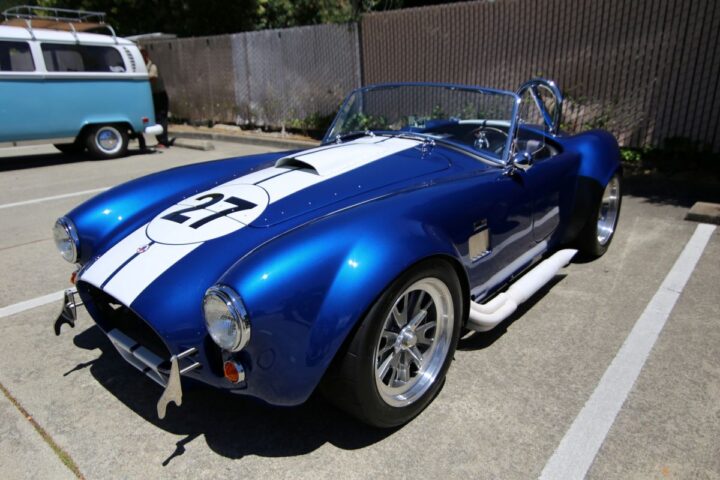
This is my dream car, I have been looking at buying a kit car version to build.
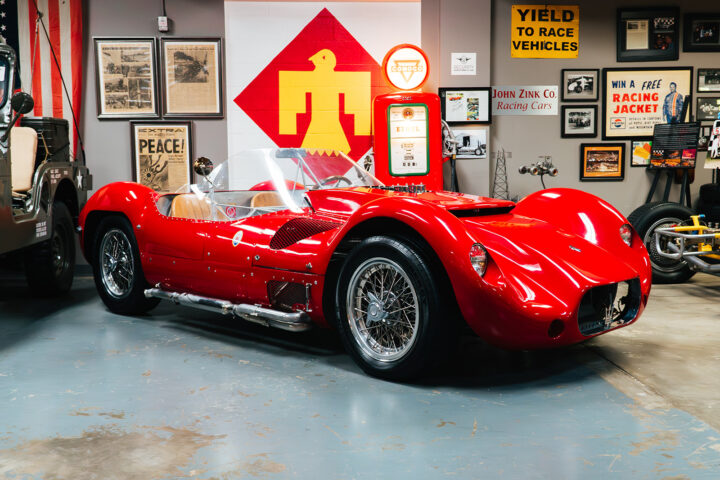
Pretty! This would have been really cool had you had a chance to drive an original one and not just a replica.
Great information shared.. really enjoyed reading this post thank you for sharing this
What a breath of fresh air this article is! I’m so tired of clickbait titles and shallow content, so finding something this substantial and well-researched was such a pleasant surprise.
This is my first time pay a quick visit at here and i am really happy to read everthing i love at one place
The XKSS feels like the perfect distillation of what makes classic cars irresistible; heritage, rarity, and a bit of Hollywood swagger all in one
One day I want to hear one run on Mulholland.
By far the coolest car Steve ever owned
Oh yea… We should do a Collab or Wholesale for you on that Car.
https://fireballtimgarage.art/search?q=steve+mcqueen+jaguar&options%5Bprefix%5D=last