

 Michael Satterfield
For seventy years, Willow Springs International Raceway has been a hallowed ground and desert relic where Carroll Shelby, Dan Gurney, and Ken Miles once carved history into California dust. Known simply as “Big Willow,” its 2.5-mile circuit, unchanged since 1953, has tested everyone from backyard racers to world champions.
But as the decades wore on, time began to catch up with the track. The asphalt grew tired, the paddocks faded, and whispers of decline turned into a question no one wanted to answer: had Willow Springs finally run its last lap?
In early 2025, that uncertainty vanished with the roar of new ownership, and no, Emelia Hartford didn’t buy it… An affiliate of CrossHarbor Capital Partners, working alongside Singer Vehicle Design, purchased the facility from the Huth family, the stewards who had kept it alive since the Eisenhower era. Their mission: to honor the past while rebuilding for the future.
“The incredible turnout today proves the enthusiast culture is alive and well, and we’re excited about the future here at Willow Springs,” said Sam Byrne, co-founder of CrossHarbor Capital Partners and representative of the Willow Springs ownership group. “Our goal is to reinvigorate the facility while leaning into its really cool past. It’s all about celebrating car culture and performance.”

Willow Springs: Rebuilding the Legend
Under new ownership, Willow Springs didn’t just get a new coat of paint but a complete refresh. The Streets of Willow course has been resurfaced and reshaped, now featuring three new chicanes designed to improve both safety and flow. The karting complex was rebuilt from the ground up, the runoff zones expanded, and the pit areas modernized.
Even the iconic green-and-white branding has returned, with a new logo unveiled that nods to its mid-century heritage. The improvements strike a careful balance: modern infrastructure that doesn’t erase the grit, soul, or spirit that make Willow Springs such a touchstone of American motorsport.
The question on many enthusiasts’ minds was whether the new owners would keep the gates open for grassroots racers or lean fully into high-dollar experiences. So far, the answer seems promising—there’s room for both. “Public access remains a cornerstone,” the owners emphasized, promising that track days, club events, and weekend warriors will always have a home at Willow Springs.

The Big Comeback: Willow Springs Reimagined
The track’s grand reopening came to life on October 11, 2025, under a sun that seemed determined to make the tarmac shimmer like polished steel. The event, appropriately titled Willow Springs Reimagined, was part car show, part festival, and part motorsport revival.
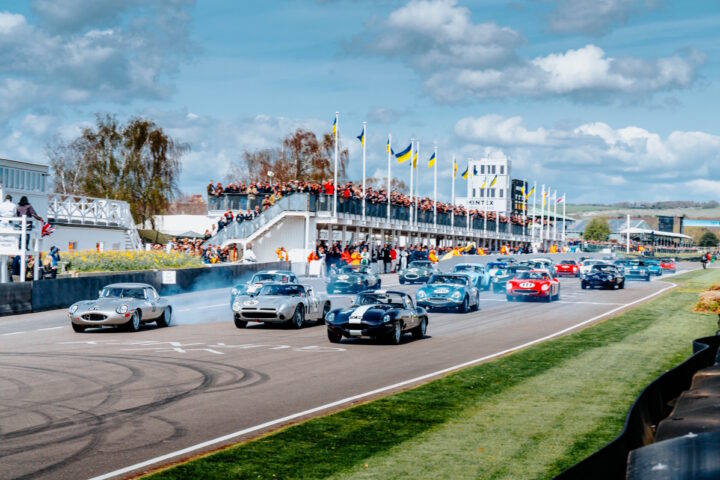
More than 5,000 spectators packed the venue, from lifelong fans to curious newcomers. The paddocks buzzed with energy as more than 200 rare and historic vehicles rolled in, many of which were brought by Singer Vehicle Design and the Petersen Automotive Museum.

Then came the headliners. Jimmie Johnson, Jenson Button, and Dario Franchitti each took to the track, demonstrating the kind of speed and precision that made Willow Springs famous. In perhaps the most emotional moment of the day, Lia Block, daughter of the late Ken Block, piloted her father’s “Hoonitruck” around the newly refinished circuit to thunderous applause.
The air smelled of race fuel and barbecue, with local food trucks lined up beside souvenir vendors, vintage car model displays, and even a live taping of The Smoking Tire podcast. It was a full-blown celebration of speed, community, and the enduring pull of the open track.

Beyond the Checkered Flag
The reopening of Willow Springs isn’t just a win for racing; it’s a reminder that legacy and progress can coexist. The facility’s upgrades honor its roots while making room for the next generation of enthusiasts, engineers, and dreamers.
Critics have been quick to note the careful balancing act between preserving accessibility and inviting in higher-end events, but early signs suggest the formula is working. Willow Springs feels alive again—not a museum piece, but a living, breathing part of motorsport’s DNA.
As the sun dipped behind the Tehachapi Mountains, the final cars of Willow Springs Reimagined roared across the finish line, and something profound settled over the crowd: hope.
After years of uncertainty, the desert track that helped define American racing isn’t just surviving—it’s thriving. And with new stewards behind the wheel, Willow Springs is once again the proving ground where legends are made.

Photos Courtesy of Willow Springs


This would be so much better had Emelia bought it and turned into a real track for the people, now its just another rich guy playground and the real car guys can’t afford to drive there.