
 Yadon Gifford
Before buying a car, the first question is simple: what kind of car actually fits your life? For many shoppers today, that question leads straight to electric cars. You have heard the promises. Lower running costs. Cleaner operation. A future without gas stations. But how much of that is real, and how much is marketing gloss?
From a financial perspective, the argument for electric cars has become increasingly clear. Electricity remains cheaper per mile than gasoline in most markets. Electric motors have far fewer moving parts than internal combustion engines. There are no oil changes, no spark plugs, no timing belts, and no exhaust systems to replace. Owners routinely report years of driving with little more than tire rotations and brake service.
The upfront purchase price of a new electric vehicle is still higher than some comparable gas models. But internal combustion cars are hardly inexpensive either. When fuel, maintenance, and long term operating costs are added up, the gap narrows quickly.

Electric Cars: Lower Maintenance, Fewer Headaches
An electric car is mechanically simple. The drivetrain consists of a battery pack, power electronics, and an electric motor. That simplicity translates to fewer breakdowns and lower service costs over time. Many EV owners go years without a single unplanned repair visit.
Battery warranties now commonly cover eight years or more, easing concerns about long term ownership. As production scales and technology improves, battery replacement costs continue to fall.
Are Electric Cars Actually Cleaner?
Critics often claim that electric vehicles simply shift pollution from the tailpipe to the power plant. That argument ignores decades of data. Large scale electricity generation is significantly more efficient and easier to regulate than millions of individual car engines.
Studies in Europe and North America consistently show that even when electricity is generated partly from fossil fuels, electric vehicles produce substantially lower lifetime emissions than comparable gasoline cars. The cleaner a country’s energy grid becomes, the greater the advantage.
There is also a practical health benefit. Power plants are generally located far from dense population centers. Tailpipe emissions, by contrast, occur directly where people live, walk, and breathe. Reducing street level exhaust has measurable benefits for children, the elderly, and anyone with respiratory conditions.

Charging Is Easier Than You Think
Early EV ownership required patience. Today charging networks are expanding rapidly, and home charging has become a major advantage. Most owners start each morning with a full battery by simply plugging in overnight. No detours to a fuel station. No standing in the rain holding a pump.
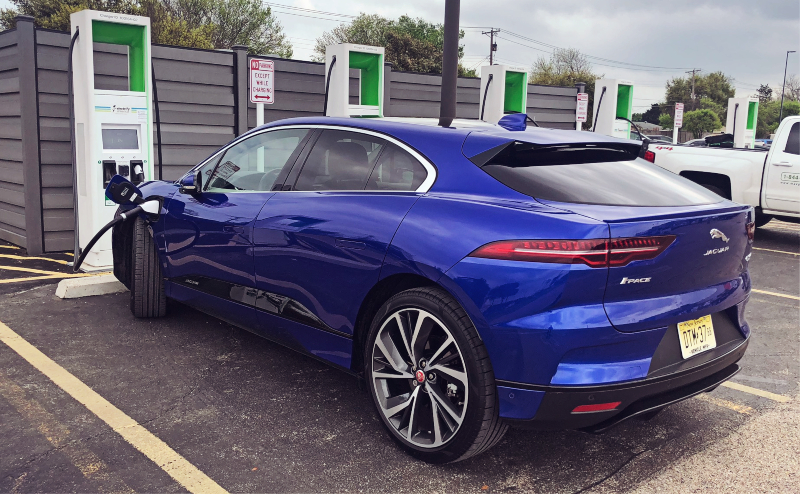
Public chargers now appear in shopping centers, office buildings, hotels, and highway rest stops. Fast chargers can replenish most modern EVs to eighty percent in well under an hour. For daily driving, home charging covers the majority of needs.
The Grid Is Getting Cleaner
The environmental benefit of an EV depends partly on how electricity is generated. Countries and regions with higher renewable energy penetration deliver cleaner charging by default. But even in areas that rely on fossil fuels, grids are improving year by year.
Home solar systems and battery storage offer another path. Many EV owners already charge their vehicles using electricity produced on their own rooftops. The technology exists today and continues to become more affordable.

The Road Ahead
Electric vehicles are no longer experimental novelties. Every major automaker now offers multiple EV models, charging infrastructure is growing, and governments around the world are setting emissions targets that favor electrification.
Choosing an electric car today is not only a decision about personal transportation. It is a glimpse of where the industry is headed.
The question is no longer whether electric vehicles will become common. The question is how quickly drivers will realize that they already make sense.