
 Michael Satterfield
Some cars are built to break records. Others are designed to make a statement. The Tipo 184 kit car was built to capture a feeling, one that has become increasingly difficult to find in the modern automotive world.
The inspiration comes from the Alfa Romeo 158 Alfetta, one of the most successful Grand Prix racing cars ever built. First developed before World War II, the Alfa Romeo 158 became the car to beat when international racing resumed. In 1950, Giuseppe “Nino” Farina drove the 158 to victory in the inaugural Formula One World Championship. A year later, Juan Manuel Fangio secured his first world title in its successor, the Alfa Romeo 159.
These were the glory days of Grand Prix racing, when drivers sat high in narrow cockpits, exposed wheels danced over imperfect pavement, and controlling a racing car required equal measures of courage and mechanical understanding.
Today, an original Alfa Romeo 158 is a museum-quality treasure, effectively unobtainable for most enthusiasts. Even if one could afford the car, driving it regularly would require a considerable investment in specialist maintenance.
Enter Ant Anstead. The British television presenter and automotive builder, known for his work on Wheeler Dealers and Ant Anstead Master Mechanic, had previously constructed his own homage to the legendary Alfa Romeo racer. That project eventually evolved into something more ambitious: an affordable, accessible, build-it-yourself Grand Prix-inspired sports car.
Working with engineer Darren Collins and Dowsetts Classic Cars in Britain, Anstead helped develop the Tipo 184, a single-seat sports car combining vintage racing aesthetics with the proven mechanical components of a Mazda MX-5 Miata. The name itself is a clever reference to its inspiration. The original Alfa Romeo Tipo 158 used a 1.5-liter eight-cylinder engine. The Tipo 184 uses a 1.8-liter four-cylinder engine. Hence, 184.
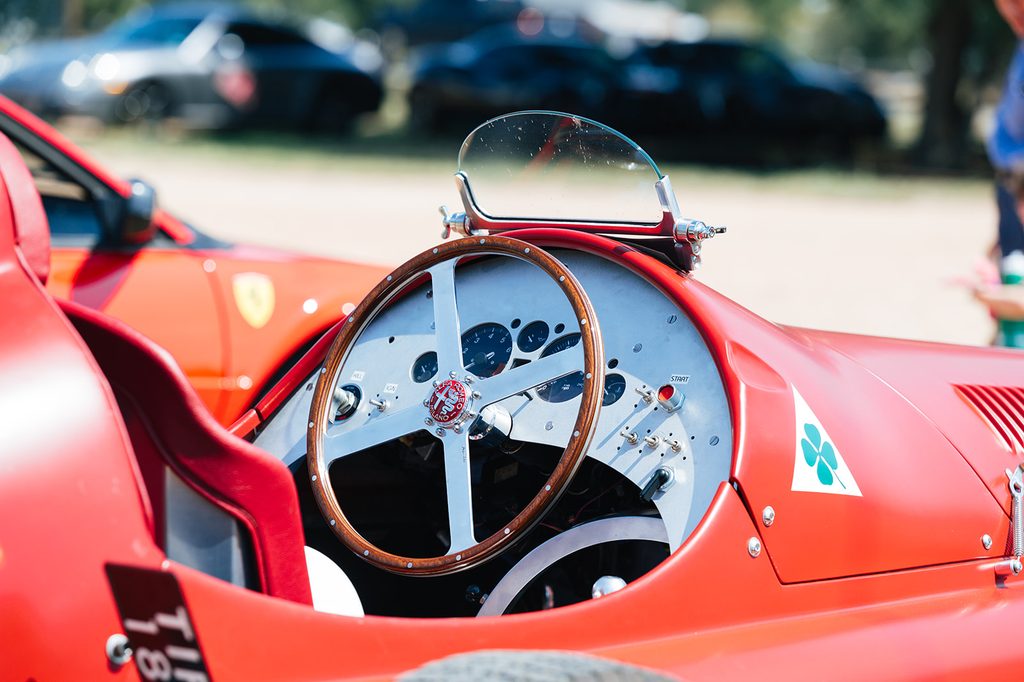
A Mazda Miata Beneath the Vintage Bodywork
The real genius of the Tipo 184 is not simply how it looks. It is the engineering hiding beneath that long, elegantly sculpted hood. Rather than designing an entirely bespoke powertrain and suspension system, the Tipo 184 uses mechanical components from the second-generation Mazda MX-5, known in the United States as the NB Miata.
The Mazda’s 1.8-liter, naturally aspirated four-cylinder engine produces approximately 140 horsepower in the commonly quoted specification. That power travels through a five-speed manual transmission to the rear wheels. In an ordinary sports car, 140 horsepower might not sound particularly exciting. However, the Tipo 184 weighs approximately 1,650 pounds, or 750 kilograms, giving it a favorable power-to-weight ratio. More importantly, the MX-5 provides a foundation famous for balance, steering response, and predictable rear-wheel-drive handling.
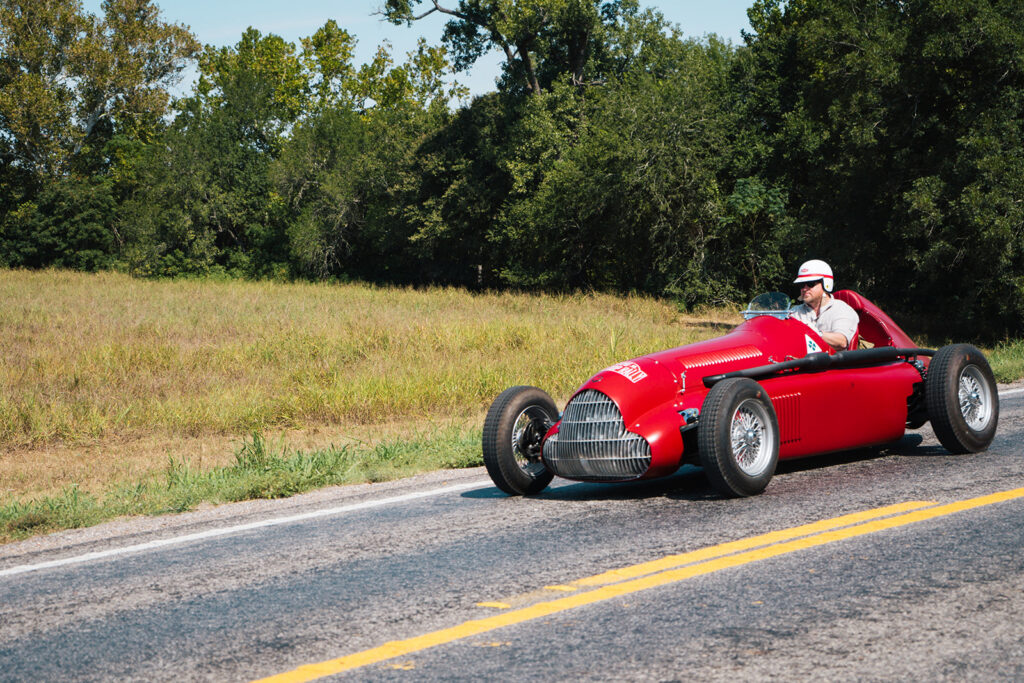
The Tipo uses a purpose-built tubular spaceframe chassis that accommodates the Mazda’s front and rear suspension subframes, steering components, brakes, differential, engine, and transmission. That decision simplifies the construction process while providing access to a substantial network of replacement parts and mechanical expertise. There are bespoke details throughout, including the bodywork, cooling system, exhaust, gear linkage, and suspension components. Traditional wire wheels and tall, narrow tires complete the Grand Prix appearance.
The long exhaust arrangement is particularly entertaining. Its visual presentation suggests the straight-eight engine of the original Alfa Romeo, although the actual power comes from Mazda’s far more manageable four-cylinder. This is what makes the Tipo 184 so interesting. It looks like something that belongs in the paddock at the Goodwood Revival, yet much of its mechanical DNA comes from one of the most approachable Japanese sports cars ever produced. It is a combination that makes the Tipo 184 easy to build, maintain, and drive.
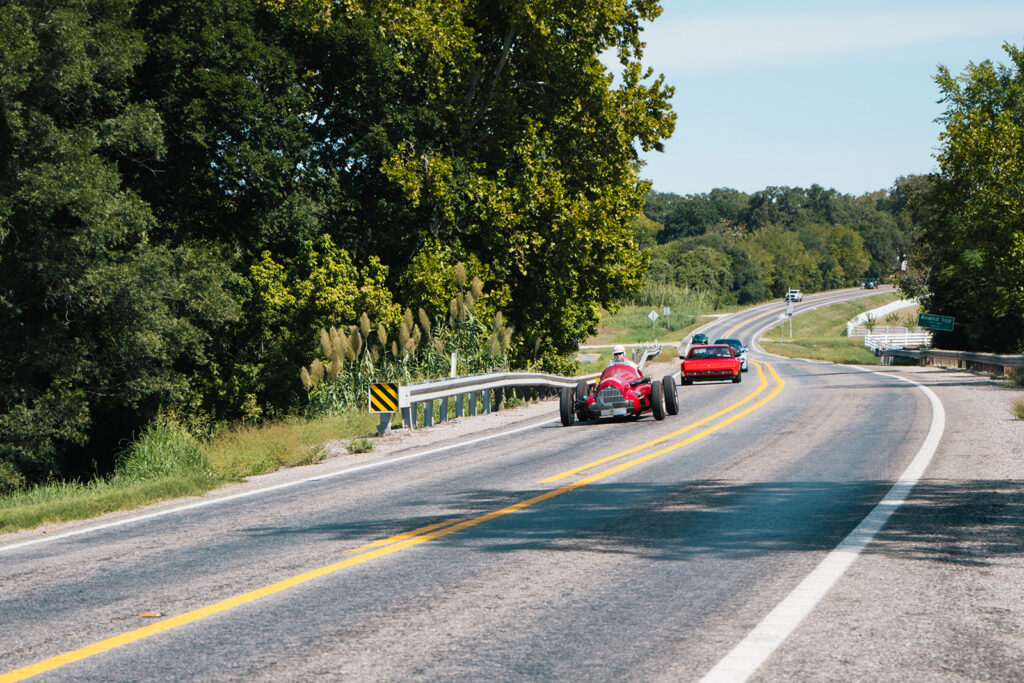
Behind the Wheel at the 2026 Round Top Rally
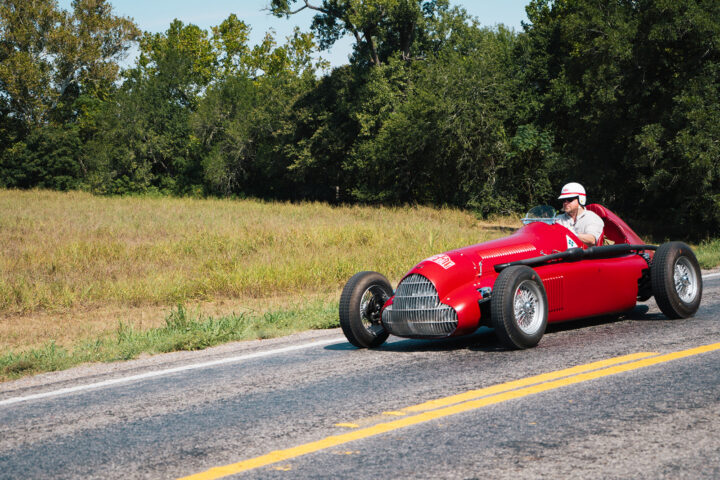
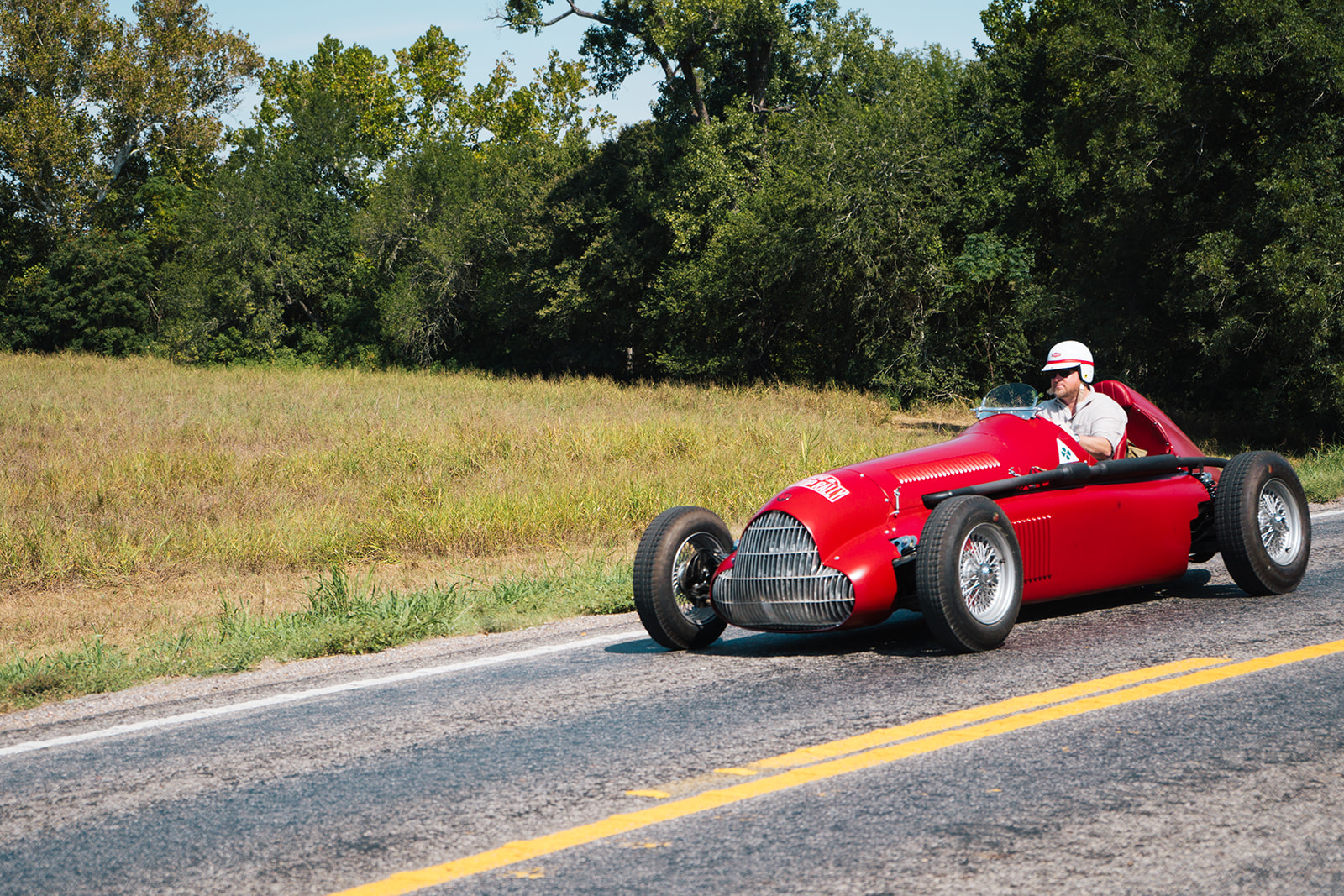
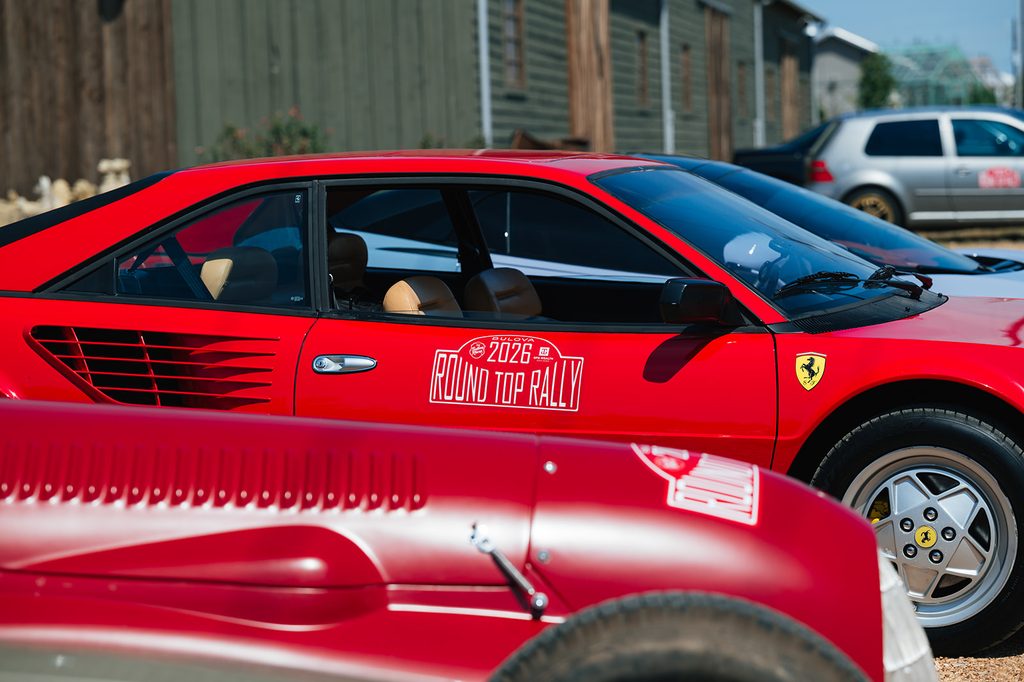
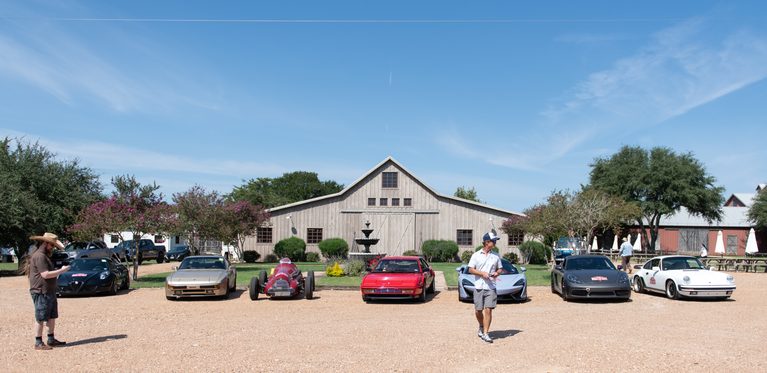
I had the opportunity to drive the Tipo 184 during the 2026 Round Top Rally on September 27, a driving event that brought together an eclectic collection of vintage sports cars, modern exotics, and enthusiast machinery. Our morning began at The Stella Hotel in Bryan, Texas, following the previous evening’s Wheels | Watches | Whiskey event. From there, the rally headed toward Round Top, trading busy highways for the quieter two-lane roads and rural countryside of the Brazos Valley. It was an ideal environment for a car like the Tipo.
One of the first things you notice is just how different the driving position is from that of a conventional sports car. You sit alone in a narrow cockpit, looking down an impossibly long hood, with the front wheels visible on either side. A large, vintage-style steering wheel dominates the space, while the unusual gearshift arrangement places the lever beside the driver, connected to the transmission by a specially engineered linkage.
No conventional windshield separates you from the environment. The small aeroscreen offers limited protection, and the entire experience feels closer to operating a historic racing machine than driving a modern road car. Despite its dramatic appearance, what impressed me most was how well the Tipo drove. Kit cars can sometimes feel like collections of compromises. Even expensive examples occasionally suffer from awkward handling, poorly calibrated suspension, or mechanical details that never feel completely resolved.
The Tipo 184 I drove was different. It felt remarkably well sorted, with excellent handling that made driving the car on winding Texas roads an absolute pleasure. The lightweight construction and responsive chassis delivered a direct connection between driver and machine that has become increasingly rare. Direction changes felt natural, and the car was genuinely enjoyable through corners. The Tipo also makes a compelling argument that horsepower is not the defining characteristic of a great driver’s car.
Modern performance cars have become extraordinarily capable, often delivering acceleration and cornering figures that would have seemed impossible just a generation ago. But that performance increasingly comes with electronic assistance and refinement that can separate the driver from the experience.
The Tipo 184 takes a different approach. With modest power, low weight, and an engaging chassis, it rewards the simple pleasure of driving. It is not about chasing enormous speeds or posting impressive numbers. It is about feeling involved in the process. And while driving a single-seat, Grand Prix-inspired machine on public roads always has an element of theater, the Tipo never felt like a novelty that sacrificed its driving dynamics for looks. It felt like a proper sports car.
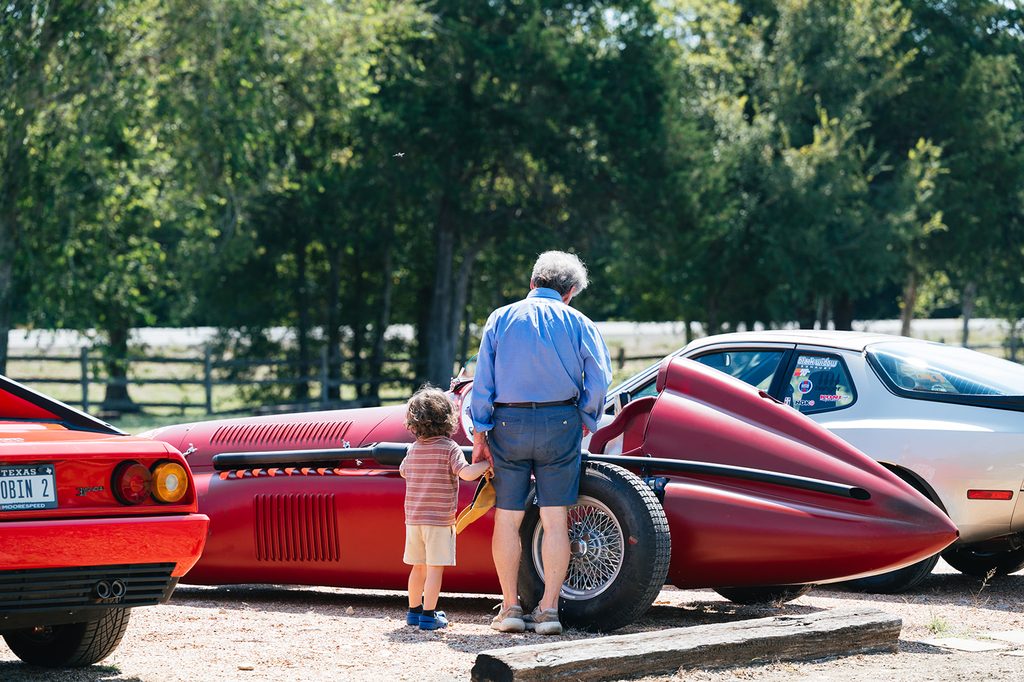
The Most Interesting Car in the Parking Lot
The Tipo 184’s performance was only half the story. The other half was the reaction it received everywhere we went. The Round Top Rally attracts a diverse selection of enthusiast vehicles, including some genuinely exotic automobiles. Yet the Tipo had no difficulty holding its own when it came to attracting attention.
Its long hood, narrow cockpit, exposed wheels, and vintage racing proportions make it look unlike almost anything else on the road. At our stops in Round Top, including Henkel Square and The Compound, the car naturally became a conversation starter. People wanted to know what it was, how old it was, and whether it was an authentic Alfa Romeo racing car. The answers often surprised them.
Explaining that this beautiful vintage-style Grand Prix machine was actually a modern kit car powered by Mazda Miata running gear only made it more interesting. There is something appealing about a car that can draw a crowd without relying on an exotic badge or an outrageous price tag. The Tipo 184 does exactly that. Its appeal comes from design, history, and the romance of an era when racing cars were as beautiful as they were dangerous.
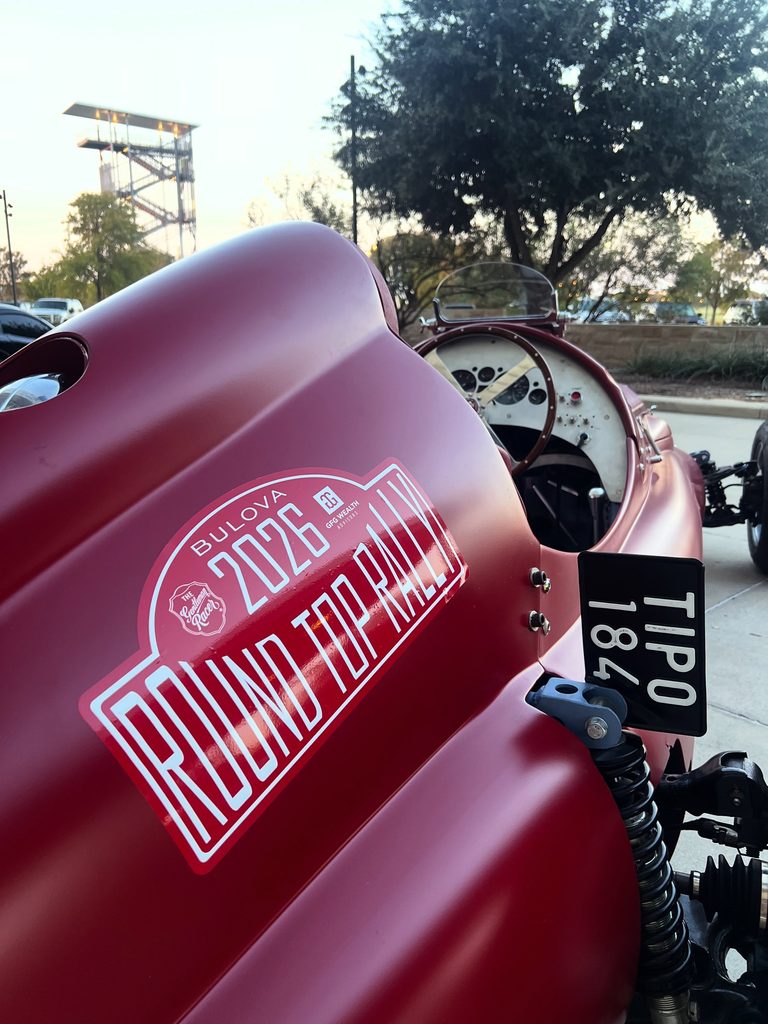
A Car That Demands Your Attention
Of course, the Tipo 184 is not without compromises. The single-seat cockpit means there is no room for a passenger, and storage space is nonexistent, with the exception of a small space behind the seat where you can drop a small bag. The exposed driving environment also means the car is best enjoyed in favorable weather.
Rear visibility is another consideration. During the rally, the lack of mirrors made it harder to keep track of traffic behind me. The unusual gearshift arrangement, narrow cockpit, and vintage seating position also require some acclimation. There is little conventional comfort or convenience, and anyone expecting the refinement of a modern Mazda MX-5 will quickly discover that the Tipo offers a very different experience.
Then there is the issue of safety. Although the design incorporates a tubular chassis and integrated rollover protection, the Tipo is fundamentally an exposed, lightweight sports car without the comprehensive passive and active safety systems found in modern production vehicles. The open cockpit and vintage-inspired design require the driver to approach the experience with appropriate respect. But most of these limitations are part of the car’s identity.
The Tipo 184 was never intended to replace a daily driver or compete with a modern grand touring car. It exists to provide a particular kind of motoring enjoyment, one where the machinery, the environment, and the driver remain closely connected. On the right road, at the right time, with a Pacto helmet and some stringback driving gloves, the Tipo 184 is difficult to beat.
Can You Build Your Own Tipo 184?
One of the most interesting aspects of the Tipo 184 is that it was designed from the beginning as a car enthusiasts could build themselves. Unlike many specialty sports cars that require highly specialized fabrication or proprietary mechanical systems, the Tipo makes extensive use of readily available Mazda components.
The original concept called for builders to source a compatible second-generation Mazda MX-5, remove the necessary mechanical assemblies, and install them into the purpose-built Tipo chassis. Dowsetts designed the system to simplify the process, with the donor car’s suspension subframes attaching directly to the new chassis.
The conversion package includes the bodywork, exhaust components, cooling system, steering arrangement, and other specialized parts. Published estimates generally place assembly time at about 150 to 200 hours, although the actual investment depends heavily on the builder’s experience and the condition of the donor car.
The concept is appealing because it lets an enthusiast participate in creating the vehicle rather than simply buying a finished product. There is also something appropriate about building a car inspired by the golden age of motorsport using traditional mechanical skills.
For those who prefer to skip the fabrication and assembly process, professionally completed examples have also been offered.
Pricing has evolved considerably since the initial launch. Early reports placed complete kit packages near $27,000, while a 2025 Bonhams listing referenced a complete kit price of $51,000. Professional assembly, donor vehicle preparation, transportation, and registration can substantially increase the final cost.
Prospective buyers should seek an updated quotation rather than relying on historical launch prices. American buyers must also consider state-specific registration, inspection, insurance, and road-use requirements for specially constructed vehicles.
Why We Need More Kit Cars
The modern automotive industry is moving toward increasingly sophisticated vehicles with more technology, more power, and more electronic intervention. That progress has its place. Today’s sports cars offer extraordinary performance, reliability, and safety. But there is also an argument for preserving simpler forms of motoring, the experience of building and maintaining a car yourself, and the joy of driving in its purist form.
The Tipo 184 represents a philosophy that once defined the sports car: lightweight construction, mechanical simplicity, engaging handling, and a direct relationship between the driver and the road. It also makes automotive history accessible in a meaningful way. Most enthusiasts will never have an opportunity to drive an original Alfa Romeo 158. The cost, rarity, and historical significance of those machines place them beyond the reach of ordinary drivers.
The Tipo cannot recreate the power or precise mechanical character of the original supercharged straight-eight Grand Prix car. Nor does it pretend to. Instead, it captures enough of the proportions, atmosphere, and driving involvement to give enthusiasts a glimpse of what made that era special. It also lets you enjoy that experience without the anxiety of operating an irreplaceable piece of racing history. For me, that is the Tipo 184’s greatest achievement.
After spending the day driving the Tipo 184 through the Texas countryside during the Round Top Rally, I came away genuinely impressed. It would have been easy for this car to be little more than a beautifully styled curiosity, something better suited to being displayed at a car show than driven over rural roads.
Instead, it proved to be a thoughtfully engineered, well-balanced, and exceptionally entertaining sports car. The handling was excellent, the mechanical package felt properly developed, and the experience reminded me why lightweight, uncomplicated cars remain so appealing. It also drew attention everywhere we stopped, often from people who had no idea what they were looking at but immediately recognized that it was something special.
That combination of beauty, history, and genuine driving enjoyment makes the Tipo 184 one of the more memorable cars I have driven. Most people don’t need a single-seat, open-wheel, vintage Grand Prix-inspired kit car in their garage. But after driving one, I can certainly understand why someone would want one. And that may be the best argument of all for the Tipo 184.
Tipo 184 Quick Facts
| Specification | Details |
|---|---|
| Manufacturer | Dowsetts Classic Cars |
| Design and development | Ant Anstead and Darren Collins |
| Vehicle type | Grand Prix-inspired single-seat kit car |
| Design inspiration | Alfa Romeo Tipo 158 Alfetta |
| Donor vehicle | Second-generation Mazda MX-5 Miata (NB) |
| Engine | 1.8-liter naturally aspirated inline-four |
| Horsepower | Approximately 140 hp |
| Transmission | Five-speed manual |
| Drivetrain | Rear-wheel drive |
| Chassis | Bespoke tubular steel spaceframe |
| Suspension | Mazda MX-5-derived independent suspension with bespoke components |
| Braking system | Mazda MX-5-derived |
| Weight | Approximately 1,650 pounds (750 kg) |
| Seating | One |
| Bodywork | Vintage Grand Prix-inspired composite panels |
| Original kit pricing | Approximately £20,000 at launch, depending on package |
| Later reported kit pricing | £38,000 plus VAT, according to a 2025 auction listing |
| Road legality | Depends on vehicle configuration and local registration requirements |
Specifications represent published figures for typical Tipo 184 builds. Individual vehicles may differ according to donor components, assembly, and modifications. Historical prices are not current quotations.
Frequently Asked Questions About the Tipo 184
What is the Tipo 184?
The Tipo 184 is a single-seat, Grand Prix-inspired kit car developed by Ant Anstead, Darren Collins, and Dowsetts Classic Cars. It combines styling inspired by the historic Alfa Romeo 158 with the mechanical components of a second-generation Mazda MX-5 Miata.
Is the Tipo 184 a real Alfa Romeo?
No. Although it closely resembles the legendary Alfa Romeo 158 Grand Prix racer, the Tipo 184 is an independently developed tribute rather than an original or officially manufactured Alfa Romeo racing car.
What engine does the Tipo 184 use?
The Tipo 184 uses a 1.8-liter, naturally aspirated, four-cylinder engine sourced from a second-generation Mazda MX-5 Miata. Standard configurations produce approximately 140 horsepower, although output can vary depending on the engine and modifications.
How fast is the Tipo 184?
Published figures for individual builds suggest a 0-60 mph time of approximately 5.5 seconds. Performance varies with the engine specification, tires, gearing, and vehicle weight. The Tipo’s greatest appeal is its handling and driver involvement rather than outright acceleration.
How much does a Tipo 184 cost?
Pricing depends on whether the buyer purchases a kit, undertakes the assembly, or acquires a professionally completed car. Early complete kits were reported around $27,000, while a 2025 listing referenced $51,000 plus VAT for the kit alone. Donor cars, assembly, shipping, and registration are additional considerations.
Is the Tipo 184 street legal in the United States?
Potentially, depending on the state and individual vehicle. Road-legal examples have been registered in the United Kingdom, but American buyers need to verify the requirements for specially constructed or assembled vehicles in their respective states. UK road approval does not automatically establish US road legality.
Can you build a Tipo 184 at home?
Yes. If you can find one. The Tipo 184 was designed for mechanically experienced enthusiasts to assemble using a donor Mazda MX-5 and a purpose-built conversion kit. Published estimates suggest about 150 to 200 hours of assembly, though you may need more time for refurbishment, preparation, and troubleshooting. However, the kit is no longer in production.
Why is it called the Tipo 184?
The name references the original Alfa Romeo Tipo 158, which used a 1.5-liter eight-cylinder engine. The Tipo 184 instead uses a 1.8-liter four-cylinder Mazda engine, giving the car its distinctive name.
Who designed the Tipo 184?
The Tipo 184 was developed by British automotive television personality Ant Anstead in collaboration with engineer Darren Collins and Dowsetts Classic Cars.
Is the Tipo 184 worth buying?
For an enthusiast seeking a lightweight, unusual, and engaging weekend sports car, the Tipo 184 offers something few conventional vehicles can match. Its limited practicality, exposed cockpit, and specialized construction make it a poor choice for everyday transportation, but its handling, distinctive appearance, and historic character make it exceptionally appealing as a recreational driving machine.