

 Michael Satterfield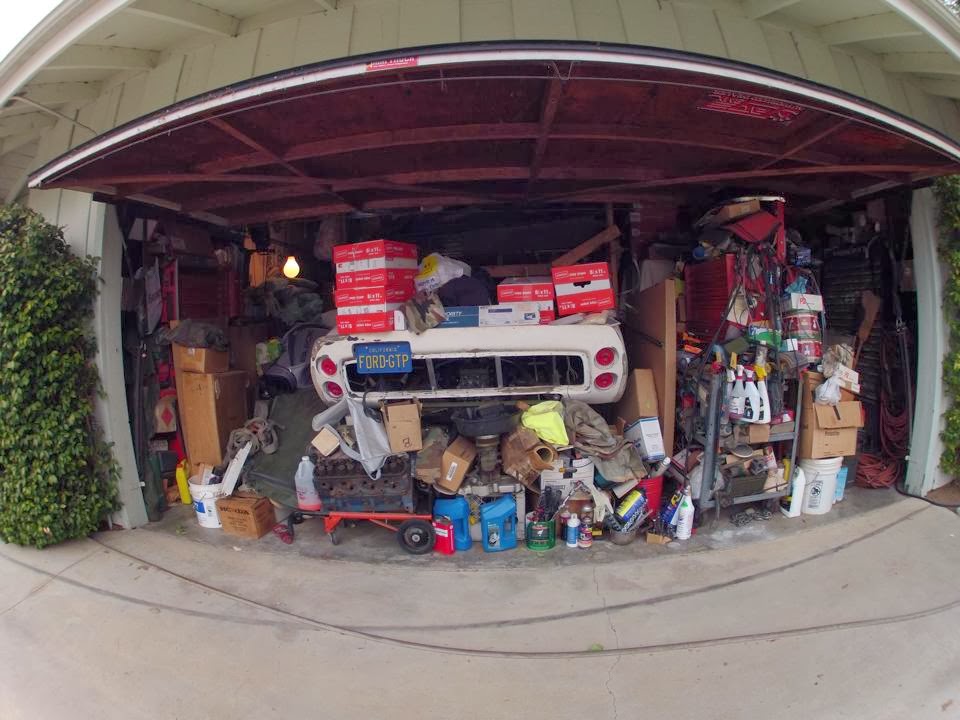
A Garage Find for the Ages
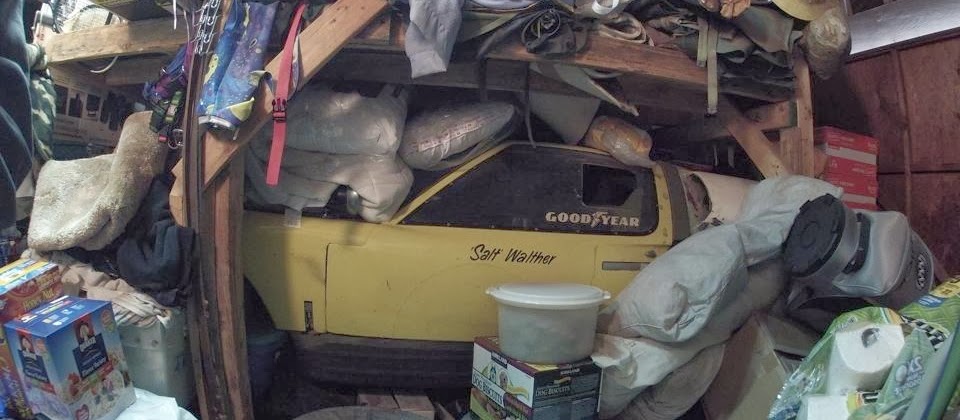
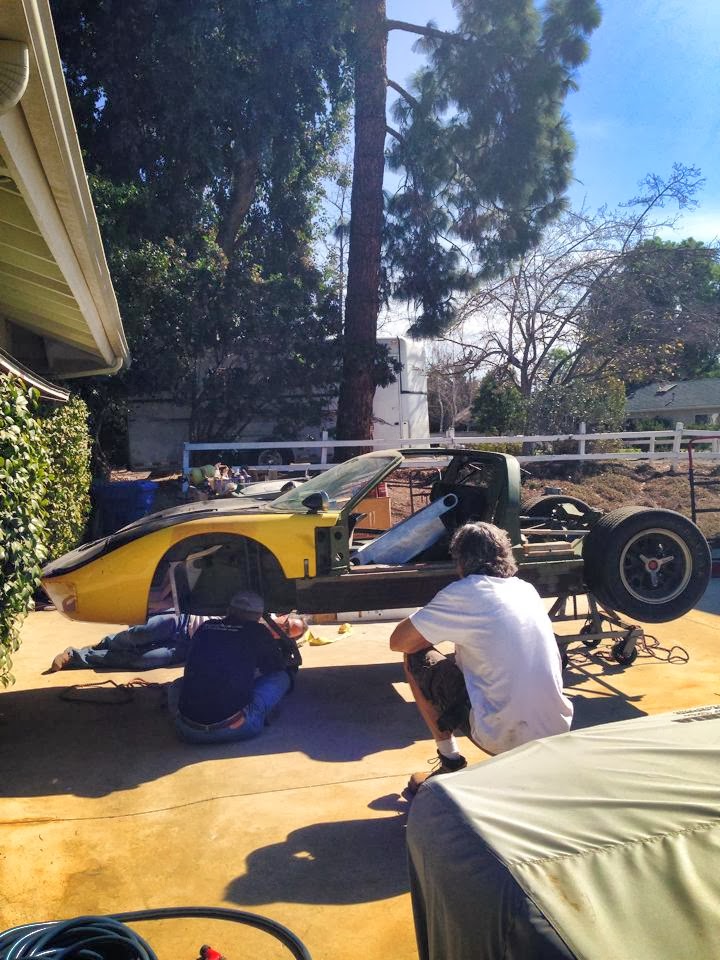
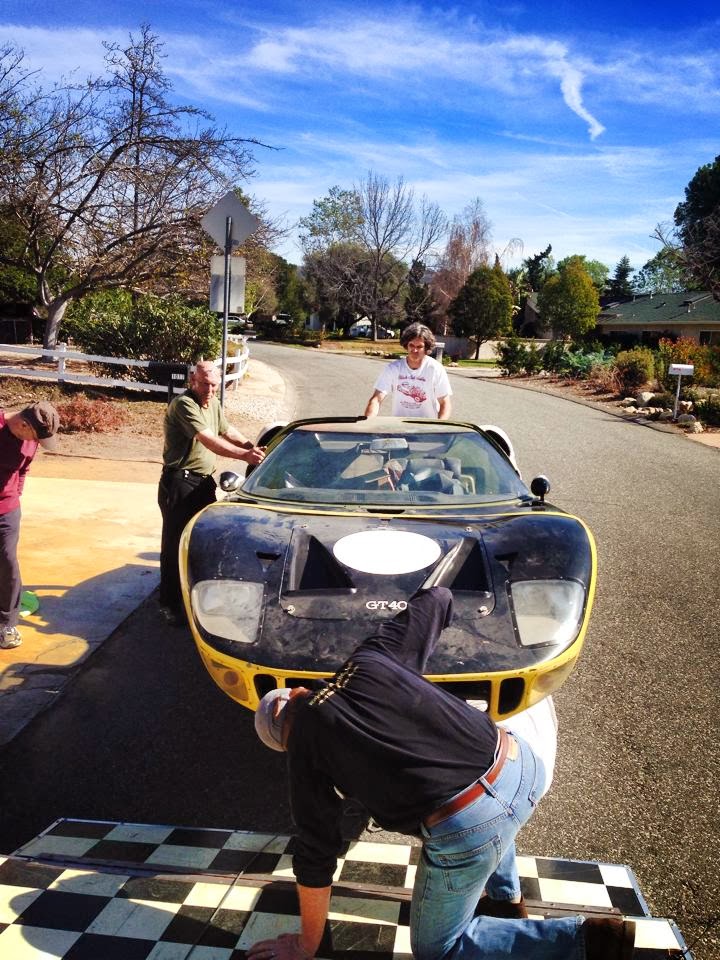
If you were strolling through a quiet neighborhood in Thousand Oaks, California, and caught a glimpse of the tail of a Ford GT40 peeking out beneath dusty tarps and household clutter, you might assume it was a half-finished kit car project, another abandoned dream collecting cobwebs. But you’d be wrong.
What lay hidden in that suburban garage was no replica. It was GT40 chassis P/1067, one of the rarest survivors of Ford’s legendary endurance racing program. Tucked away since the late 1970s, it had quietly slumbered while the world around it forgot.
The Ford GT40: Born from Rivalry
To understand why this car matters, rewind to the mid-1960s, when Henry Ford II, stung by Enzo Ferrari’s last-minute rejection of a corporate buyout, vowed revenge the only way a proper gearhead could: by building a car to beat Ferrari at its own game, the 24 Hours of Le Mans.
The result was the Ford GT40, a low-slung, fire-breathing racer designed to break Maranello’s grip on the world’s most prestigious endurance race. And it did, four times in a row, from 1966 to 1969.
But among the many GT40s built for that mission, chassis P/1067 carved out its own unique niche.
The Singular P/1067
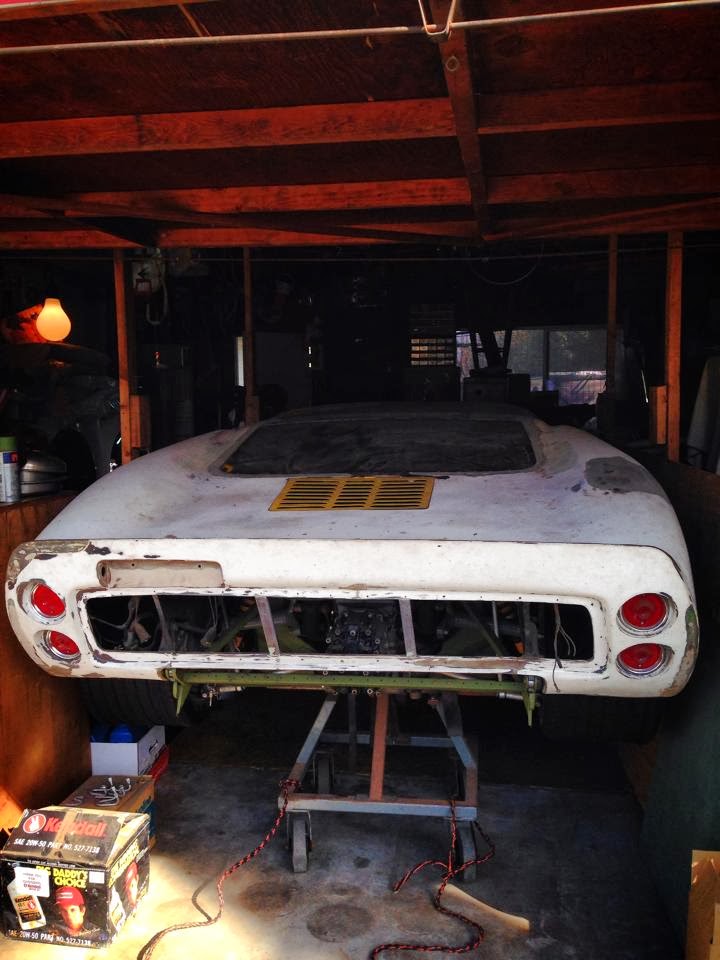
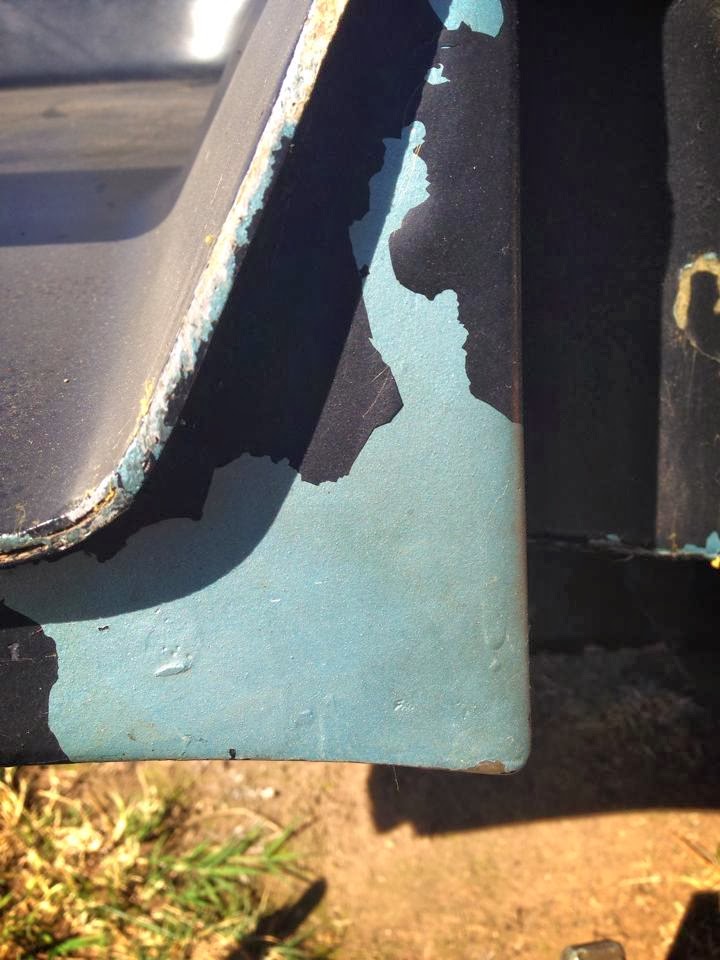
Completed on December 23, 1966, P/1067 was the final GT40 built that year. A Mk I model with a factory-installed Mk II rear clamshell, a configuration shared by only two other cars, it remains the only survivor to retain that rare feature. Originally finished in a subtle light metallic blue, it was sold new to Doug Schultz of Elmwood Park, Illinois.
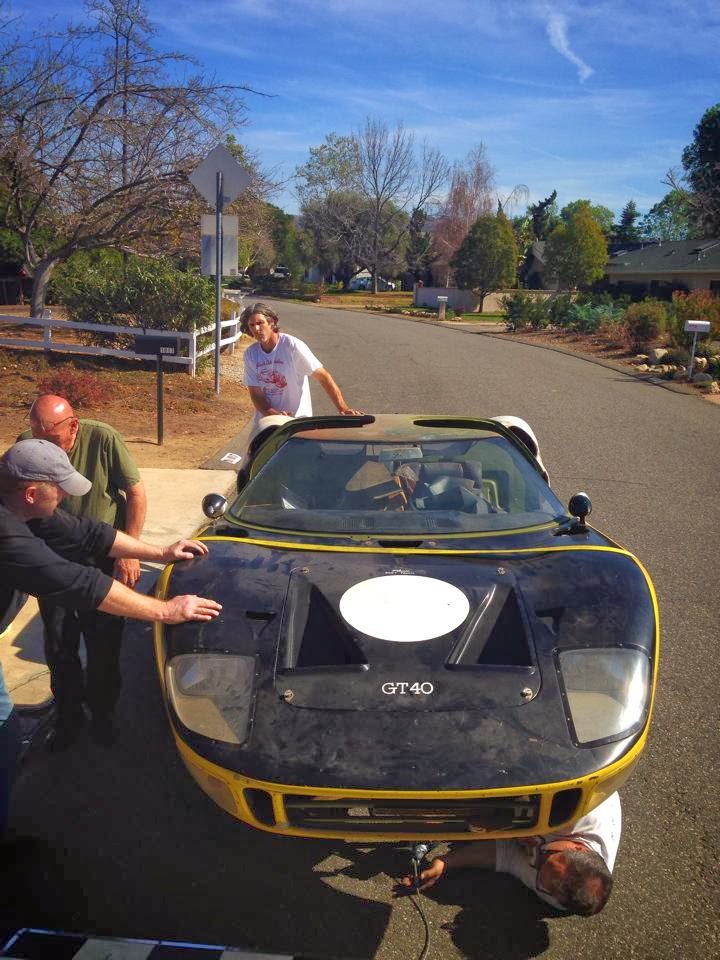
Over the years, the Ford GT40 passed through several owners, including racer Jim Scott, who gave it a bold yellow and black paint job and fitted it with Halibrand wheels to boost its on-track presence. Then came George Walther, father of Indy 500 driver Salt Walther, who converted the car to resemble the Daytona-winning Mk II with racing roundels and the now-iconic No. 98 livery.
A Racing Life Paused
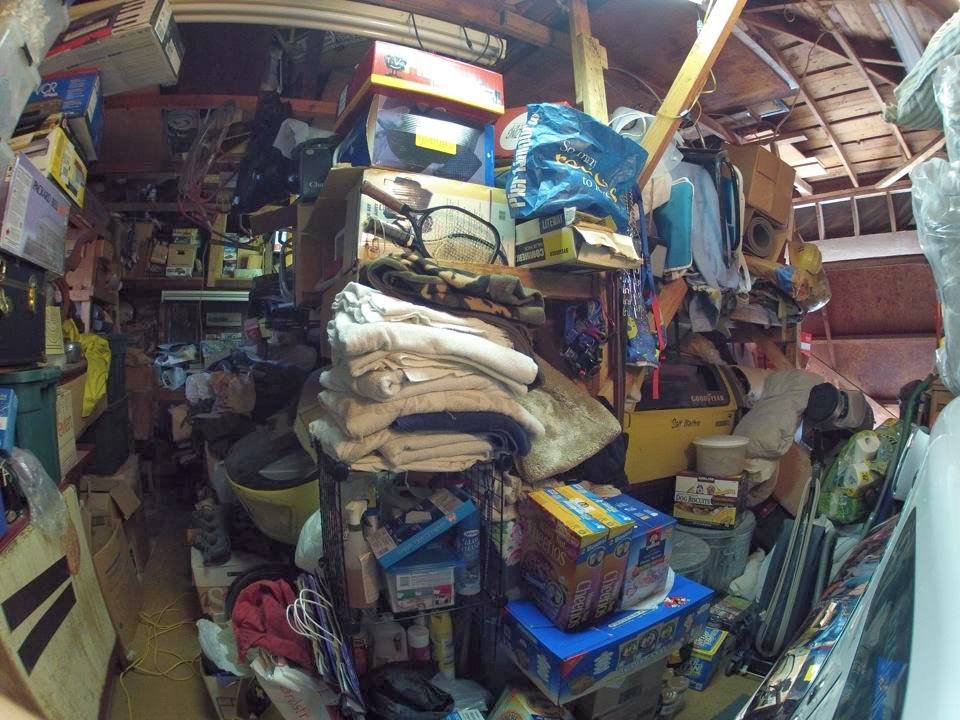
In 1975, the Ford GT40 found its way to Dennis Murdoch, a retired firefighter who continued racing it until 1977. That year, a mechanical failure sidelined the car. Murdoch started repairs but suffered an injury that forced him to abandon the project. What began as a temporary pause became decades of storage. The car was buried beneath a sea of tools, tarps, and garage miscellanea, its legendary silhouette hidden in plain sight.
Aside from whispers among a few insiders and stories told at car shows, the world had forgotten P/1067.
Rediscovery
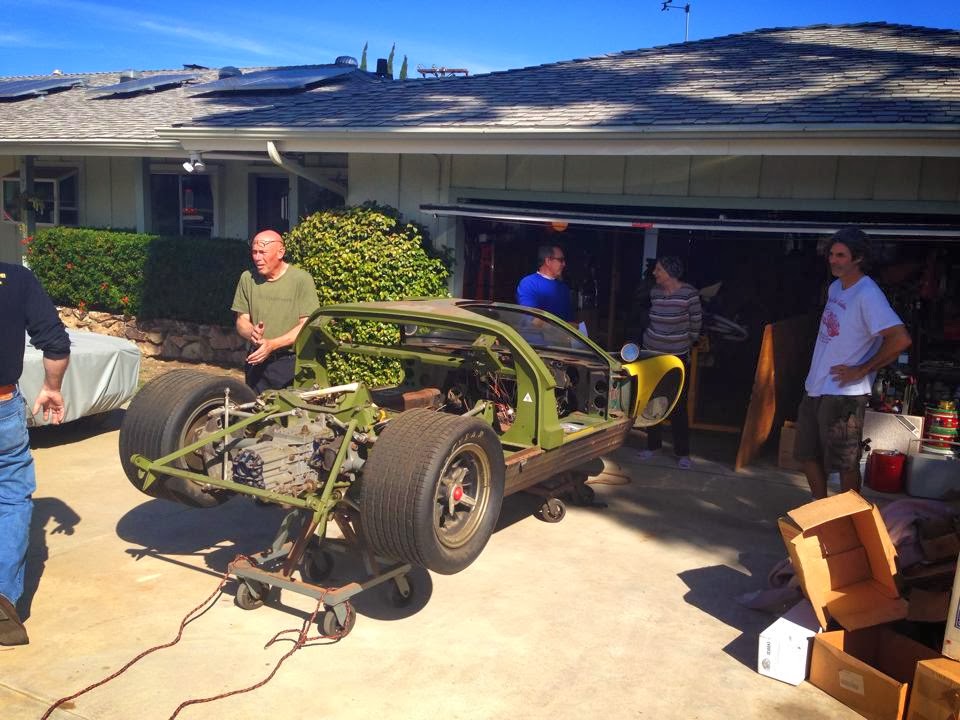
That year, collector Tom Shaughnessy got a tip from his son John, who’d met Murdoch at the Friends of Steve McQueen Car Show. Sensing a once-in-a-lifetime find, Shaughnessy spent nearly a year building a relationship with Murdoch before the deal was finally struck.
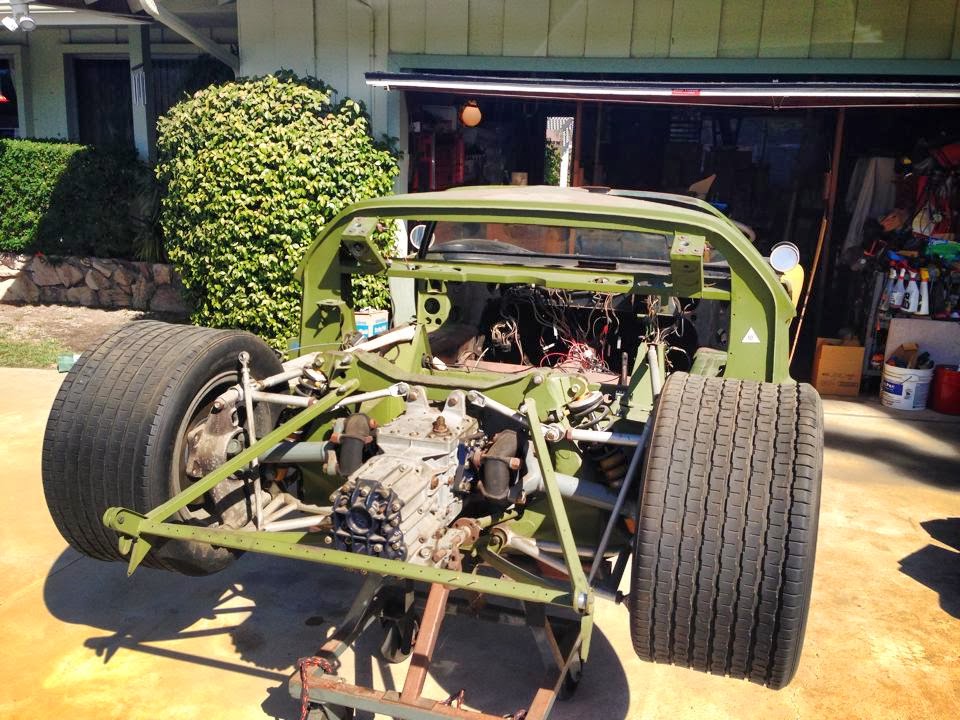
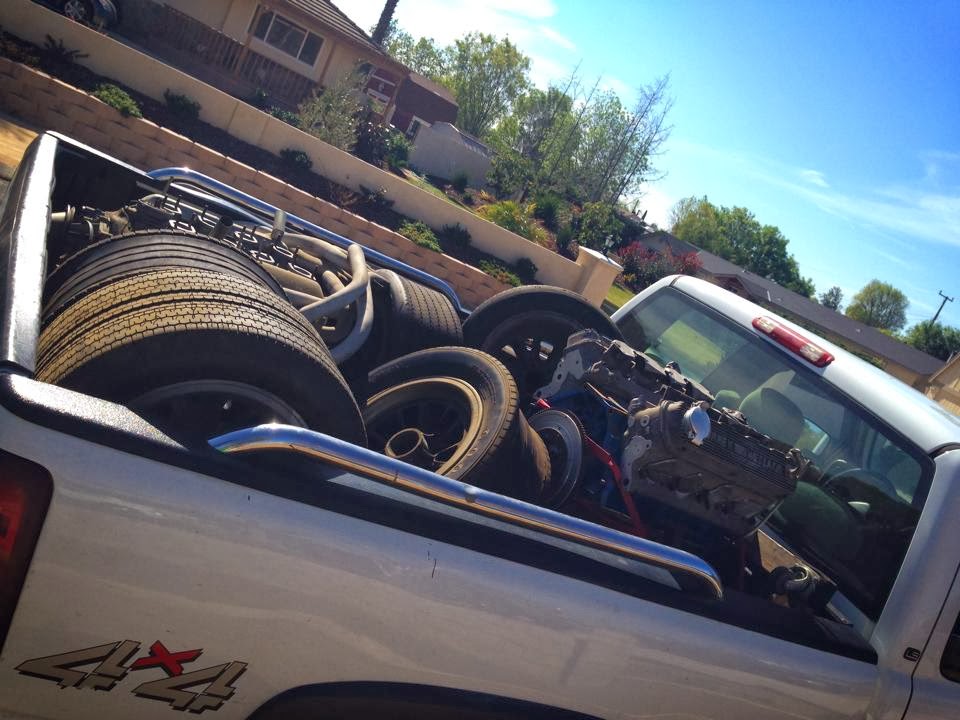
When the garage door creaked open, what they found was astonishing: the Ford GT40 remained largely intact, complete with its original chassis, drivetrain, and a Gurney-Weslake 302 engine under the rear clamshell, exactly the kind of period-correct detail that excites concours judges and vintage racing aficionados alike.
To Restore or Preserve?
With the car now in his care, Shaughnessy faced a dilemma: should he restore P/1067 to its original light blue showroom condition or preserve the modifications made during its racing years?
He leaned toward honoring its full history, not just its birth certificate, but also the stories it had picked up along the way. “I drive all my cars,” Shaughnessy told Hot Rod Magazine. “I have no room in my garage for Easter eggs.”
The restoration of a Ford GT40 is no small feat. Every detail, from period-correct rivets to authentic rubber components, must be sourced or fabricated. But done right, it doesn’t just restore a car, it revives a chapter of motorsport legend.
Back Into the Light
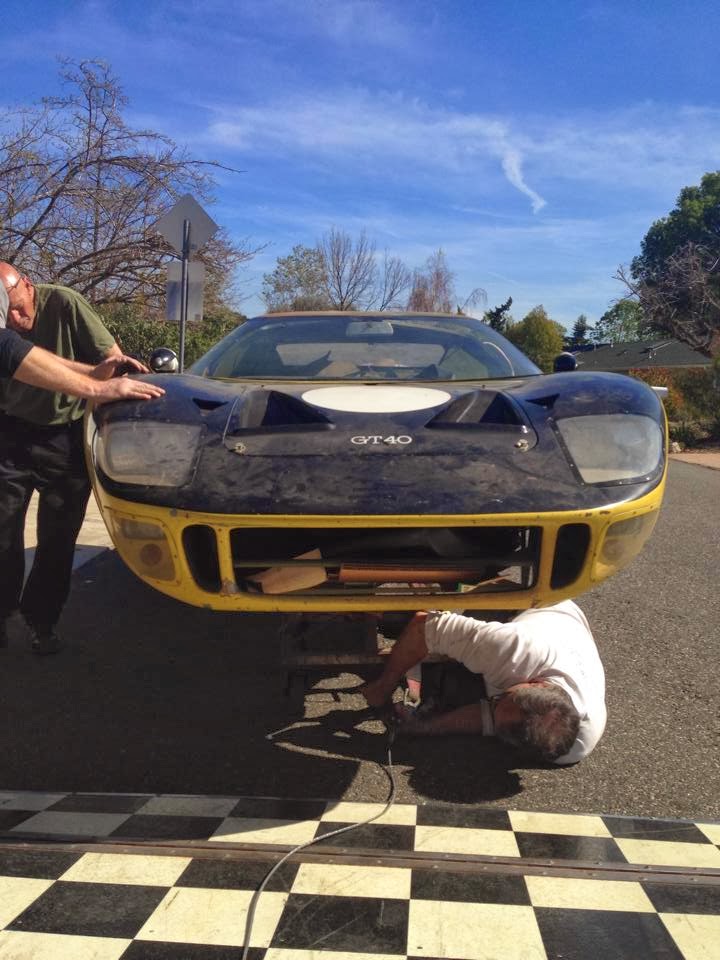
Today, P/1067 stands as a symbol of what makes car culture magical. Not just the engineering or the racing provenance, but the stories. The human moments. The forgotten garage. The years of silence followed by the thrill of rediscovery.
This isn’t just another Ford GT40. It’s the last GT40 built in 1966. The only one with its factory Mk II clamshell still intact. The one that raced, rested, and now, at last, will roar again.
Quick Facts: Ford GT40
- What it is: A legendary mid-engine endurance racing car developed by Ford in the 1960s to beat Ferrari at the 24 Hours of Le Mans.
- Name meaning: “GT” for Grand Touring and “40” for the car’s approximate height in inches at the windshield.
- Production era: Built from 1964 until 1969, with about 100 cars of all variants produced.
- Historic mission: Designed to end Ferrari’s domination of Le Mans and World Sportscar Championship racing in the 1960s.
- Le Mans success: GT40s won the 24 Hours of Le Mans four consecutive years from 1966 through 1969.
- Chassis spotlight: The story’s featured car, GT40 chassis P/1067, is one of the rare survivors from the era and notable for its factory Mk II-style bodywork combined with period racing history.
- Cultural legacy: The GT40 story and its Le Mans victories were featured in the movie Ford v Ferrari, highlighting the Ford-Ferrari rivalry.
FAQ
What was the Ford GT40 designed for?
The Ford GT40 was developed in the 1960s specifically to compete in international endurance racing and defeat Ferrari at Le Mans.
Why is it called the “GT40”?
“GT” stands for Grand Touring and “40” refers to the car’s roof height measured in inches, a design driven by racing rules.
When did the GT40 win at Le Mans?
The GT40 famously won the 24 Hours of Le Mans four years in a row: 1966, 1967, 1968, and 1969.
How many GT40s were built?
Approximately 100 Ford GT40s of all variants were produced during the original program from 1964–1969.
What makes chassis P/1067 special?
Chassis P/1067 is a rare survivor from 1966, notable for its history, original components, and combination of Mk I and Mk II body elements.
Is the GT40 still influential today?
Yes. The GT40’s history continues to influence modern performance cars and motorsport culture, and remains iconic in automotive history.
Photos Courtesy of John Shaughnessy












If this was pulled out of the garage in 2014, why no pictures of the restored vehicle?
This story is from 2014 when the car was originally found.
Google floated this story to me today, April 24, 2025. With a timestamp of “1 day ago.”
Strange, it must have gotten reindexed. We migrated the site to a new platform earlier this year and it has been getting slowly back up to speed.
Incredible! Very cool to see this and Salts name on the car.
Well, let’s get the rest of the story!
https://www.instagram.com/p/DCkAHaKSPWn/?igsh=NGQ4YnVrZjNxbnEy
Ask and you shall receive. This is a link to Canepa Collector Cars Instagram post from November of last year. It show before and after photos of the concours restoration they did to P/1067.
I totally agree, it’s been 11 years now and still no update on the final restore?? Why?? Seems kinda senseless to have a before ( a great find ) story if there is not going to be a great resurrection and restore ending…. Let’s see the final chapter of this fairytale story….
Good GAWD , I passed by this house countless times taking my kids to school
. Who knew
Looking forward to hearing the continued progress on P/167 with pictures thank you
P/1067
What happened to finishing what you start? Did she get finished or is she being held hostage for another 30 year’s I would love to have it
https://www.canepa.com/1966-ford-gt40-p-1067/
It’s a Curious thing, any updates? Or fades to area 51 of cars for 40 years again .
I first saw this car on my walk to school as a nine year old. The garage door was often open. There was also a white and blue GT350 sitting on mag wheels in the driveway. This was back in 1978. My dad moved the family from Los Angeles to the Thousand Oaks that year.
Looks like a Big P O S to me.
I feel like the hook has been set but the fish hasn’t been landed yet. Please follow up this story with a true ending. I have loved this car for many years and am anxious, like everyone else, to see the completed project. David B
Plus the rest of the car
You are not a car person in the slightest meaning of the word. You are voted in for the most ignorant reply
I agree with Tim Cross. Where’s the refinished product? Few people are interested in a heap of rusty nuts and bolts…
https://www.canepa.com/1966-ford-gt40-p-1067/
1966? Why a 302? Shouldn’t it be a 289 or maybe a 427?
It would have originally left the factory with a hi-po 289. The Gurney-Weslake 302 engine was installed when it was later used as race car.
This is an incredible piece of history. I am very excited about this discovery
I remember seeing it in Walther’s Marina showroom, in West Carrollton, Ohio. Late sixties, maybe early seventies. Salt (David) Walther had several cool cars on display there.
Some car people are interested in this kind of stuff some not if not why make a snide comment move on .
Well so about 8 of you seem to have a reading problem if you would have read any of the first 5 comments or so you would have learned the final purchasers name saw the car complete and restored to the exact way it was as it left Shelby American via Dearborn Mi. As usual Bruce’s work is perfect. I’m still baffled at the lack of effort and just ignorance to not have read any of the posts and not only that but ignored the links one to Instagram and the other to the owners website. You just ignore those and complain to the author of this article that there isn’t a update blah blah blah. Like a bunch of babies crying to mamma about not getting a sippy cup of juice. Meanwhile your crying has blurred your vision to see your sippy cup on the table in front of you. If I was the author I would seriously consider pulling the links to see it. Due to your laziness and whining attitudes Read guys that’s what you have eyeballs for. Go back to the top and read the other comments and when you see a link click it and you can have your juice. Jeeze…. 😤
Well said,Great to see this wonderful piece of history back up and running again. I hope to see it circling Road America this Summer. Hopefully the 302 Gurney motor will be powering it. What a sound!