

 Michael Satterfield
For years, the Subaru Outback occupied one of the rarest spaces in the American car market: the station wagon. It was not trying to be a truck. It was not pretending to be a luxury SUV. Durable, useful, and ready to get muddy without needing explanation. The Outback Wilderness takes that to the next level by giving drivers the option of a trail-ready Subaru.
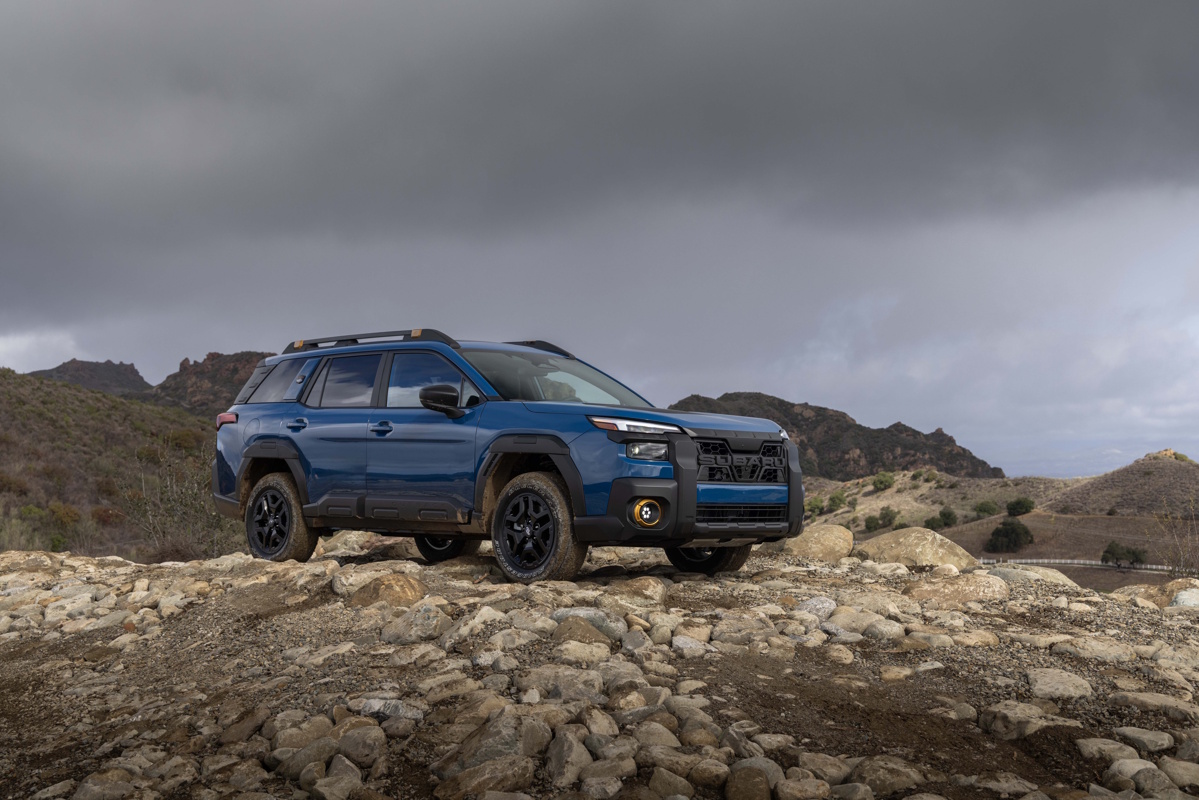
For 2026, Subaru has moved the Outback deeper into SUV territory. The shape is boxier, the stance is more upright, and the Wilderness model leans into the change with chunky cladding, copper accents, tougher bumpers, 17-inch wheels, all-terrain tires, and the kind of trail-ready bodywork that tells the neighbors you own at least one Yeti cooler. The old Outback’s wagon silhouette is mostly gone, and that will bother some loyalists. But judged as a practical adventure SUV, the new Outback Wilderness makes a strong case for itself.
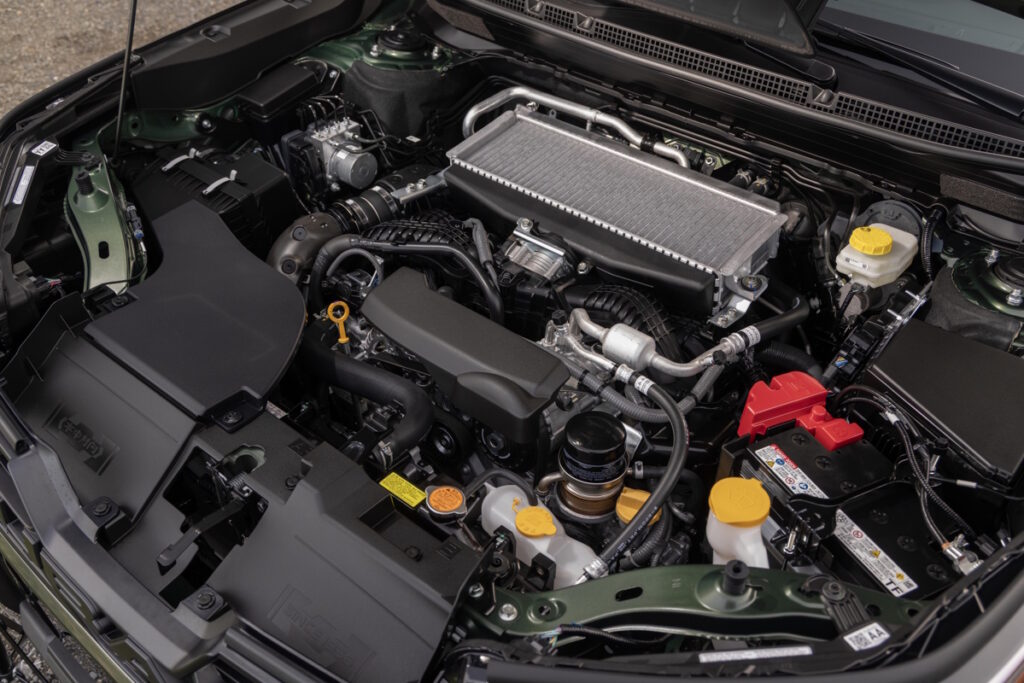
The Wilderness is the most capable version of the new Outback lineup, and Subaru gives it the powertrain it needs. Under the hood is the familiar turbocharged 2.4-liter flat-four producing 260 horsepower and 277 lb-ft of torque. It is paired with a CVT, which remains a Subaru hallmark and, depending on your tolerance for simulated gear changes, either a reasonable efficiency play or the automotive equivalent of decaf coffee. Still, the turbo engine gives the Wilderness the kind of useful low-end torque that matters in real-world driving. Passing on two-lane roads, climbing grades, and carrying a full load of people, dogs, gear, and snacks all feel well within its mission.
Subaru Outback Wilderness Performance
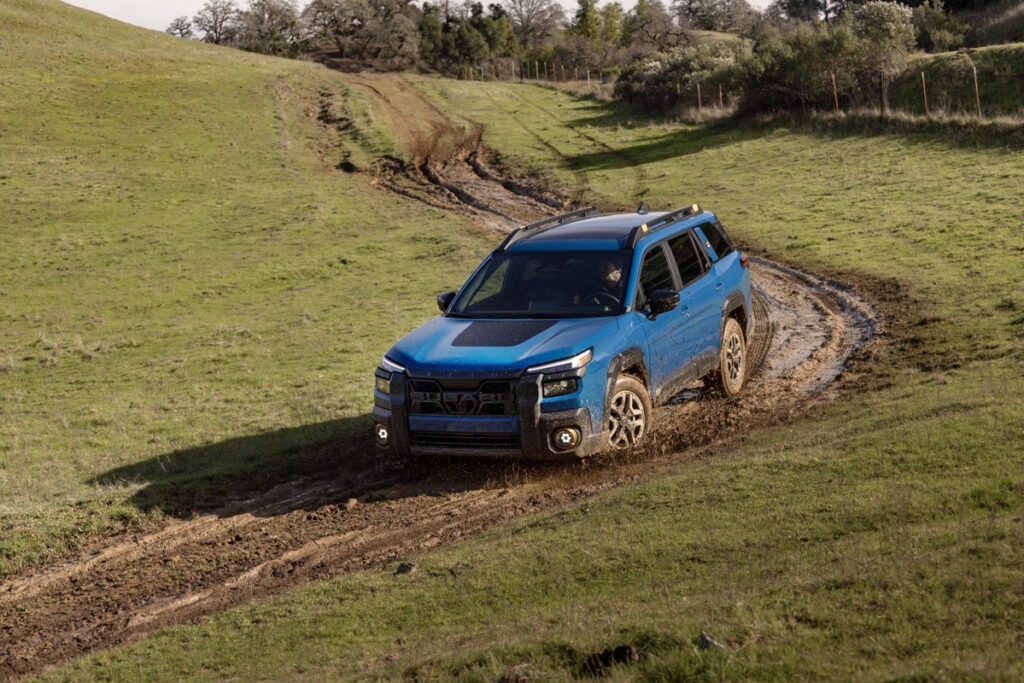
Performance is stronger than the Outback’s outdoorsy image might suggest. Independent testing has placed the 2026 Outback Wilderness at around six seconds to 60 mph, which is genuinely quick for this segment. Nobody is confusing this for a WRX, but the Wilderness has enough punch to keep daily driving from feeling dull. The bigger improvement, however, is not straight-line speed. It is the way the new chassis handles rough pavement and light off-road work.
The headline upgrade is Subaru’s new electronically controlled suspension. Previous Outbacks had plenty of grip and confidence, but they could feel soft, floaty, and vague when pushed. The 2026 Wilderness feels like Subaru finally gave the Outback a better set of hiking boots. The suspension can soften over rough ground and firm up when the road begins to twist, giving the Wilderness better body control without ruining the comfortable ride that buyers expect. This matters because most Wilderness owners will spend far more time on broken pavement, gravel roads, ranch lanes, and snowy highways than crawling over boulders.

Off-road, the numbers are legitimately useful. The Wilderness offers 9.5 inches of ground clearance, better approach and departure angles than the standard Outback, all-terrain tires, hill-descent control, and Subaru’s dual-mode X-Mode system with settings for Snow/Dirt and Deep Snow/Mud. This is not a Jeep Wrangler rival, and Subaru owners should resist the urge to make Instagram decisions in places better suited to locking differentials and recovery boards. But for forest roads, muddy trailheads, snow-packed passes, wet fields, and the kind of unmaintained roads that lead to good fishing spots, the Outback Wilderness is more than a costume.
That has always been the secret of the Outback. It is not built for people who want to perform adventure. It is built for people who need a vehicle that works when the weather turns rotten or the pavement ends. The Wilderness simply turns that attitude up a few clicks.

Inside the Outback Wilderness
Inside, the 2026 redesign brings one of the biggest improvements: technology that no longer feels like it was designed during a lunch break. The new 12.1-inch horizontal touchscreen replaces the old vertical-style display, and it is paired with a 12.3-inch digital instrument cluster. More importantly, Subaru has brought back useful physical climate controls. That may not sound exciting, but anyone who has tried to change fan speed on a touchscreen while bouncing down a washboard road knows that buttons are civilization.
The cabin itself is more spacious and more polished than before. Cargo room improves, headroom is better, and available premium features push the Wilderness closer to the upper end of the mainstream SUV market. Depending on options, buyers can get features like ventilated seats, a moonroof, a 360-degree camera system, navigation, and Nappa leather. That last bit still feels a little odd in an Outback Wilderness, like seeing a ranch dog wearing cufflinks, but it speaks to where the market has gone. Buyers want rugged capability, but they also want comfort on the drive home.
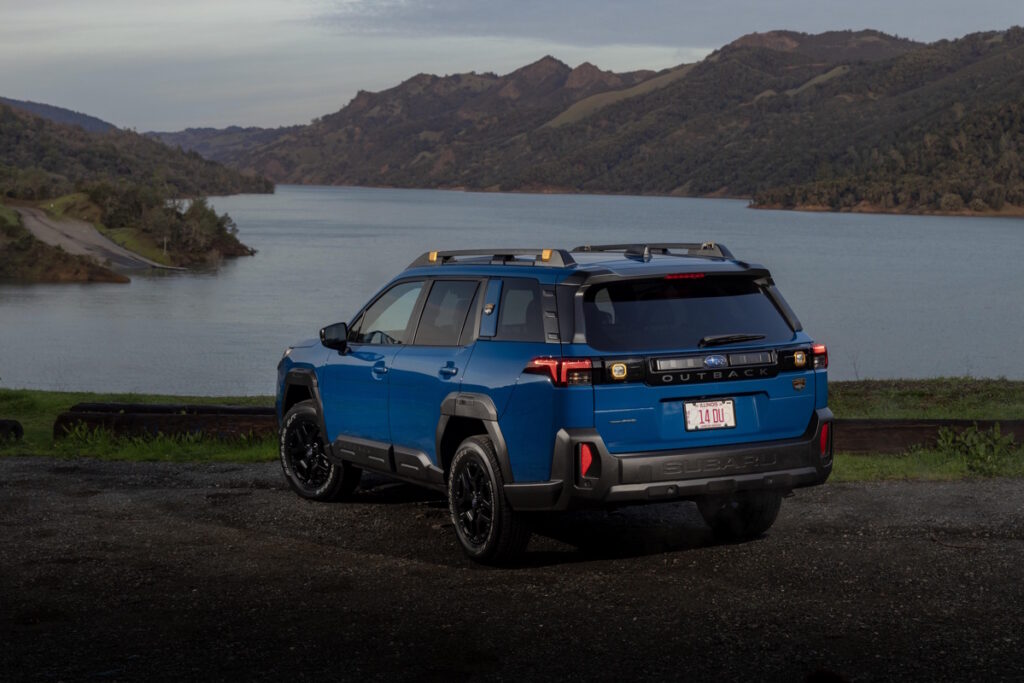
Fuel economy is rated at 21 mpg city, 27 mpg highway, and 23 mpg combined. That is not hybrid territory, but it is respectable for an all-wheel-drive, turbocharged, off-road-focused midsize crossover. The 3,500-pound towing rating also gives it enough capability for small campers, utility trailers, motorcycles, and outdoor gear.
There are drawbacks. The styling is busy, especially up front, where the cladding and grille treatment will not be for everyone. The CVT still lacks the crispness of a conventional automatic. The active safety systems, while welcome on the road, can require some management off-road. And the move away from the classic wagon look means the Outback now competes more directly with a crowd of crossovers rather than standing apart from them.
But that may be the point. Subaru knows its buyers. They want reliability, all-weather confidence, practical space, dog-friendly materials, safety tech, and enough trail credibility to reach the good campsite before everyone else. The 2026 Outback Wilderness delivers exactly that.
The old Outback was a wagon with hiking boots. The new Outback Wilderness is more of a full-on trail SUV. Some charm has been traded for capability, but the core idea remains intact. It is still practical, still approachable, still slightly quirky, and still built for people who are more interested in getting somewhere than being seen getting there.
Overall Impressions
The 2026 Subaru Outback Wilderness is the most complete version of the Outback yet. It loses some of the old wagon character, but gains better technology, improved ride control, stronger capability, and a more comfortable cabin. For buyers who need one vehicle to handle school runs, road trips, bad weather, dogs, camping gear, and the occasional muddy trail, the Wilderness remains one of the smartest choices in the segment.
Quick Facts
Vehicle: 2026 Subaru Outback Wilderness
Engine: Turbocharged 2.4-liter Subaru Boxer four-cylinder
Output: 260 hp and 277 lb-ft of torque
Transmission: Continuously variable automatic with manual shift mode
Drivetrain: Symmetrical All-Wheel Drive
Ground Clearance: 9.5 inches
Fuel Economy: 21 city / 27 highway / 23 combined mpg
Towing Capacity: Up to 3,500 pounds
Base Price: About $46,445 including destination
Best For: Outdoor families, dog owners, weekend adventurers, ski-town commuters, and people who actually use the roof rails
FAQ
Is the 2026 Subaru Outback Wilderness good off-road?
Yes, within reason. It is not a hardcore rock crawler, but with 9.5 inches of ground clearance, all-terrain tires, X-Mode, hill-descent control, and standard all-wheel drive, it is very capable on dirt roads, snow, mud, gravel, and light trails.
What engine does the 2026 Outback Wilderness have?
It uses a turbocharged 2.4-liter Subaru Boxer engine producing 260 horsepower and 277 lb-ft of torque.
How much can the 2026 Outback Wilderness tow?
The Outback Wilderness can tow up to 3,500 pounds when properly equipped.
What is the fuel economy of the 2026 Subaru Outback Wilderness?
EPA ratings are 21 mpg city, 27 mpg highway, and 23 mpg combined.
Is the 2026 Outback Wilderness worth it?
For buyers who want standard all-wheel drive, real trail capability, family-friendly space, strong safety tech, and a comfortable daily driver, yes. The Wilderness trim makes the most sense for people who actually need the added ground clearance, tires, suspension, and off-road systems.
Photos courtesy of Subaru














I will replace my current Outback with another Outback, they are really the best all around vehicle you can buy.
Enjoy every single day