
 Michael Satterfield
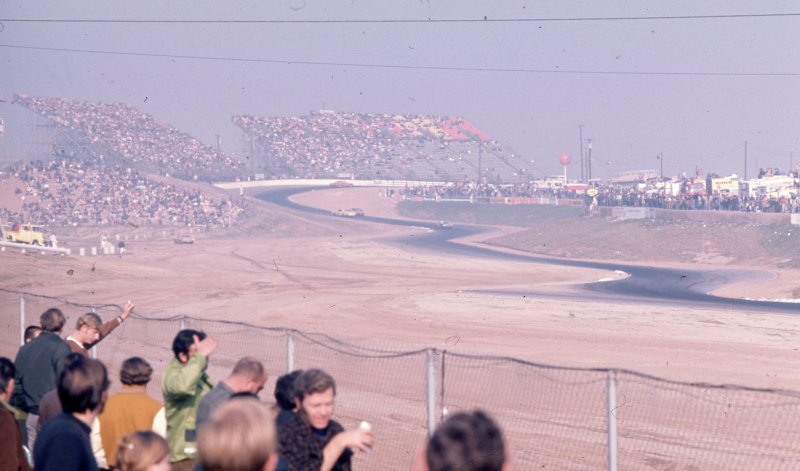
There is something magical about amateur racing photographs. Not the polished stuff. Not the factory-approved images with the perfect exposure, the clean hero angle, and the driver pretending not to notice the camera. I mean the real photographs. The ones shot from the wrong side of the fence. The ones where half the frame is sunburned spectators, chain link, a cooler, a kid in a windbreaker, and somewhere in the background, a stock car is trying to claw its way out of Turn 6. Those are the pictures that tell you what racing actually felt like.
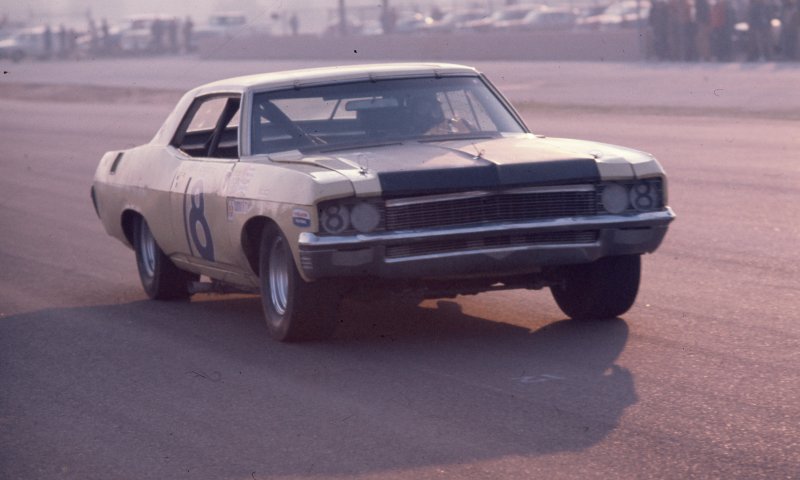
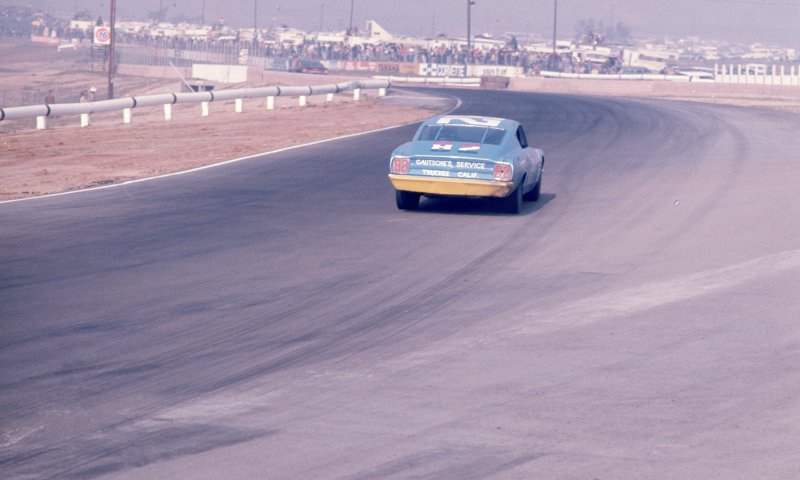
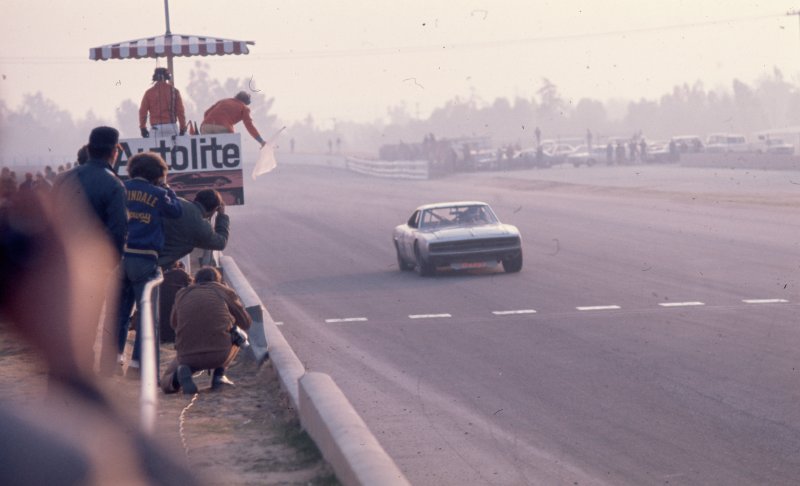
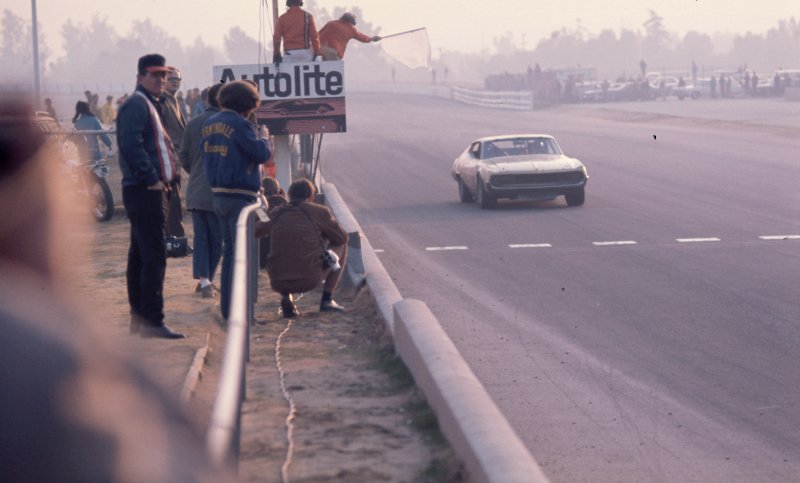
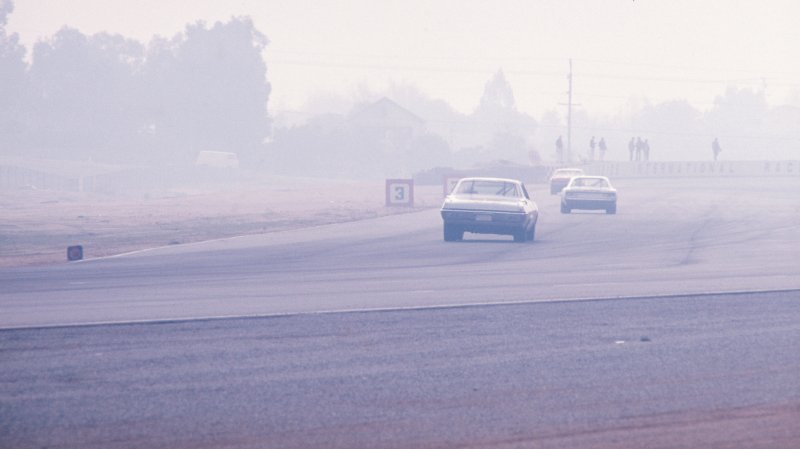
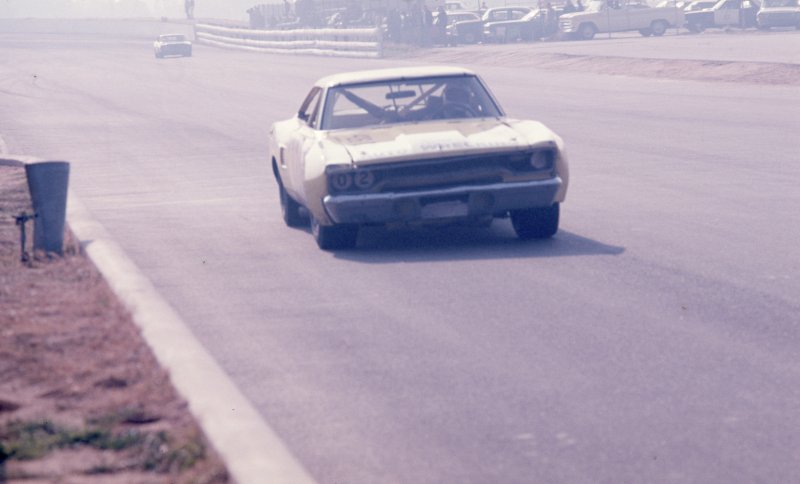
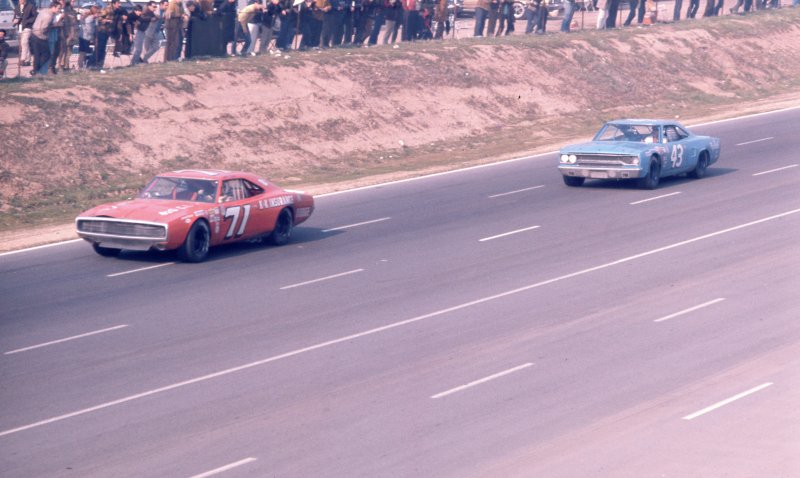
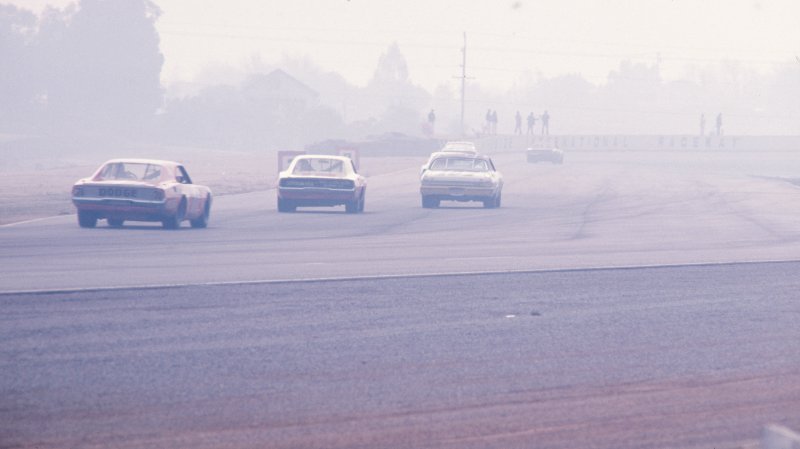
That is what makes a recently discovered collection of amateur photos from the 1971 Motor Trend 500 so compelling. They are not just images from a race. They are fragments from a vanished world: Riverside International Raceway in Southern California, January 10, 1971, when stock cars still looked like the cars parked in driveways, road racing still had a little dust on its shoes, and NASCAR was stepping into what would become its modern era.
The 1971 Motor Trend 500 was held at Riverside International Raceway in Riverside, California, on the 2.62-mile road course. It was the first race of the 1971 NASCAR Grand National season, and more importantly, the first race of what became known as the Winston Cup era after R.J. Reynolds came in as title sponsor. The race was scheduled for 191 laps, nearly 500 miles around one of America’s great road courses.
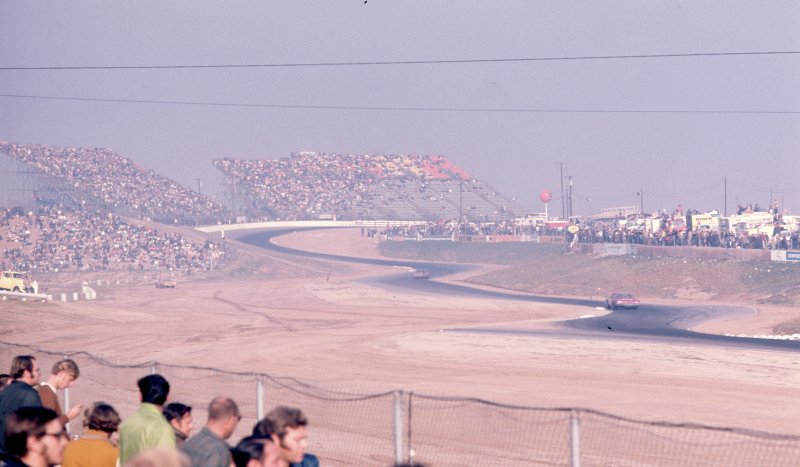
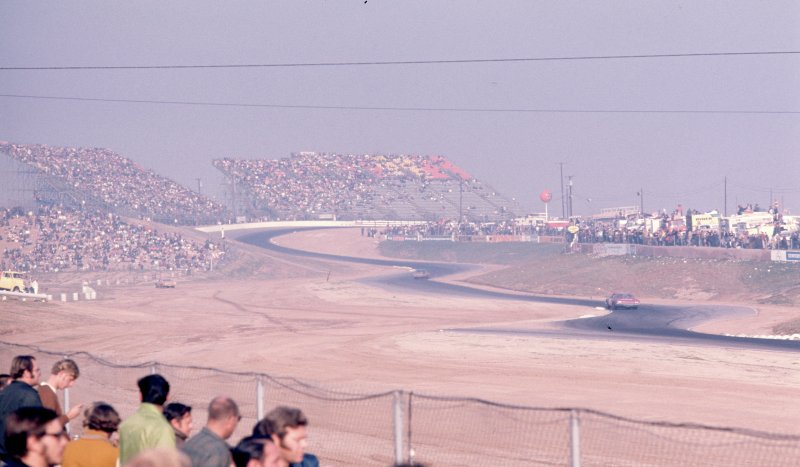
Riverside was not Daytona. It was not Charlotte. It was not Talladega. It was a road course carved into the dry Inland Empire, a place of elevation changes, braking zones, desert light, and trouble. It rewarded patience, punished mechanical weakness, and gave West Coast road racers a fighting chance against the big NASCAR names from the Southeast.
In other words, it was exactly the kind of place where a race could become a story.
Winston Cup: The First Race of a New Era
By 1971, NASCAR was changing. The old Grand National world was giving way to the Winston Cup age, a period that would shape the sport’s identity for decades. The red-and-white presence of Winston sponsorship would soon become part of the visual language of stock car racing, but on that January day at Riverside, the new era still had one foot in the past.
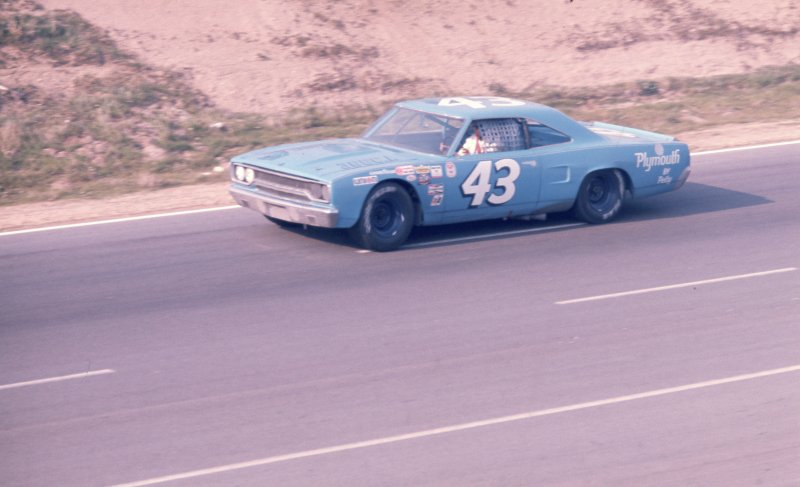
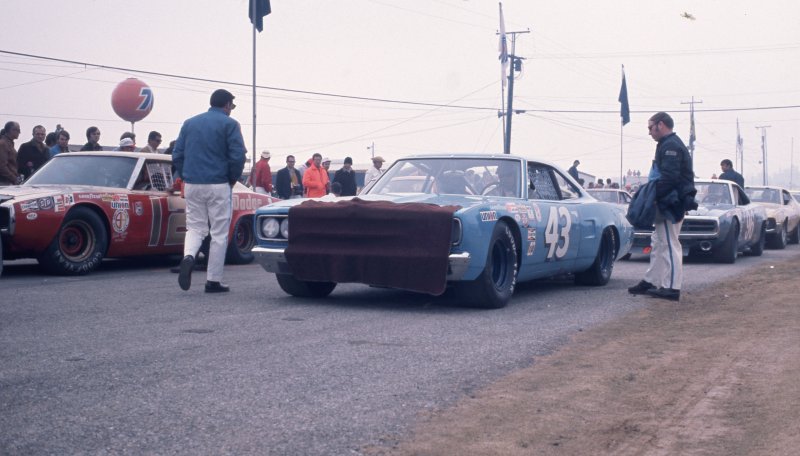
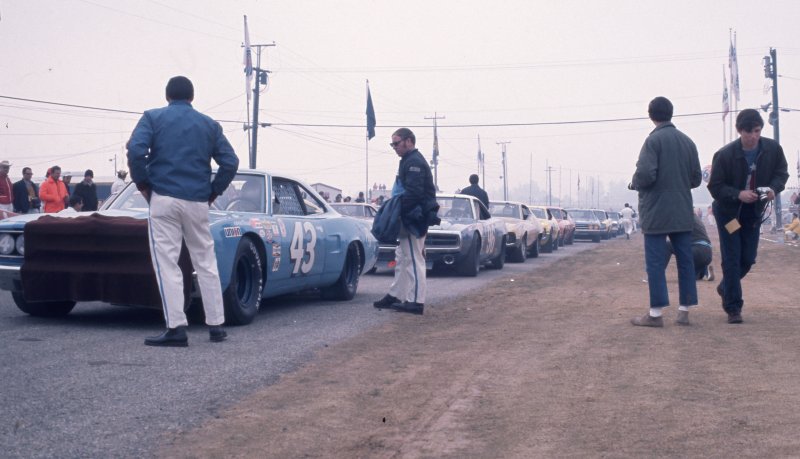
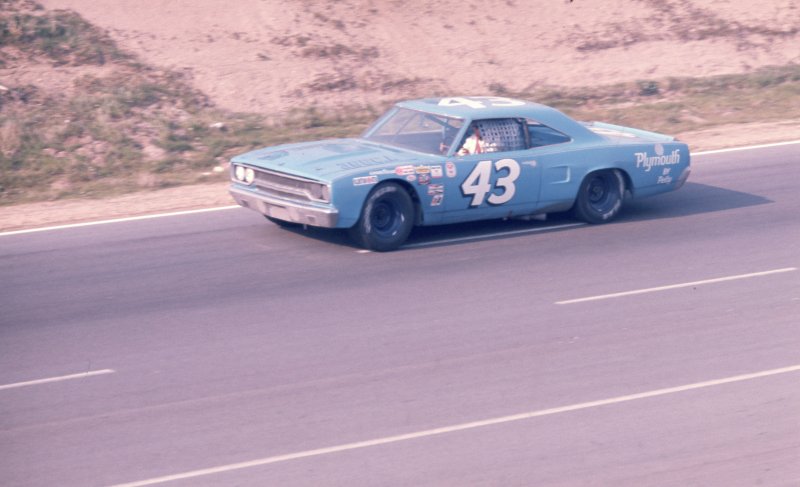
The entry list looked like a rolling argument between old NASCAR, West Coast road racing, and Detroit’s bruising muscle era. Richard Petty put his No. 43 Plymouth on the pole. Bobby Allison started second in a Dodge. Ray Elder, a California driver better known to West Coast fans than national audiences, started third. Bobby Isaac, James Hylton, Benny Parsons, Hershel McGriff, David Pearson, and a long list of independent hopefuls filled out the field.
There were 40 cars entered. The field included Fords, Chevrolets, Dodges, Plymouths, Mercurys, and even an Oldsmobile. This was still an age when brand loyalty mattered in the grandstands, when a Dodge man and a Ford man could watch the same race and see two entirely different wars.
It was also a race shaped by larger forces. Ford and Chevrolet had both reduced factory support around this period, and NASCAR had begun limiting the engines in the aerodynamic superspeedway cars to 305 cubic inches. That mattered. The muscle car era was still alive, but it was no longer running wide open with no bill due. Insurance pressure, emissions rules, the economy, and racing politics were all starting to crowd the same garage.
So the Winston Cup 1971 Motor Trend 500 arrived at a crossroads. The cars were big, loud, and familiar, but the sport around them was changing fast.
Riverside Was the Great Equalizer
The old Riverside circuit had a way of humbling stock cars. These machines were built to run fast and hard, but asking them to survive nearly five hours on a road course was another matter entirely. The Motor Trend 500 took four hours, 57 minutes, and 55 seconds to complete, with an average speed of 100.783 mph. Only one caution slowed the race, but mechanical attrition did plenty of damage on its own.
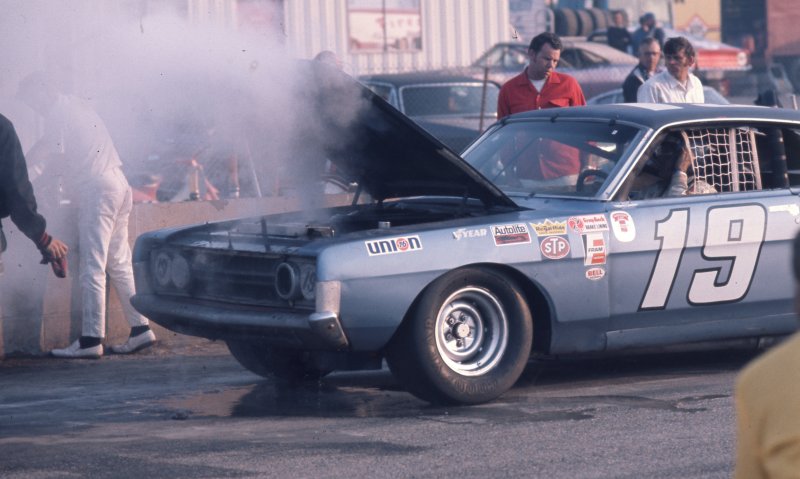
Only 11 of the 40 starters were still running at the finish. That number says almost everything. This was not a tidy modern event where most of the field finishes without issue. This was a long fight with heat, gearboxes, brakes, clutches, engines, tires, and concentration.
Richard Petty led early from the pole, but his day would not end in victory. David Pearson took a turn out front. Bobby Allison was fast. Ray Elder was faster when it mattered. The lead changed 10 times, and the race gradually narrowed into a fight between Allison and Elder.
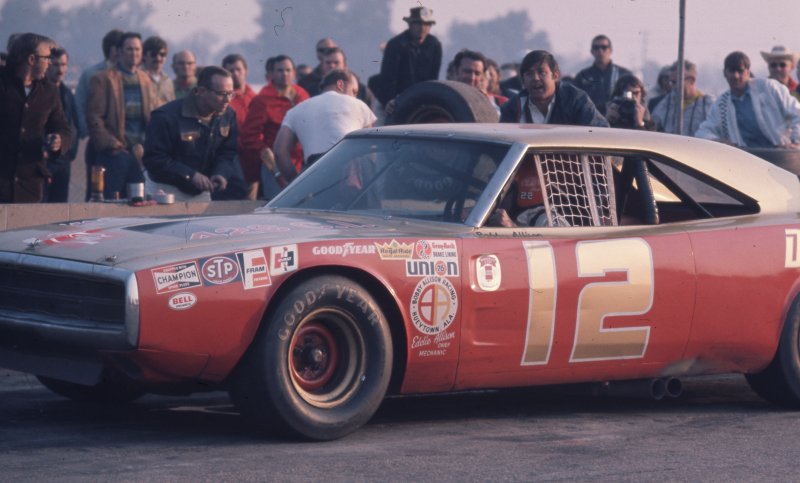
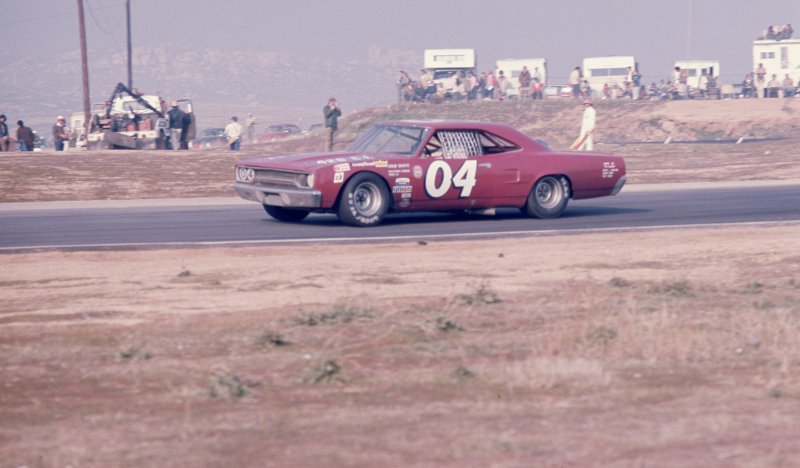
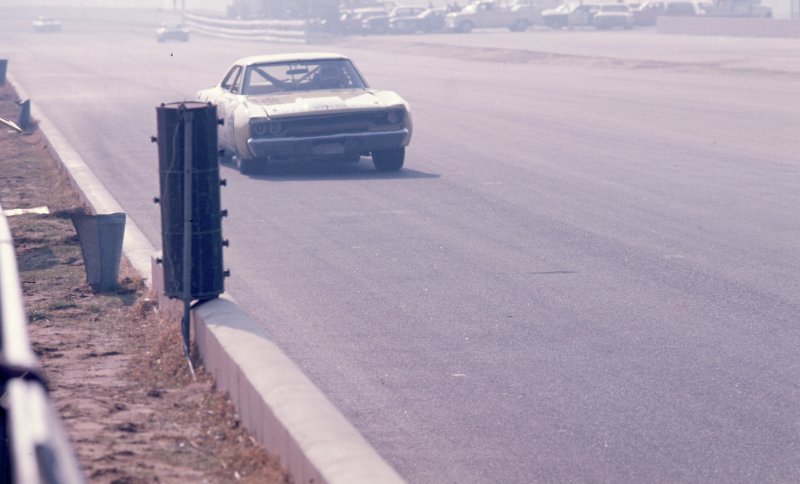
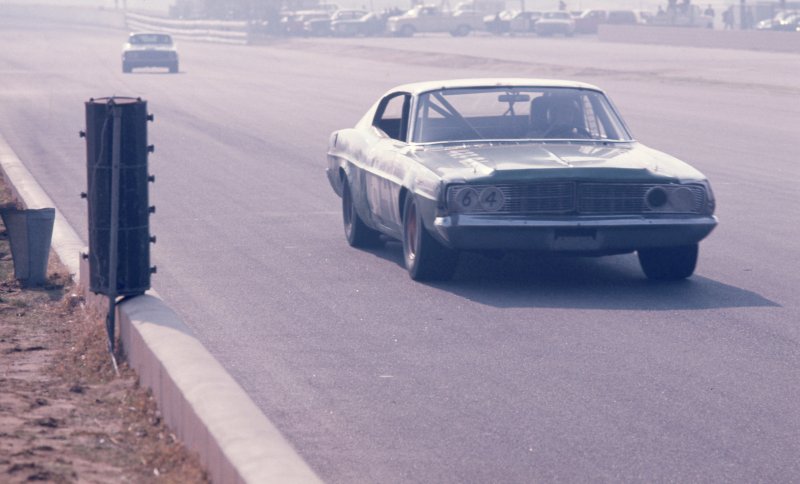
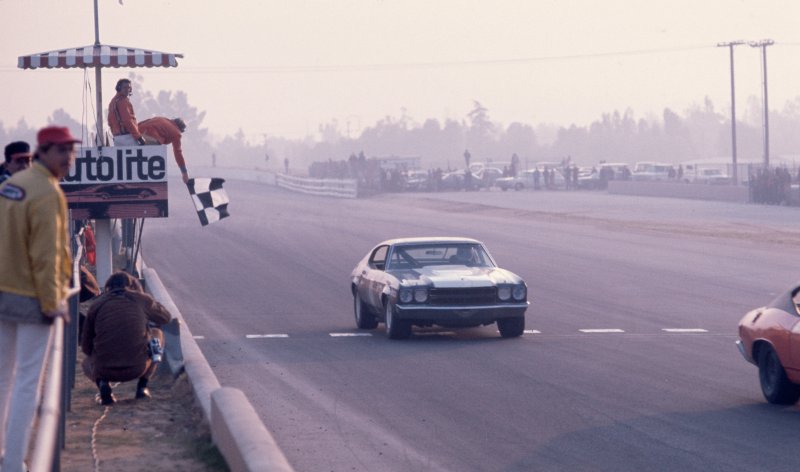
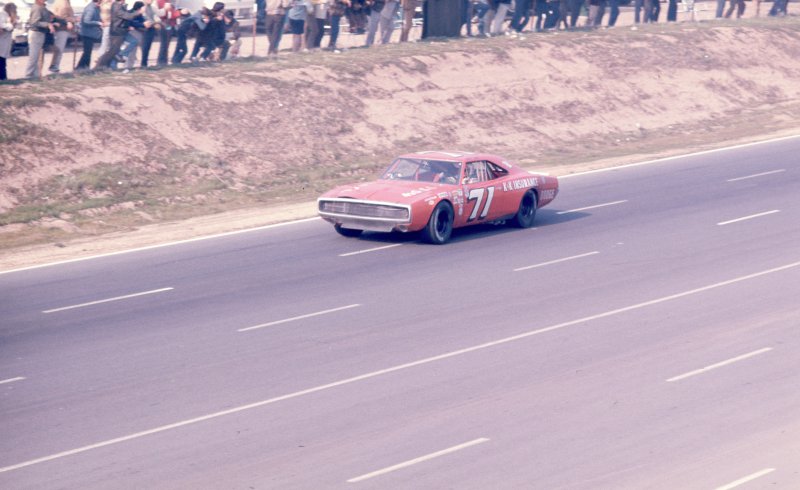
For fans with cameras in the stands, this would have been a glorious mess to capture: the Petty blue Plymouth, Bobby Allison’s Dodge, the dust, the pits, the spectators, the dry California backdrop, and those long stock car bodies leaning through Riverside’s turns like they had been asked to do something slightly against company policy.
Ray Elder, the Farmer Who Beat the Stars
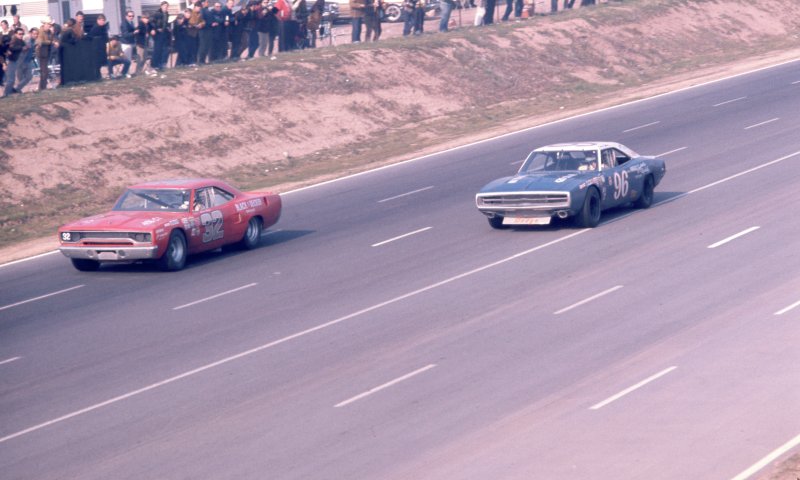
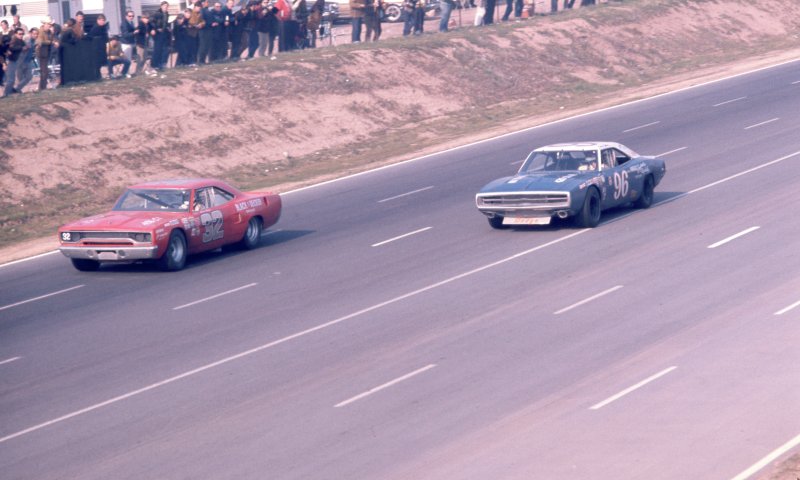
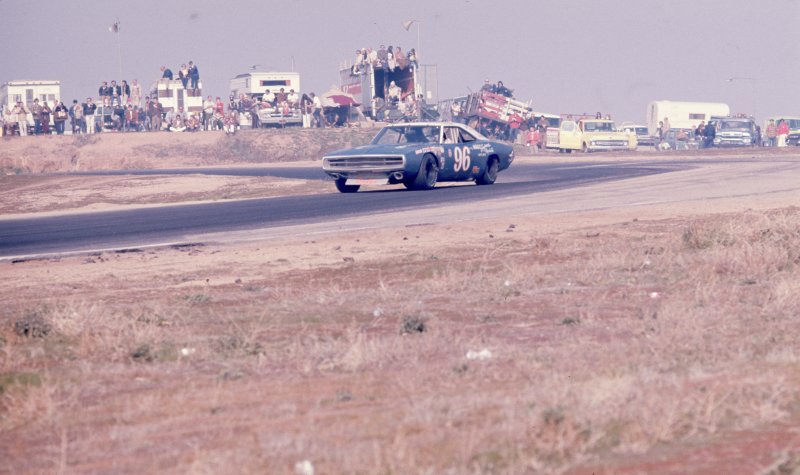
The winner of the 1971 Motor Trend 500 was Ray Elder, driving the No. 96 Dodge. Elder led 67 laps and beat Bobby Allison by 10.5 seconds after a long late-race duel. Allison finished second after leading 42 laps, with Benny Parsons third, Bobby Isaac fourth, and James Hylton fifth.
Elder was no fluke. He was the defending NASCAR Grand National West champion and would become one of the great figures in West Coast stock car racing. He eventually won six NASCAR West championships and 47 races in the series, one of the strongest records in its history.
But on the national stage, he was still something of an outsider. He was not Petty. He was not Pearson. He was not Allison. He was a California racer from a farming family near Fresno, the kind of driver who could still feel local even while beating legends. That is part of why the 1971 Motor Trend 500 carries such appeal. It was not merely a famous name adding another trophy. It was a regional hero stepping into the national story and winning the first race of NASCAR’s modern era.
MotorTrend later summarized the 1971 running as the moment when Ray Elder beat names like Bobby Allison, Bobby Isaac, and Richard Petty, becoming the first driver in a Chrysler product to win the Motor Trend 500. Three of the top five finishers were Dodges.
That detail matters because Riverside had previously been fertile ground for Ford success, and the Motor Trend 500 had attracted some of the best all-around racers in America. Dan Gurney, Parnelli Jones, A.J. Foyt, and other road racing heavyweights had helped give the event its reputation. By 1971, Elder’s win added a new chapter, one that belonged not to an Indy legend or a factory superstar, but to a West Coast stock car ace in a Dodge.
The Race Within the Race
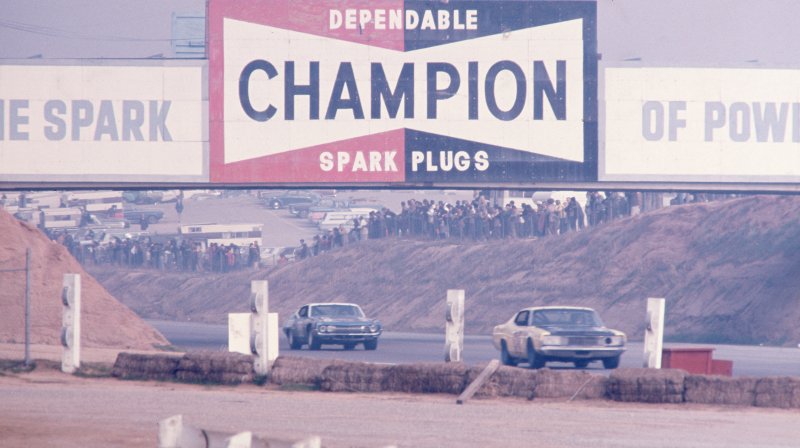
The numbers make the race sound orderly. Elder first. Allison second. Parsons third. Isaac fourth. The reality was far more rugged. Bobby Allison and Ray Elder traded control of the race across the second half, with Elder taking the lead for good late in the running. Racer’s Reunion notes that Allison and Elder exchanged the lead multiple times from lap 136 onward, with Elder making the decisive move with 12 laps remaining.
That is the kind of racing Riverside was built for. Not just drafting and horsepower, but commitment under braking, patience through traffic, and the ability to keep a heavy stock car underneath you when every part of it wanted to be somewhere else.
By the finish, Elder and Allison were the only cars on the lead lap. Benny Parsons, in third, was two laps down. Bobby Isaac was also two laps down. Hylton was six laps behind. From there, the gaps widened into the kind of finishing order that reminds you just how punishing 500 miles at Riverside could be.
A modern race fan might look at that and see attrition. A period fan probably saw survival.
Winston Cup: When The Cars Were Still Cars
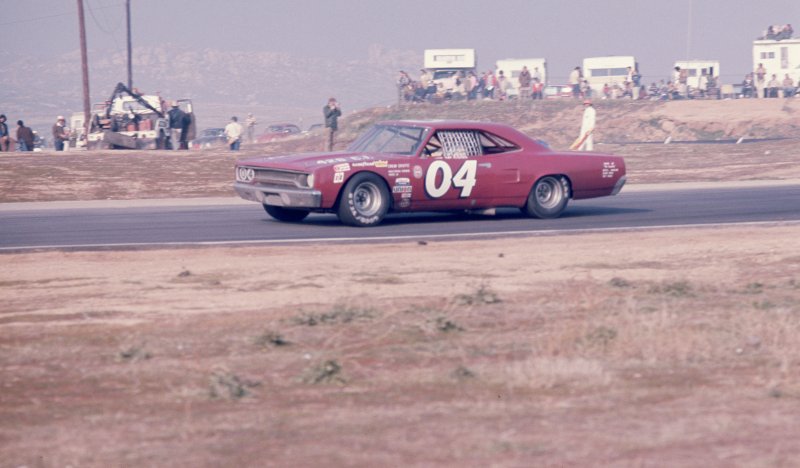
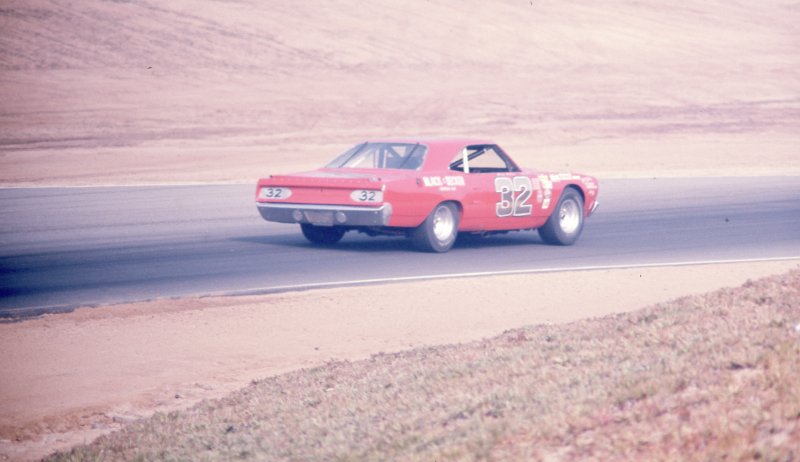
Part of the visual power of the 1971 Motor Trend 500 comes from the cars themselves. These were race cars, of course, but they still carried the shape, mass, and personality of American street machines. Plymouths, Dodges, Fords, and Chevrolets looked like exaggerated versions of what people saw outside dealerships and diners. They had long hoods, blunt noses, vinyl-era colors, and enough sheetmetal to make a modern aerodynamicist reach for coffee.
That is why amateur photos from this race matter. They do not just document a leaderboard. They capture a moment when NASCAR still had a close visual relationship with the showroom. The silhouettes were familiar. The drivers were accessible. The garages were not hermetically sealed corporate compounds. The sport was growing up, but it had not yet lost all of its rough edges.
Riverside amplified that feeling. A high-banked oval can make stock cars look natural. A road course makes them look heroic and slightly absurd. Seeing these big machines hustle through Riverside’s bends is like watching a prizefighter take up fencing. It should not work as well as it does, and that is exactly why it is so good.
A Cast From Another America
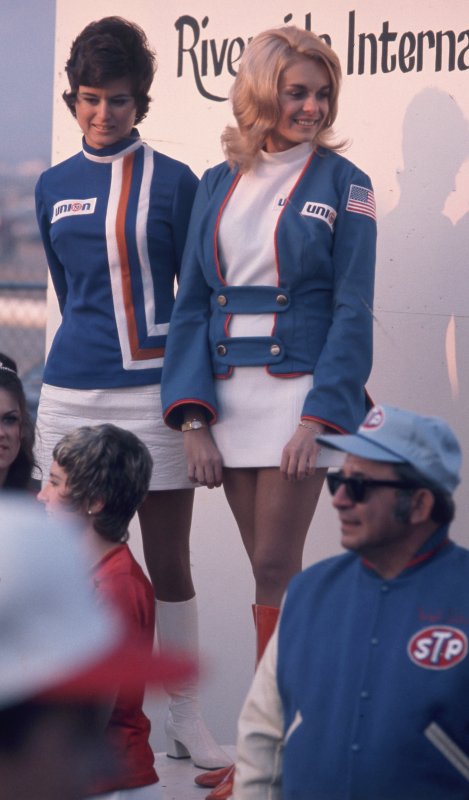
Look through the names and the 1971 Motor Trend 500 becomes a snapshot of American racing’s old crossover culture. Richard Petty was there, already a king. Bobby Allison was there, one of the fiercest racers of his generation. David Pearson, Bobby Isaac, Benny Parsons, James Hylton, Hershel McGriff, Dick Guldstrand, and others brought different backgrounds and reputations to the same strip of California asphalt.
McGriff’s presence is especially evocative. He had won a NASCAR Grand National race back in 1954 and returned to Cup competition at Riverside in 1971, qualifying eighth and finishing 12th.
Then there was Dick Guldstrand, the Corvette road racing ace, who brought genuine road course credibility to a field of stock car regulars. That was part of Riverside’s personality. It pulled in oval racers, road racers, independents, Western drivers, national stars, and men whose résumés did not fit neatly into one discipline. In that way, Riverside was one of the great meeting places in American motorsport.
Why These Photos Matter
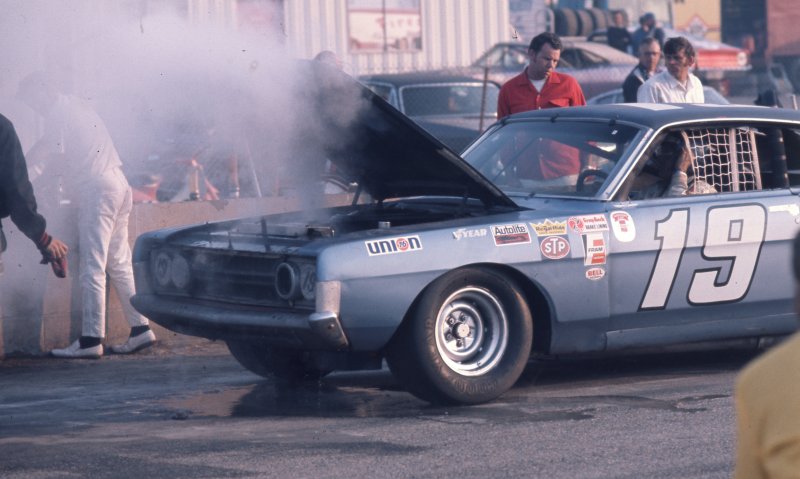
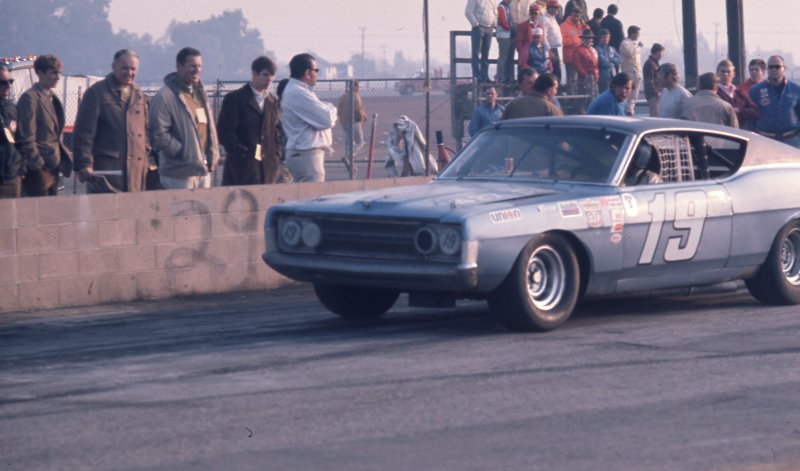
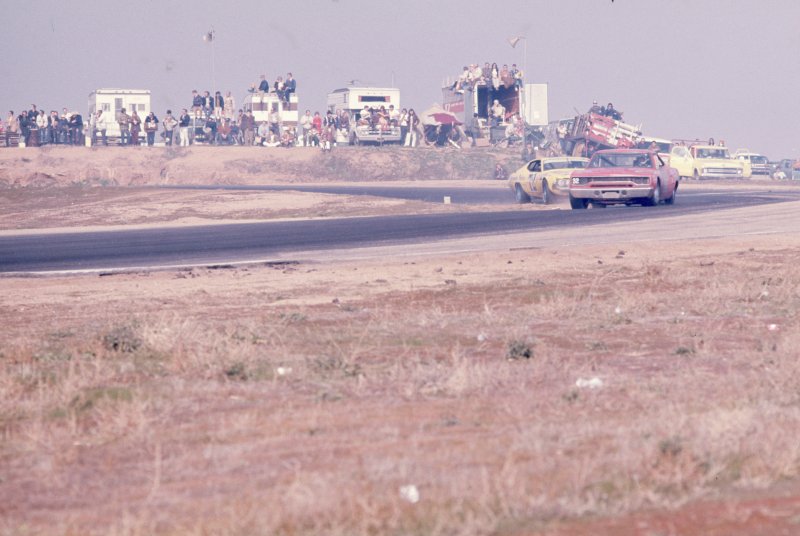
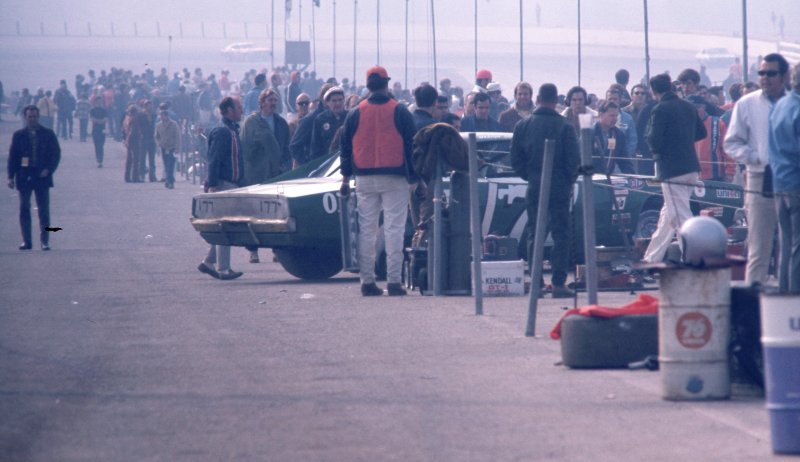
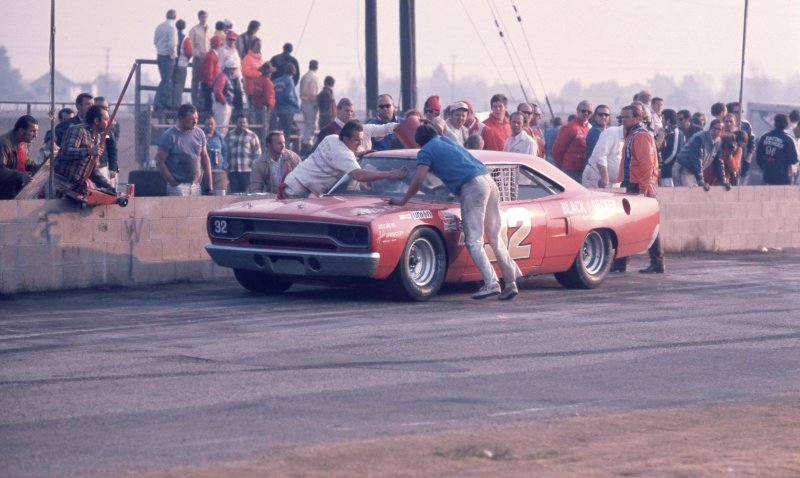
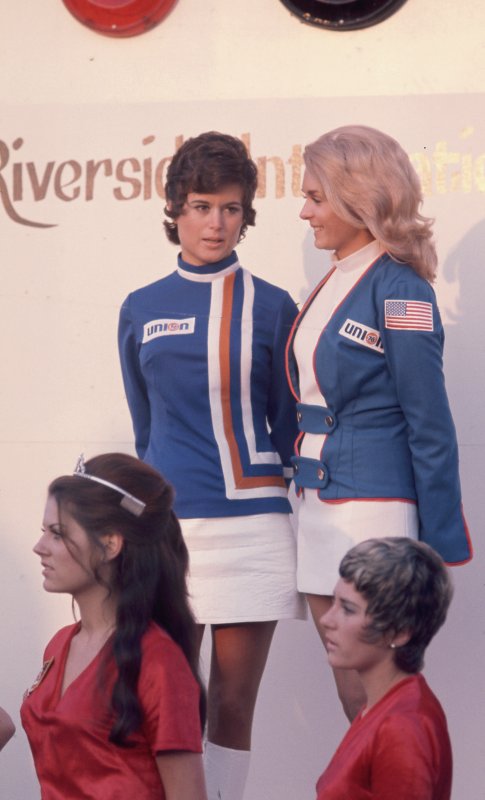
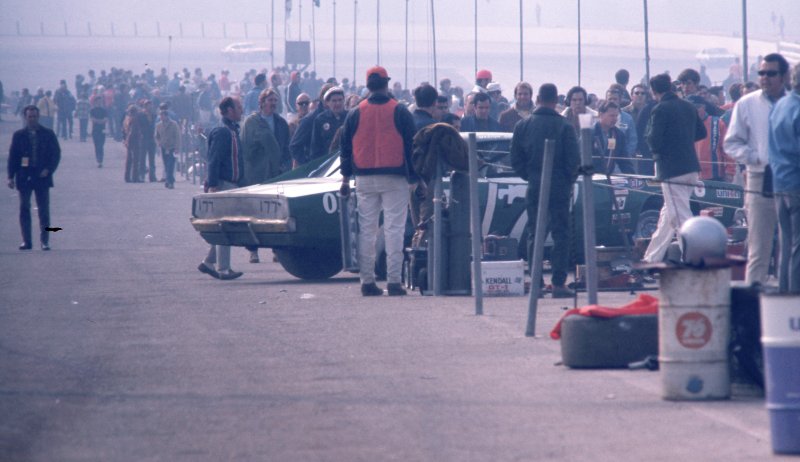
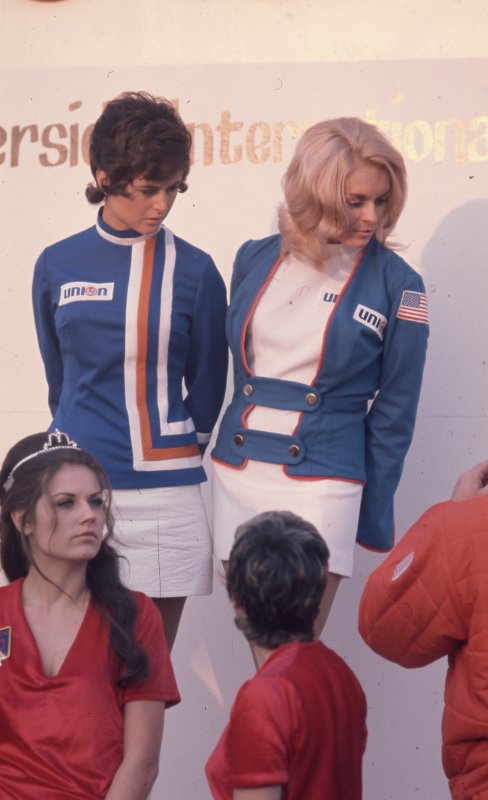
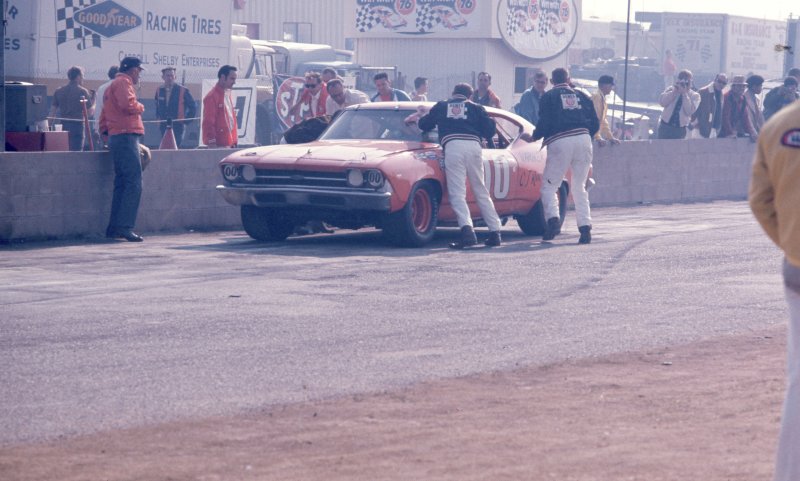
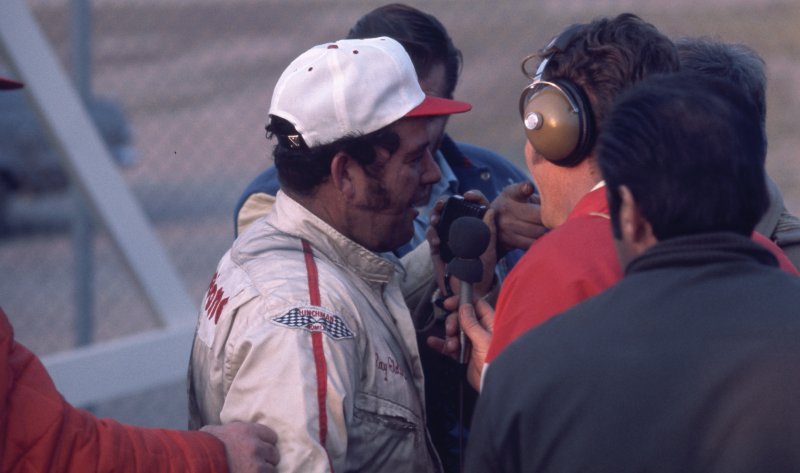
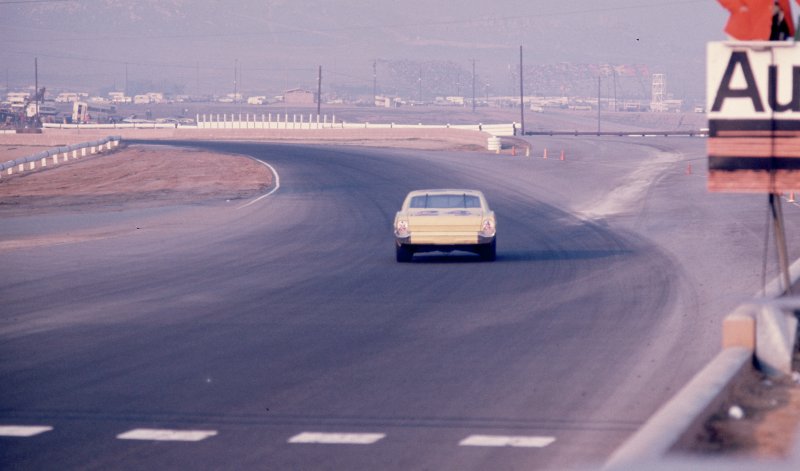
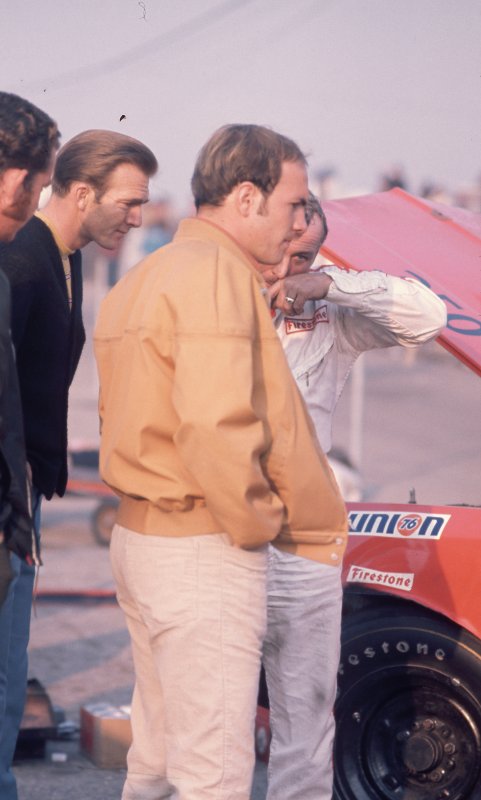
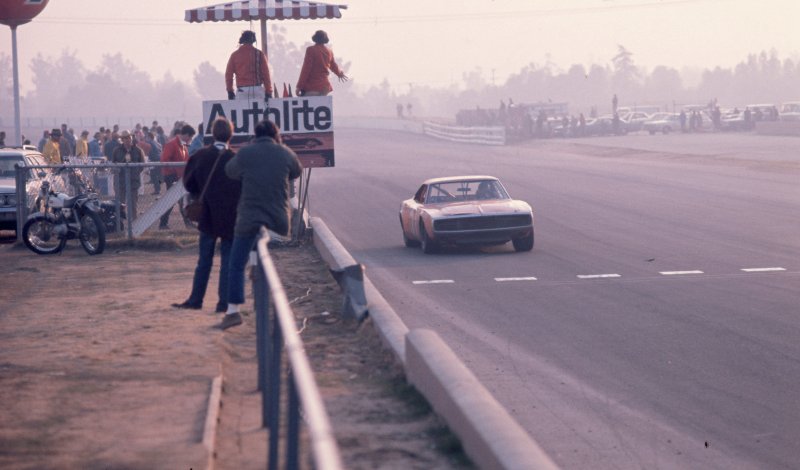
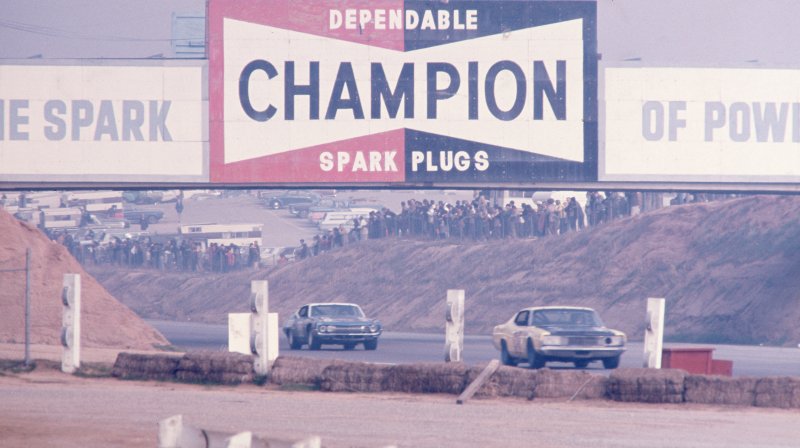
A professional photograph usually tells you who won. An amateur photograph often tells you what it was like to be there. That distinction is important. A fan’s photo collection from the 1971 Motor Trend 500 may show the cars, but it may also show the parking lots, the clothes, the signage, the fencing, the hills, the haze, the pit lane, the people, and the strange little details nobody thought were important at the time. Those details become priceless later.
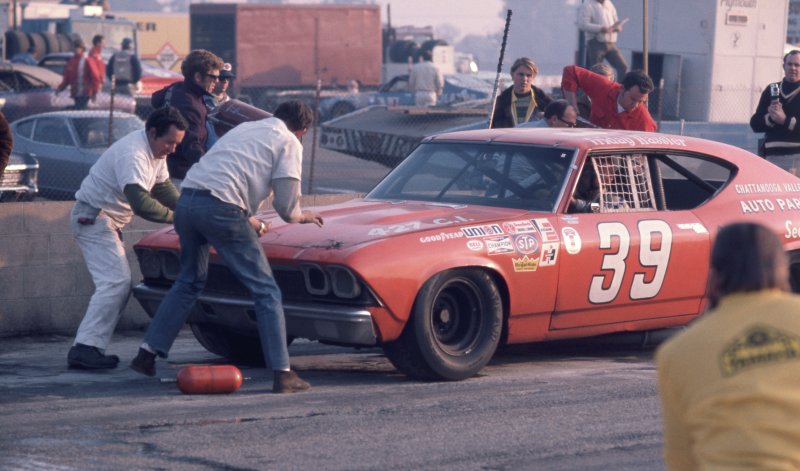
Maybe there is a kid sitting on a cooler, watching Richard Petty’s Plymouth go by. Maybe there is a Dodge crewman leaning over a fender. Maybe there is a hand-painted sign, a long-gone sponsor logo, or a row of spectators who had no idea they were standing inside history. Maybe there is a blurry frame of Ray Elder’s No. 96 Dodge, just another car in the viewfinder before it became the winning car in the first race of NASCAR’s Winston Cup era.
That is the thing about found photographs. They remind us that history did not know it was history when it happened. It was just Sunday at Riverside. Someone bought a ticket. Someone brought a camera. Someone found a place by the fence. The cars came by, loud and fast, and a few moments were caught before the track, the era, and many of the people in those frames moved on.
Riverside Is Gone, But Not Really
I am just old enough to remember going to Riverside International Raceway before it closed in 1989, and like too many American circuits, it eventually gave way to development. The track itself is gone, but the memory of it has only grown stronger. Riverside sits in that category of lost circuits that seem to get better in the imagination because the people who saw them in person keep insisting the imagination still does not do them justice. The 1971 Motor Trend 500 belongs to that memory.
It was a NASCAR race, yes. But it was also a West Coast racing story, a Dodge story, a Ray Elder story, a Riverside story, and a reminder that stock car racing was once far less specialized than it is now. The cars were imperfect. The drivers crossed disciplines. The race took nearly five hours. Most of the field broke. The winner was a California farmer-racer who beat some of the biggest names in the sport.
That is not just a result. That is an American racing story. And now, through a collection of amateur photographs, it gets to breathe again. Not as a museum label. Not as a box score. As it should be seen: in grain, dust, sunlight, and the occasional crooked horizon.
Enjoy the full gallery of images from the 1971 Motor Trend 500 below:
Qualifying
| Grid | No. | Driver | Manufacturer |
|---|---|---|---|
| 1 | 43 | Richard Petty | ’70 Plymouth |
| 2 | 12 | Bobby Allison | ’70 Dodge |
| 3 | 96 | Ray Elder | ’70 Dodge |
| 4 | 71 | Bobby Isaac | ’71 Dodge |
| 5 | 48 | James Hylton | ’70 Ford |
| 6 | 02 | Dick Bown | ’70 Plymouth |
| 7 | 72 | Benny Parsons | ’69 Ford |
| 8 | 04 | Hershel McGriff | ’70 Plymouth |
| 9 | 39 | Friday Hassler | ’69 Chevrolet |
| 10 | 32 | Kevin Terris | ’70 Plymouth |
| 11 | 38 | Jimmy Insolo | ’69 Chevrolet |
| 12 | 10 | Bill Champion | ’69 Ford |
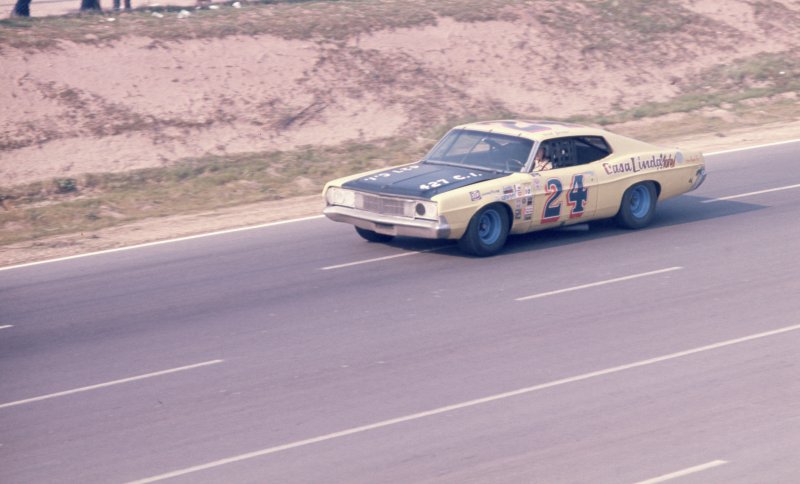
| 13 | 24 | Cecil Gordon | ’69 Ford |
| 14 | 44 | Dick Guldstrand | ’68 Chevrolet |
| 15 | 08 | John Soares, Jr. | ’70 Plymouth |
| 16 | 17 | David Pearson | ’70 Ford |
| 17 | 19 | Henley Gray | ’69 Ford |
| 18 | 88 | Don Noel | ’70 Ford |
| 19 | 64 | Elmo Langley | ’69 Mercury |
| 20 | 83 | Joe Clark | ’69 Chevrolet |
| 21 | 99 | Pat Fay | ’71 Ford |
| 22 | 26 | Carl Joiner, Jr. | ’69 Chevrolet |
| 23 | 6 | Jerry Oliver | ’70 Oldsmobile |
| 24 | 95 | Bob Kauf | ’69 Chevrolet |
| 25 | 15 | Paul Dorrity | ’71 Chevrolet |
| 26 | 82 | Ron Gautsche | ’69 Ford |
| 27 | 4 | Dick Kranzler | ’70 Chevrolet |
| 28 | 07 | Ivan Baldwin | ’69 Chevrolet |
| 29 | 23 | G.T. Tallas | ’69 Ford |
| 30 | 00 | Frank James | ’69 Chevrolet |
| 31 | 7 | Jack McCoy | ’70 Dodge |
| 32 | 77 | Ray Johnstone | ’69 Plymouth |
| 33 | 5 | Ron Grable | ’70 Ford |
| 34 | 70 | J.D. McDuffie | ’69 Mercury |
| 35 | 148 | Harry Schilling | ’69 Dodge |
| 36 | 177 | Roy Collins | ’69 Dodge |
| 37 | 79 | Frank Warren | ’69 Plymouth |
| 38 | 108 | Mike Pittelkow | ’69 Chevrolet |
| 39 | 33 | Glenn Francis | ’70 Chevrolet |
| 40 | 18 | Bob England | ’70 Chevrolet |
Finishing order
- Ray Elder
- Bobby Allison
- Benny Parsons
- Bobby Isaac
- James Hylton
- Friday Hassler
- Kevin Terris
- Carl Joiner
- Henley Gray
- Cecil Gordon
- G.T. Tallas
- Hershel McGriff
- Bob England
- Dick Kranzler
- J.D. McDuffie
- Dick Bown
- Elmo Langley
- Jack McCoy
- Ron Gautsche
- Richard Petty
- John Soares, Jr.
- Frank James
- Ron Grable
- Dick Guldstrad
- Jimmy Insolo
- Bill Champion
- Bob Kauf
- Paul Dorrity
- Jerry Oliver
- Frank Warren
- Mike Pittelkow
- Ray Johnstone
- Don Noel
- Glenn Francis
- David Pearson
- Joe Clark
- Harry Schilling
- Roy Collins
- Ivan Baldwin
- Pat Fay
Quick Facts
Event: 1971 Motor Trend 500
Date: January 10, 1971
Track: Riverside International Raceway
Location: Riverside, California
Series: NASCAR Grand National, later remembered as the beginning of the Winston Cup era
Race Length: 191 laps, approximately 500 miles
Track Type: Road course
Winner: Ray Elder
Winning Car: No. 96 Dodge
Pole Sitter: Richard Petty
Second Place: Bobby Allison
Third Place: Benny Parsons
Notable Drivers: Richard Petty, Bobby Allison, David Pearson, Bobby Isaac, Benny Parsons, James Hylton, Hershel McGriff, Dick Guldstrand
Why It Matters: The race marked the start of NASCAR’s 1971 season and helped define Riverside as one of the great road-course proving grounds in American stock car racing.
FAQ
What was the 1971 Motor Trend 500?
The 1971 Motor Trend 500 was a NASCAR Grand National race held at Riverside International Raceway in California. It opened the 1971 NASCAR season and is often remembered as the first race of the Winston Cup era.
Who won the 1971 Motor Trend 500?
Ray Elder won the 1971 Motor Trend 500 driving the No. 96 Dodge. He defeated Bobby Allison after a long battle on the Riverside road course.
Why was Riverside International Raceway important?
Riverside was one of America’s great road courses. Unlike traditional NASCAR oval tracks, Riverside tested braking, handling, endurance, and road-racing skill. It attracted NASCAR stars, West Coast racers, and road racing specialists.
Was Richard Petty in the 1971 Motor Trend 500?
Yes. Richard Petty started from the pole in his No. 43 Plymouth. While he was one of the biggest names in the field, the race ultimately belonged to Ray Elder.
Why are amateur photos from the 1971 Motor Trend 500 important?
Amateur photos often capture the real atmosphere of a race: the spectators, pits, signage, cars, crews, and small details that professional photos sometimes miss. They help preserve the feeling of being there.
What kind of cars raced in the 1971 Motor Trend 500?
The field included American stock cars from brands such as Dodge, Plymouth, Ford, Chevrolet, Mercury, and Oldsmobile. These cars still carried strong visual ties to their showroom counterparts.
Who was Ray Elder?
Ray Elder was a successful West Coast stock car racer and one of the top drivers in NASCAR’s Grand National West division. His 1971 Motor Trend 500 victory was one of the biggest wins of his career.
Is Riverside International Raceway still open?
No. Riverside International Raceway closed in 1989 and was later replaced by development. It remains one of the most missed road courses in American motorsport history.
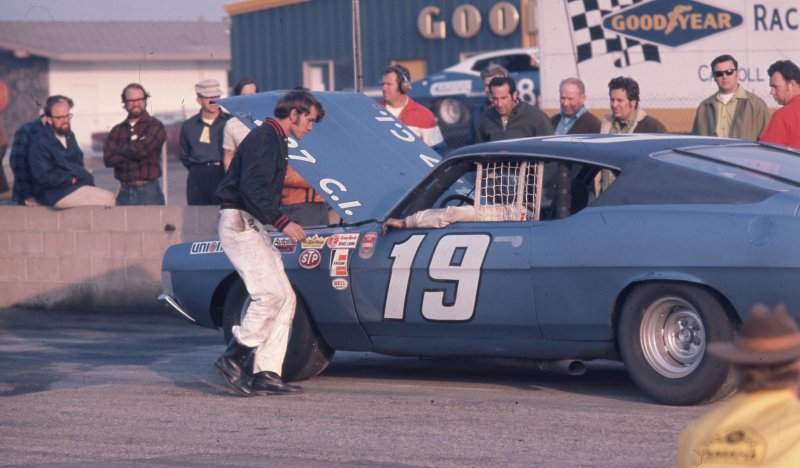
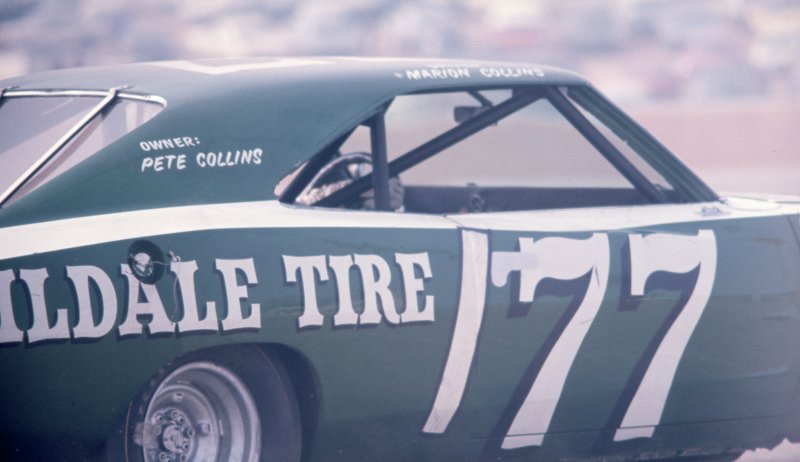
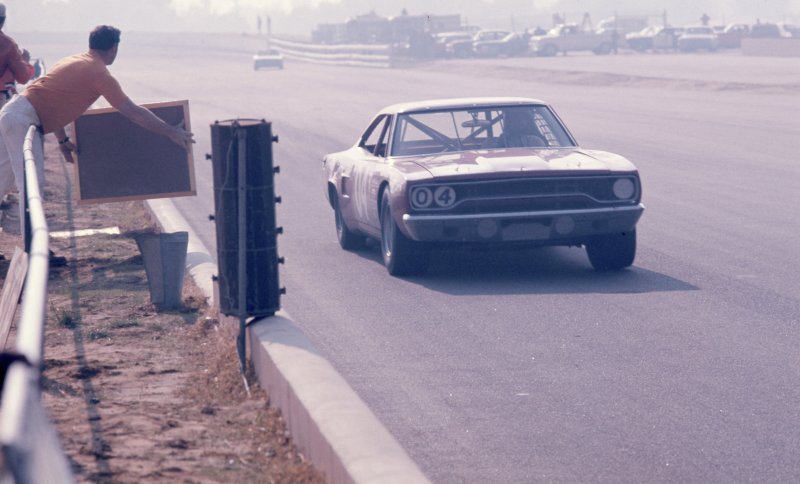
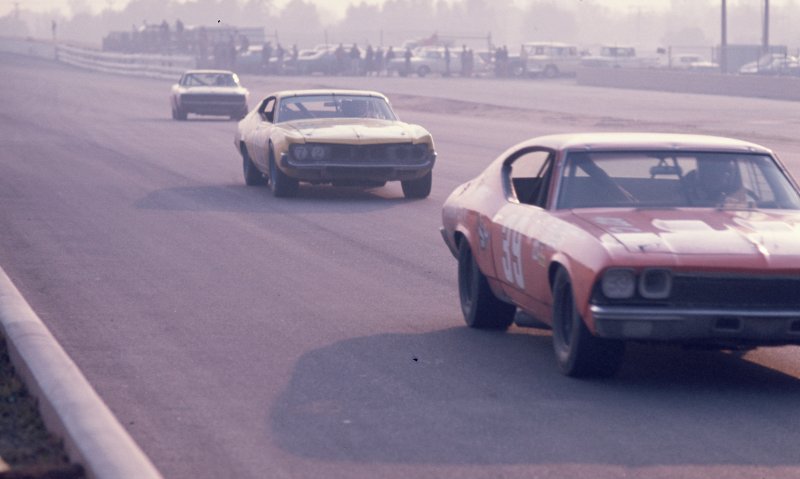
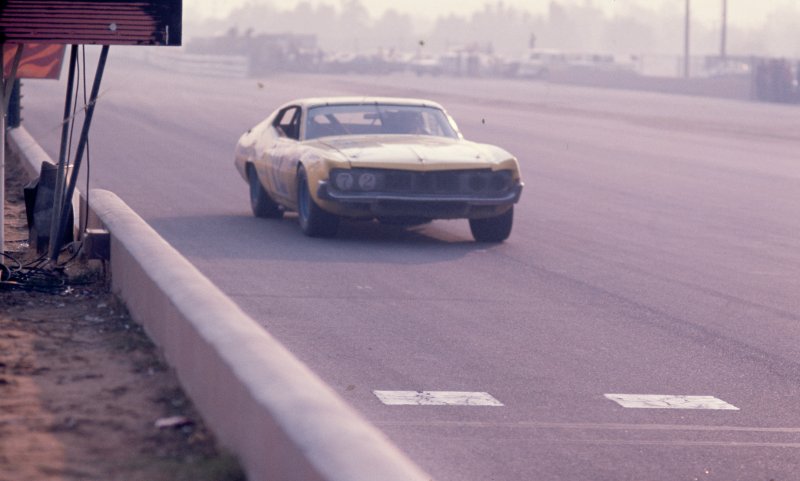
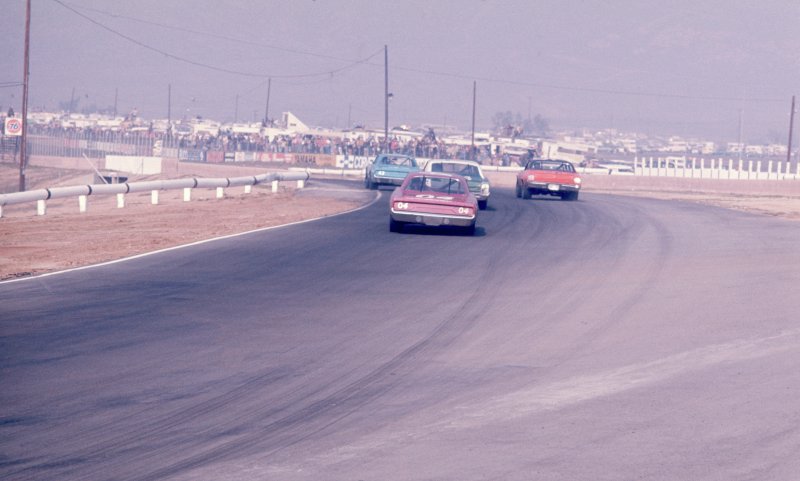
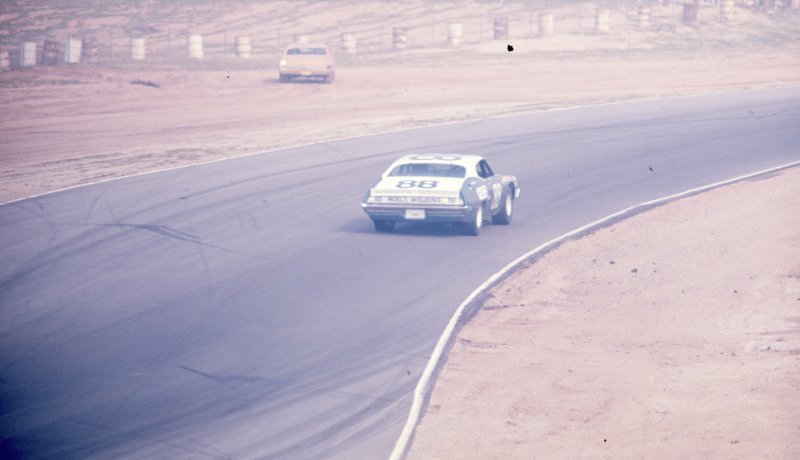
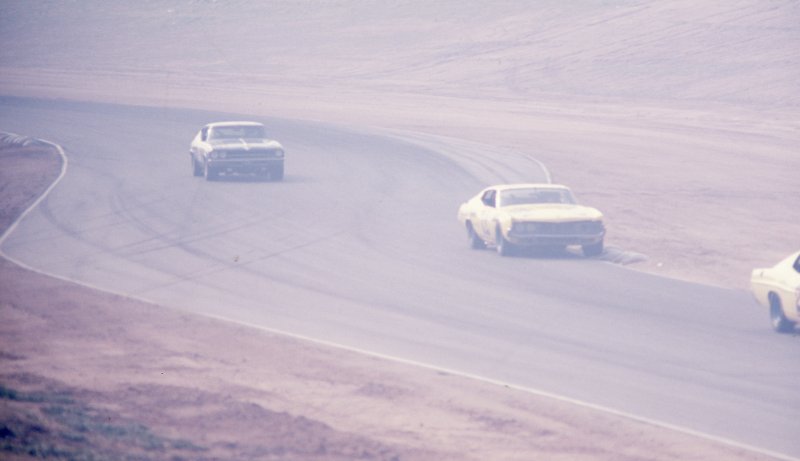
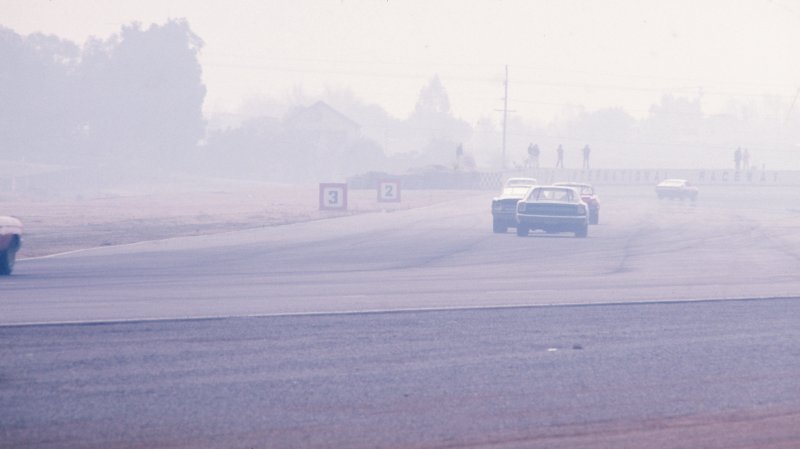
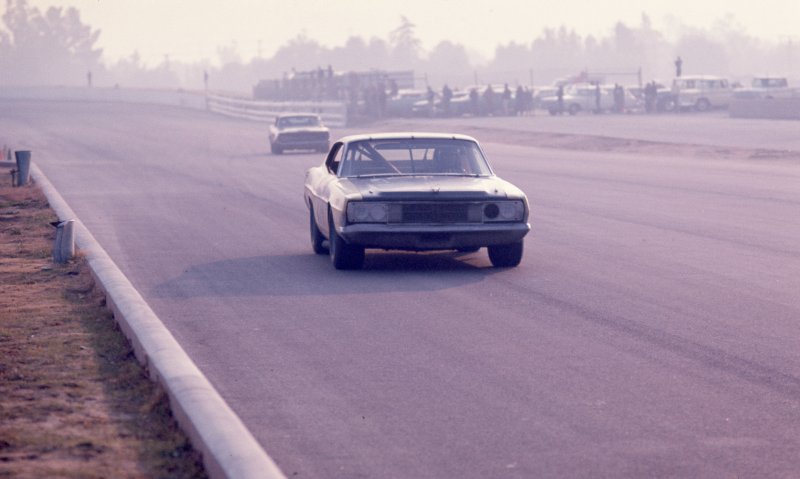
Photos Courtesy of NHPRC and the San Diego Air and Space Museum


The last race that we attended at RIR before moving out of the area.
Pretty sure that is my grandpa and dad’s truck in the background with all the people sitting on it watching the race.
Mike you always find the best stuff, even though you aren’t in So Cal anymore, you are still bringing back childhood memories for me.
MT used to be a powerhouse now they are just a joke. Sad
Keep digging up more photos like this, it is so sad that a lot of these amateur photos are just being tossed in the dumpster.