

 Michael Satterfield
For most car people the phrase “kit car” conjured images of unfinished dreams. A body shell under a tarp. A Volkswagen pan with no paperwork. A Fiero wearing a ill-fitting Italian suit. A half-wired dashboard, a box of mystery gauges, and one handwritten note from a man named Dale who “almost had it running in 1987.”
But lately, something interesting has been happening in garages, barns, Facebook groups, Reddit threads, and auction comment sections across the country. The kit car, long treated as the eccentric cousin of the collector-car world, has been rediscovered by a new generation of car enthusiasts.
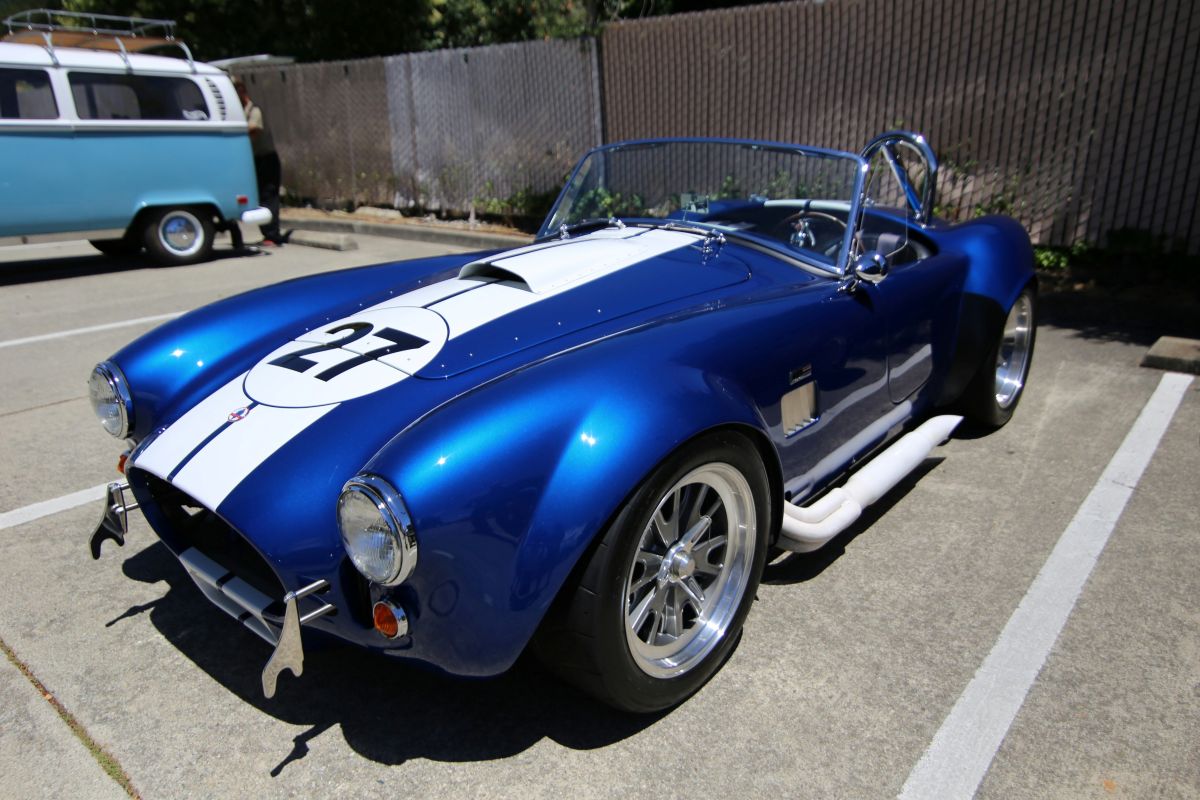
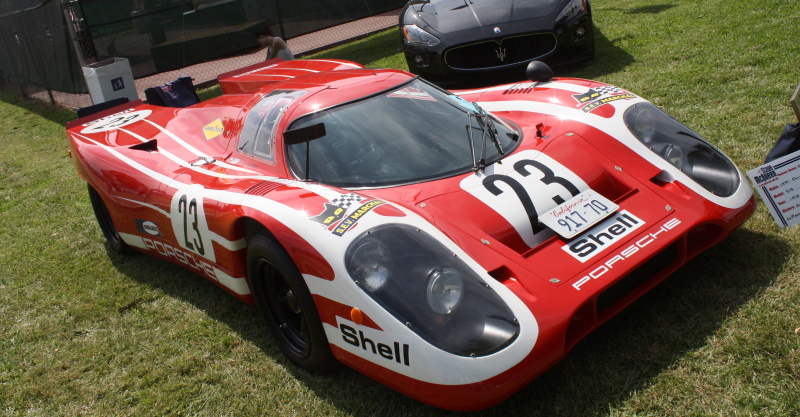
Not the polished, seven-figure continuation car kind of moment. This is something more democratic, more weird, and arguably more American. Enthusiasts are dragging home Fiberfab Jamaicans, Bradley GTs, Sterling Sebrings, dune buggies, early Cobra replicas, GT40-inspired specials, and obscure fiberglass creations that look like they escaped from a 1972 issue of Popular Mechanics. Many of these cars are now 40, 50, even 60 years old. They are no longer “old kit cars.” They are artifacts from an era when automotive fantasy could be delivered via a mail-order form in the back of a magazine.
By Writegeist – Own work, CC BY 3.0
The Most Popular Vintage Kit Car Maker? Possibly Fiberfab
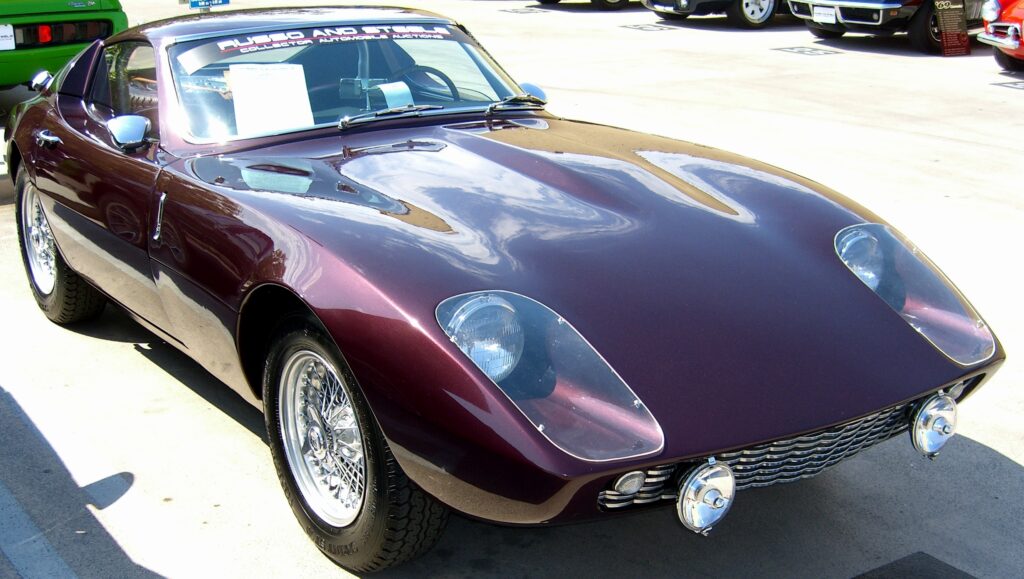
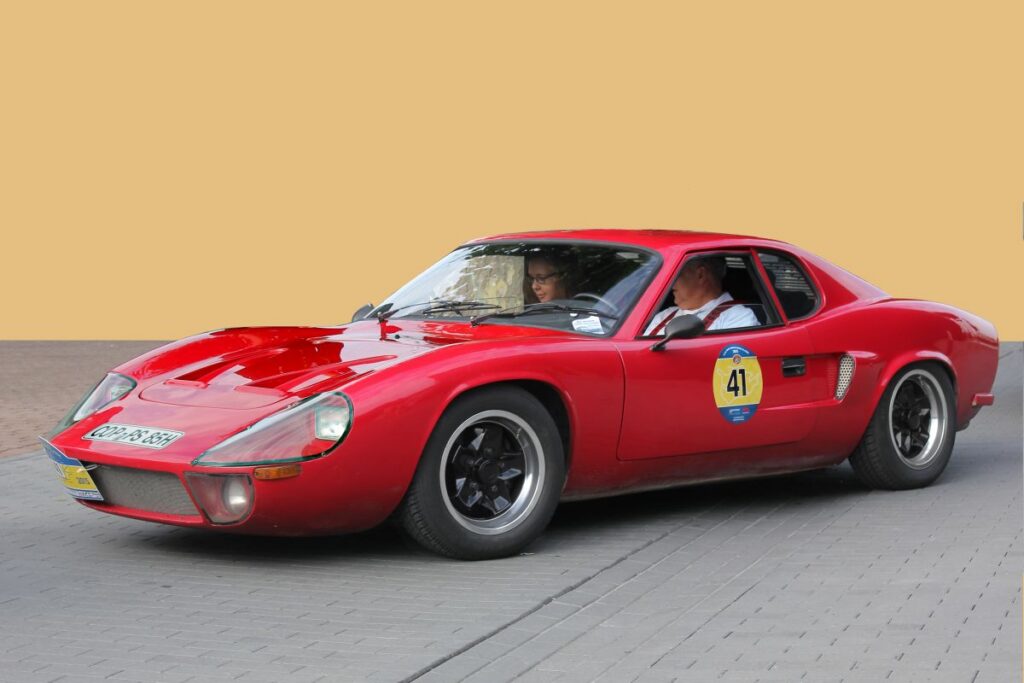
Fiberfab is one of the great names in the Kit Car world, and one of the strangest. Founded in 1964, the company began with fiberglass body panels and accessories before moving into complete kit cars and assembled vehicles. Its catalog grew to include cars like the Avenger GT, Valkyrie, Jamaican, Aztec, and various replicas, each appealing to a generation raised on racing heroes, concept cars, and the dangerous idea that a weekend mechanic could build something exotic in his own garage.
The Fiberfab Avenger GT, for example, gave buyers a GT40-ish silhouette over humble Volkswagen or Corvair mechanicals. The company reportedly sold thousands of Avengers through the 1970s, and surviving projects still appear with surprising regularity in classifieds and auctions. Classic.com has tracked Fiberfab Avenger GT12 projects selling on Bring a Trailer in recent years, including examples in 2022 and 2025, which suggests these cars are still circulating among modern collectors rather than simply disappearing into storage.
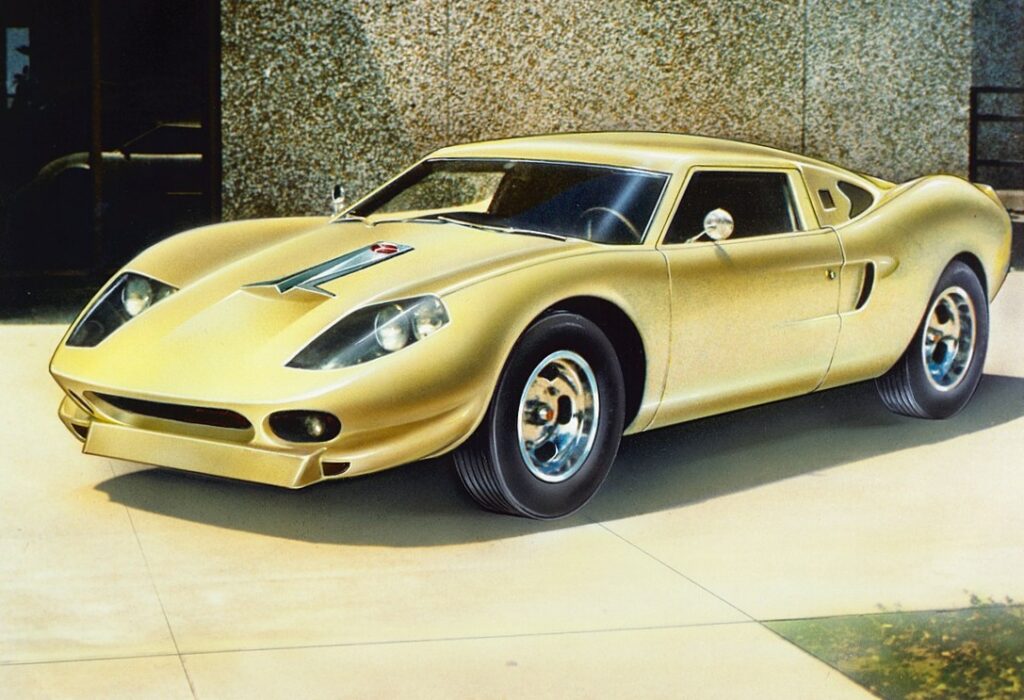
Then there is the Bradley GT, another fiberglass hero of the era. Built around Volkswagen Beetle running gear, the Bradley offered gullwing-style drama at a price ordinary enthusiasts could imagine. Estimates put Bradley GT production at roughly 6,000 cars, with the later GT II adding more refined doors, glass, lighting, and interior details.
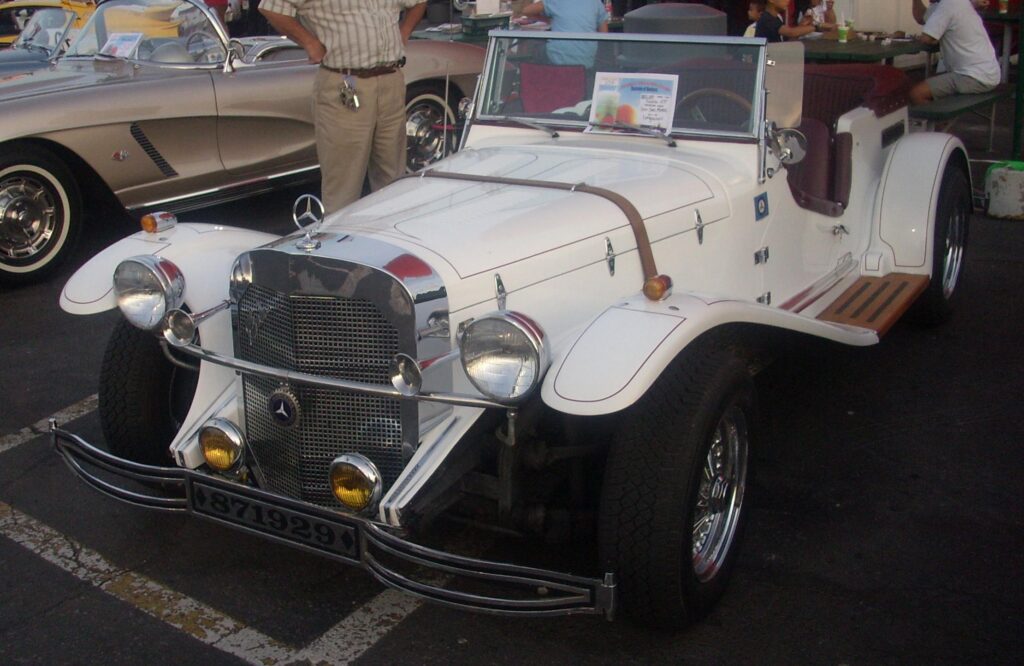
For decades, Kit Cars occupied an uneasy place in the hobby. They were not quite classics in the traditional sense, not quite replicas in the modern high-dollar sense, and not quite customs either. A Fiberfab Jamaican built on an Austin-Healey chassis might share DNA with a British sports car. A Cobra replica might carry Ford power, a hand-laid body, and parts from three donors. A Sterling might be equal parts VW, British wedge fantasy, and backyard engineering. That made them difficult to value, insure, title, and explain at a cars and coffee. Today, that confusion is part of the charm.
By Lothar Spurzem – Own work, CC BY-SA 2.0 de
Top Five Vintage Kit Cars Being Restored
Vintage kit cars are finally moving from the back corner of the garage to the front row of enthusiast culture. These are the five kits and replica categories showing the strongest restoration interest thanks to active communities, parts availability, auction visibility, and sheer oddball charm.
1. Shelby Cobra Replicas
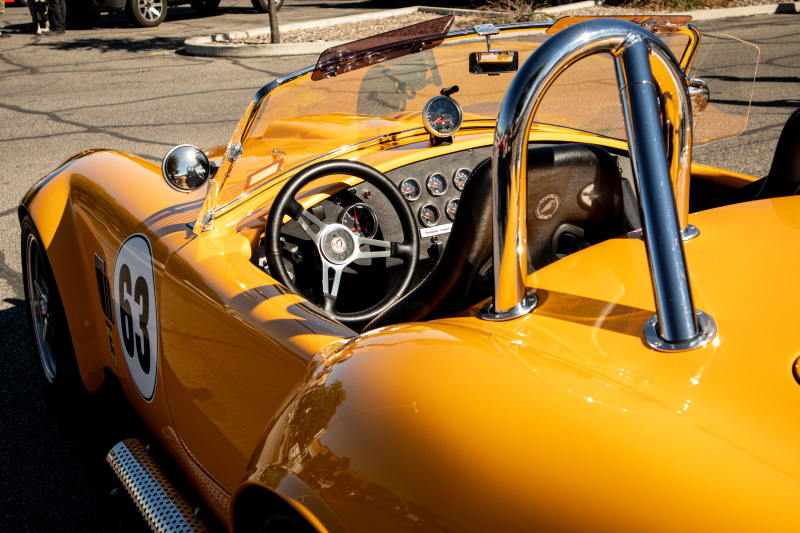
Early Cobra replicas remain the most popular and valuable corner of the kit-car world. Cars from makers like ERA, Contemporary, Classic Roadsters, Shell Valley, Fiberfab, and early Factory Five builds are now being restored as period enthusiast cars in their own right, not just as stand-ins for original Cobras.
2. Fiberfab Avenger, Valkyrie, and Jamaican
Fiberfab produced some of the most memorable fiberglass kits of the 1960s and 1970s. The Avenger and Valkyrie brought GT40-inspired looks to home garages, while the Jamaican offered a more refined sports-car profile. Today, their rarity and dramatic styling make them especially appealing to restorers.
3. Bradley GT and Bradley GT II
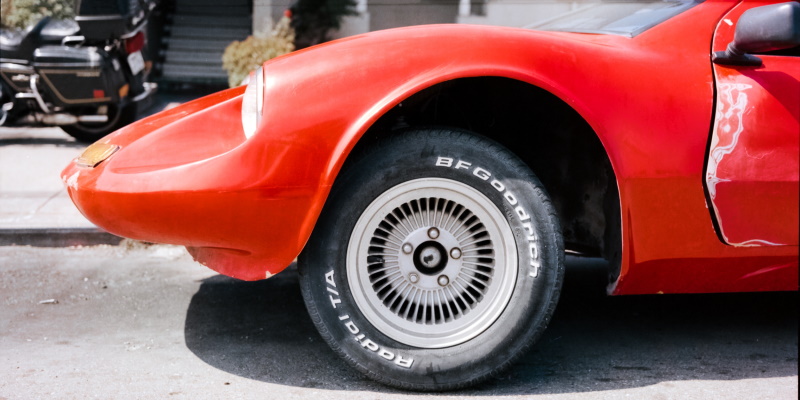
The Bradley GT was one of the defining VW-based kit cars of the 1970s. With its gullwing-style doors, wedge profile, and Beetle-based mechanicals, it remains approachable for hobbyists. The later GT II added more refinement, making both models popular with collectors looking for affordable, distinctive projects.
4. Sterling, Sebring, and Cimbria
These low, dramatic wedge cars look like they rolled out of a 1970s concept-car sketchbook. Usually built on Volkswagen platforms, they offer simple mechanicals but can be challenging to restore because of unique canopies, glass, seals, and trim. Their futuristic styling keeps them in demand.
5. VW-Based Dune Buggies and Porsche 356 Speedster Replicas
This broad category remains one of the strongest entry points into vintage kit-car restoration. Meyers Manx-style buggies and 356 Speedster replicas benefit from huge Volkswagen parts support, simple construction, and active owner communities. They are fun, usable, and still relatively accessible.
Gen Z and Millennials Are The Driving Force
The most interesting part of the vintage kit car revival is not just the cars being saved, but who is saving them. Millennials and Gen Z enthusiasts are helping drive the trend, bringing a different set of values to the collector-car world. They are less concerned with matching-numbers perfection and more interested in story, individuality, affordability, and the satisfaction of building something with their own hands.
For younger hobbyists raised on YouTube, Reddit, Facebook groups, marketplace hunting, and DIY culture, the kit car makes perfect sense. A Fiberfab, Bradley GT, Sterling, dune buggy, or early Cobra replica is not a lesser substitute for a traditional classic. It is a blank canvas with a history. These cars offer the kind of analog, mechanical experience that has become harder to find in modern vehicles, while still leaving room for personal expression.
There is also a practical side. As blue-chip classics have climbed out of reach, vintage kit cars remain one of the few corners of the hobby where a creative enthusiast can still buy something unusual, learn as they go, and build a car that no one else at the local meet will have. In a culture where uniqueness matters, showing up in a hand-restored fiberglass oddball has more pull than arriving in another financed performance crossover.
For Gen Z and Millennials, the appeal is not that these cars are perfect. It is that they are personal. They reward research, problem-solving, community knowledge, and a willingness to get fiberglass dust on your sleeves. In other words, they offer exactly what much of the modern automotive world has lost: a sense that the car is not just owned, but earned.
An Online Community For Obscure Fiberglass
Online communities have become the restoration manuals that many of these cars never had. The Reddit r/kitcar community describes itself as a place for kit cars, replicas, and custom machines, while TheSamba continues to host active discussion around VW-based kit cars, fiberglass buggies, and 356 replicas. Sterling owners still trade parts knowledge, windshield advice, and restoration updates on SterlingKitCars.com, where threads from 2026 show owners actively asking for help on newly acquired cars. Cobra replica communities remain especially active, with Club Cobra offering dedicated forums and Facebook groups focused on replica Cobras and parts.
Some of this growth is practical. The cars are old enough now that they need real restoration, not just recommissioning. Fiberglass cracks. Gelcoat crazes. Wiring turns to archaeological material. Donor parts age out. Titles get complicated. Builder documentation gets lost. A car assembled in a garage in 1983 may now need the same level of detective work as a 1960s race car, only with more household switches and fewer factory records.
Some of it is economic. The price of traditional collector cars has pushed younger and mechanically curious enthusiasts toward the edges. A chrome-bumper MGB, early 911, split-window Corvette, or real Shelby Cobra is no longer just a car, it is an asset class with cupholders. Kit cars offer something different. They are still approachable, still personal, and still capable of being improved without provoking a concours judge into a fainting spell.
Over 60,000 Cobra Replicas Have Been Built Since The 1970s
Bring a Trailer listings show that interest in Fiberfab and Cobra replica models is not theoretical. The auction site maintains dedicated pages for Fiberfab and Shelby Cobra replicas, and individual listings have included 1990s Fiberfab Cobra replicas with serious Ford V8 power and five-speed transmissions. Factory Five, founded in 1995, helped modernize the replica-car market by pairing Cobra-inspired roadster bodies with late-model Mustang donor components, and the company describes itself today as one of the world’s largest kit-car manufacturers.
That last point matters because a 1995 Factory Five Mk1 is now a 30-year-old car. Early Factory Five builds, Classic Roadsters, ERA replicas, Shell Valley cars, Contemporary Cobras, early Superformance examples, and older Fiberfab Cobras are no longer just “replicas.” They are period builds from a specific moment in enthusiast culture. The Cobra replica scene has its own eras, its own parts archaeology, and its own debates about authenticity. Not authenticity to Shelby American, necessarily, but authenticity to the car’s own build history.
That is a subtle but important shift. The hobby is beginning to understand that preservation does not always mean returning a car to the way a factory built it. Sometimes, there was no factory. Sometimes, the historical record is the builder’s choices. The carpet from JC Whitney. The Stewart-Warner gauges. The Ford 302 pulled from a Mustang. The handwritten fuse panel map. The slightly crooked badge that has been there since Reagan was president.
These cars ask different questions than traditional classics. Is a Bradley GT more authentic with its original VW drivetrain, or with the period hot-rod upgrades its first builder intended? Should a Fiberfab Avenger keep its vintage air-cooled character, or does a Subaru swap continue the spirit of homebuilt innovation? Should an early Cobra replica be restored to its as-built 1980s specification, complete with side pipes and shaggy carpet, or updated into something safer and more usable?
The answer, increasingly, depends on the car. The best restorations seem to respect the original vision without being enslaved by the original mistakes. Fiberglass can be strengthened. Brakes can be improved. Wiring can be made less terrifying. Seats can be mounted properly. Fuel systems can be brought into the present. The goal is not to erase the handbuilt nature of these machines, but to keep them from trying to kill their owners in ways even the 1970s would consider rude.
The rise of these restorations also speaks to something deeper in car culture. The collector world has spent years polishing the same icons. Porsche 911s, Broncos, Land Cruisers, E-Types, split-window buses, early Mustangs, and air-cooled everything have all had their time in the sun. They earned it. But there is a growing appetite for stories that are less predictable.
A Sterling Sebring at a fuel stop will draw a crowd because people do not know what it is. A Fiberfab Jamaican can stop a conversation because it looks vaguely Italian, vaguely British, and entirely suspicious. A Bradley GT looks like something a Bond villain would order from a catalog. A well-sorted early Cobra replica delivers much of the thunder and theater of the original without requiring a trust officer in the passenger seat. These cars are not valuable because they are perfect. They are valuable because they are personal.
By Bull-Doser – Own work, Public Domain
They also remind us of a moment when car culture was less regulated, less branded, and far more optimistic. The kit-car boom grew out of a belief that ordinary people could build extraordinary things. Sometimes they did. Sometimes they built something that looked extraordinary from 40 feet away and required a tow home. Either way, the ambition was real.
Today’s restorers are not just saving fiberglass bodies. They are saving the evidence of a more inventive, more hands-on enthusiast culture. They are preserving the era of mail-order dreams, donor-car ingenuity, and garage-built identity. In a world where modern cars increasingly arrive sealed, coded, and subscription-enabled, a vintage kit car is refreshingly analog. It does not ask for a software update. It asks whether you remembered to tighten the throttle cable.
That may be why these cars are finding their people now. They are imperfect, odd, inventive, and deeply human. They carry the fingerprints of their builders, for better and worse. And for a new generation of hobbyists, that is the whole point.
The next great preservation movement may not be hiding in a climate-controlled collection. It may be sitting under a tarp behind a shed, wearing faded gelcoat, mounted to a shortened Beetle chassis, and waiting for someone brave enough to ask the most dangerous question in the car hobby:
“How hard could it be?”
Quick Facts
What is driving the renewed interest in vintage kit cars?
Affordability, nostalgia, online parts support, social media visibility, and the desire for more unusual collector cars are all contributing factors.
Popular vintage kit cars being restored today:
Fiberfab Avenger, Fiberfab Jamaican, Fiberfab Valkyrie, Bradley GT, Bradley GT II, Sterling Sebring, Cimbria, VW-based dune buggies, Porsche 356 replicas, early Cobra replicas, and GT40-inspired replicas.
Why are these cars historically important?
They represent a major grassroots movement in American car culture, when enthusiasts could order a body or kit and build a personalized sports car at home.
Are kit cars collectible now?
The best-known models and well-built examples are gaining attention, especially as traditional classics become more expensive. Values remain highly dependent on build quality, paperwork, drivetrain, and condition.
Biggest challenge in restoring one:
Documentation. Many cars were homebuilt, modified over decades, and assembled from donor parts, making identification and restoration a research project as much as a mechanical one.
FAQ
Are vintage kit cars considered classic cars?
Yes, many now qualify by age, especially cars built in the 1960s, 1970s, and 1980s. Whether they are accepted as “classics” by collectors depends on the model, build quality, documentation, and historical interest.
What are the most desirable vintage kit cars?
Fiberfab models, Bradley GTs, Sterling Sebrings, early Cobra replicas, GT40 replicas, Meyers Manx-style buggies, and Porsche 356 Speedster replicas all have active followings. Rarity, condition, and completeness matter more than brand name alone.
Are vintage kit cars hard to restore?
They can be. Mechanical parts are often easy to source if the car uses Volkswagen, Ford, Corvair, MG, Triumph, or Mustang components. The hard part is usually fiberglass repair, missing trim, old wiring, title history, and identifying what donor parts were used.
Are Cobra replicas collectible?
Yes, especially early examples from respected manufacturers or well-documented period builds. Factory Five, ERA, Contemporary, Superformance, Shell Valley, Classic Roadsters, and other manufacturers all have followings, though values vary widely.
Why are so many kit cars VW-based?
The Volkswagen Beetle chassis was inexpensive, simple, plentiful, and easy to modify. Many fiberglass kit cars, dune buggies, Sterling-style wedges, and Porsche 356 replicas were designed around VW running gear.
Should you restore or modify a vintage kit car?
It depends on the car. Rare or historically interesting examples may deserve preservation. More common or poorly built cars may benefit from thoughtful upgrades to brakes, wiring, suspension, and safety systems.






100% this I am 21 and just picked up a Bradley GTII EV that I am completely rebuilding with modern batteries and a Tesla motor.
I am looking for an old kit car right now, I can build something I want and not have to pay the Boomer tax for muscle cars or classic exotics.
Restoring a Fiberfab Aztec now, picked it up for $500, there are not a lot of classics going for $500 these days