
 TGR Staff
Nissan Motor Co. has announced a new long-term corporate vision aimed at reshaping its product lineup, technology strategy, and global operations as the company moves beyond its current turnaround phase.
The plan, titled “Mobility Intelligence for Everyday Life,” places a strong emphasis on artificial intelligence, electrification, and a more focused product portfolio, with the goal of improving customer experience and long-term competitiveness. Company leadership said the strategy builds on progress made under the ongoing Re:Nissan recovery plan, which is in its final year and has focused on cost reduction, improved production efficiency, and new product development.
AI-Defined Vehicles at the Center of Strategy
A key component of Nissan’s future direction is the development of AI-Defined Vehicles, or AIDV, which will integrate advanced driver assistance, autonomous systems, and in-vehicle digital experiences.
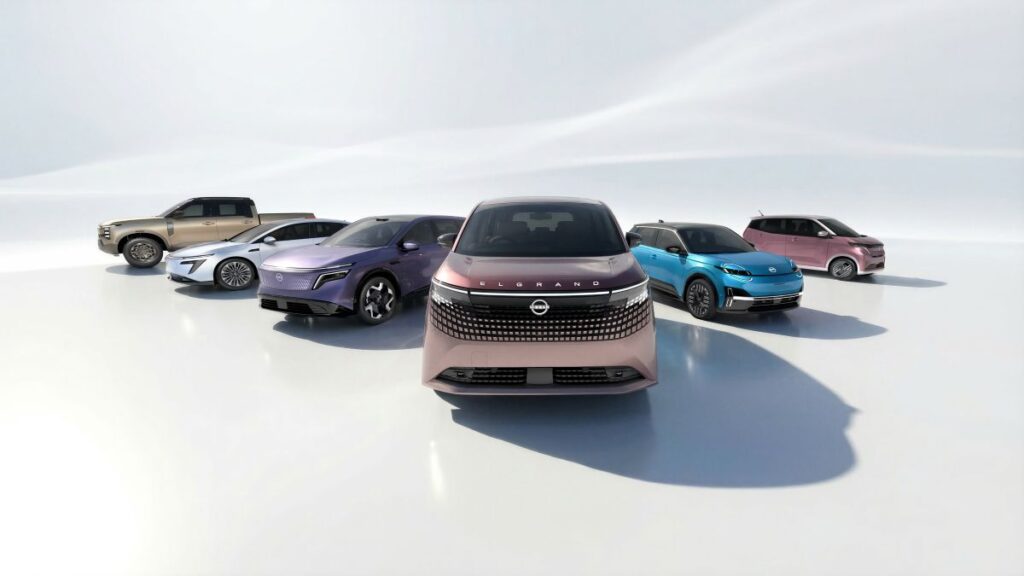
The company plans to expand its Nissan AI Drive technology across approximately 90 percent of its global lineup over time. The system combines vehicle control, safety technologies, and autonomous driving capabilities. The first production model expected to reflect this approach will be the next-generation Nissan Elgrand, scheduled for launch in summer 2026. Nissan said it intends to introduce end-to-end autonomous capabilities through its ProPILOT system by fiscal year 2027.
In parallel, Nissan AI Partner technology will focus on improving the in-cabin experience, enabling vehicles to better integrate with daily activities and provide more intuitive interaction for drivers and passengers.
Electrification Strategy Expands Across Multiple Powertrains
Nissan’s long-term plan includes a broad mix of electrified powertrains designed to meet varying global market needs. The company will continue expanding its hybrid e-POWER system, which uses an electric motor to drive the wheels while a gasoline engine generates electricity. Additional developments include a new hybrid system for larger, body-on-frame vehicles, as well as plug-in hybrid and range-extender solutions developed through partnerships. This approach reflects a strategy of offering multiple electrification pathways rather than committing exclusively to battery electric vehicles.
Product Lineup to Be Reduced and Refocused
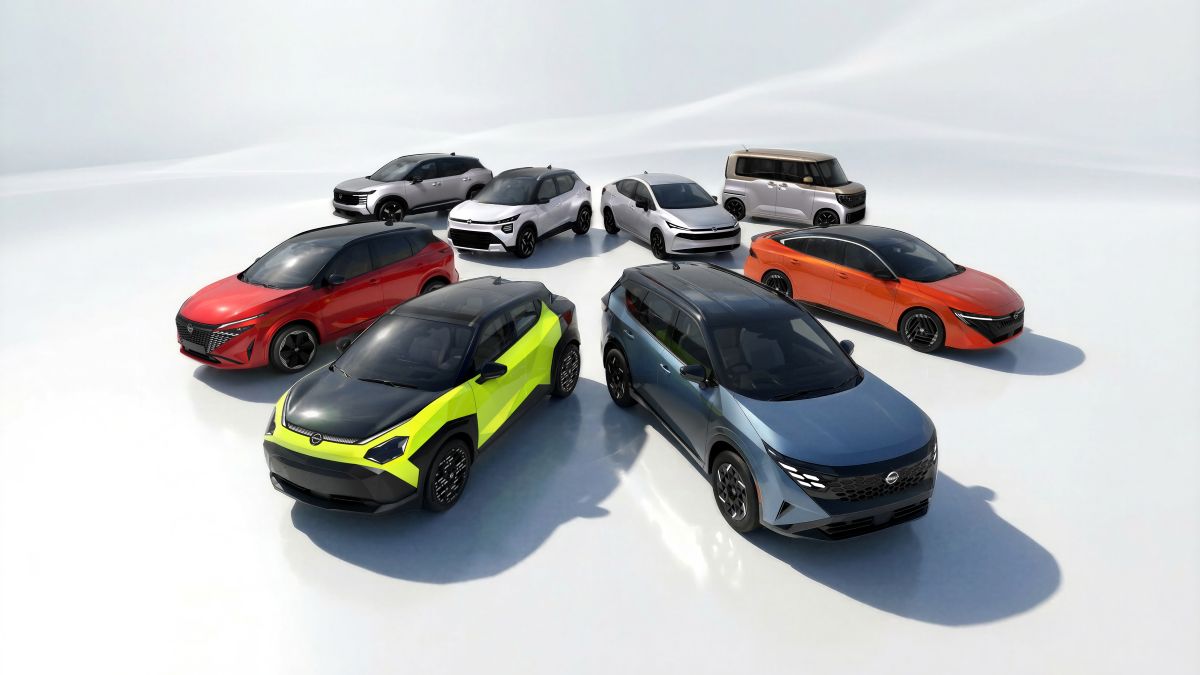
As part of the restructuring effort, Nissan plans to reduce its global model lineup from 56 vehicles to 45. The company will eliminate lower-performing models and reallocate resources to higher-demand segments.
The revised portfolio will be organized into four categories:
- Heartbeat models focused on brand identity and innovation
- Core models supporting global sales volume
- Growth models targeting emerging demand
- Partner models developed through collaborations
Nissan also plans to concentrate approximately 80 percent of its global sales volume within three core vehicle families, with the aim of improving efficiency, reducing costs, and accelerating development timelines.
Upcoming Models Highlight Strategic Direction
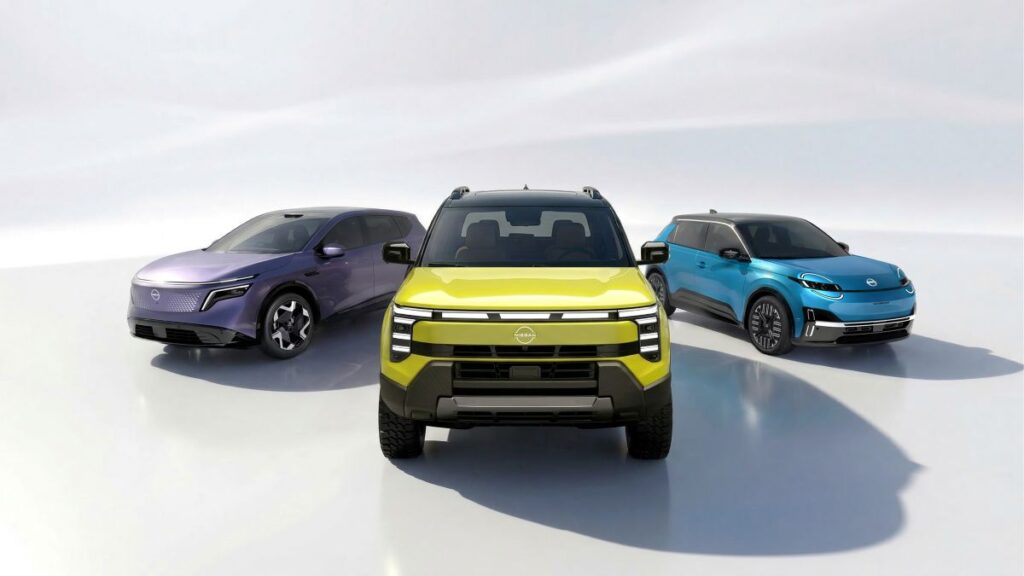
Several upcoming and future models were highlighted as examples of the new strategy, including:
- Next-generation Rogue and X-Trail Hybrid e-POWER models
- A new Xterra SUV for North America
- A fully electric Juke for Europe
- A next-generation Skyline for Japan
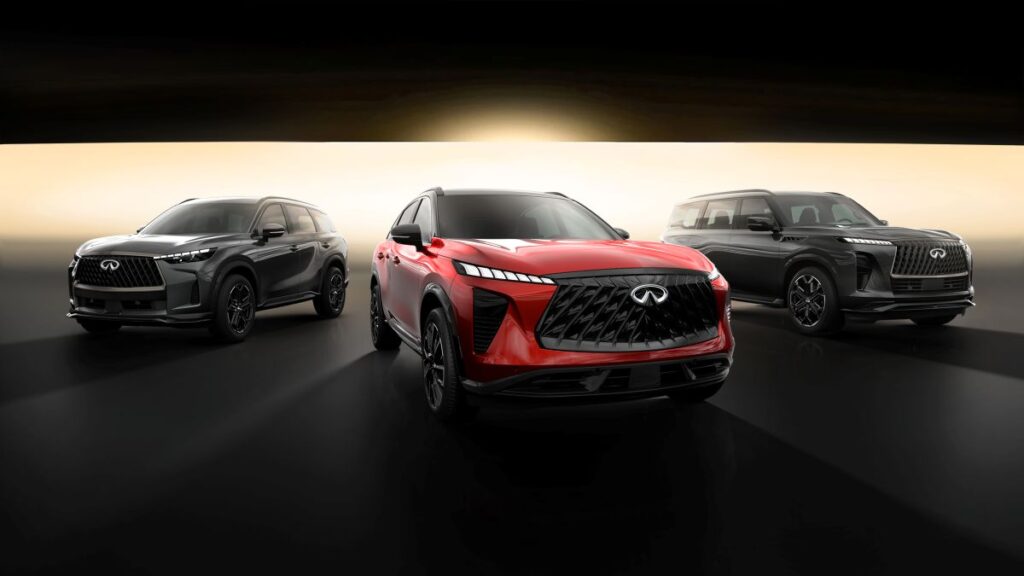
In the premium segment, INFINITI will introduce new models, including the 2027 QX65 SUV, a new sports sedan, and a hybrid compact luxury SUV by 2028.
Industrial and Manufacturing Changes
Nissan also plans to shift its development strategy toward a platform-based approach known as the Nissan Product Family strategy. Rather than designing vehicles individually, the company will develop shared architectures, powertrains, and software systems across multiple models. This is expected to increase production efficiency, reduce costs, and accelerate time to market. The company aims to increase volume per model by more than 30 percent while maintaining flexibility across global markets.
Global Market Strategy Focuses on Three Key Regions
Nissan identified the United States, Japan, and China as its three primary markets moving forward. In North America, the company aims to reach one million annual unit sales by fiscal year 2030, supported by a focus on larger vehicles and localized production.
Japan will serve as a testing ground for advanced technologies, including next-generation driver assistance systems, while China will function as both a major sales market and an export hub for global operations. Additional markets, including Mexico and the Middle East, will continue to play important roles in profitability and growth.
Looking Ahead
Nissan said it will provide further updates on its progress when it reports full-year financial results in May, with additional details on its long-term strategy expected later in the year. Company leadership emphasized that the combination of AI technologies, electrification, and a more focused global strategy will be critical to sustaining growth and improving competitiveness in the coming years.
Quick Facts
- Vision Name: Mobility Intelligence for Everyday Life
- Core Focus: AI-Defined Vehicles, electrification, customer experience
- AI Deployment Target: 90 percent of global lineup
- First AIDV Model: Nissan Elgrand (2026)
- Autonomous Target: ProPILOT end-to-end by FY2027
- Model Reduction: From 56 to 45 vehicles
- Key Markets: U.S., Japan, China
- North America Goal: 1 million units annually by 2030
FAQ
What is Nissan’s new vision?
A long-term strategy centered on integrating AI and electrification into vehicles to improve customer experience and competitiveness.
What are AI-Defined Vehicles?
Vehicles that integrate AI-driven systems for driving, safety, and in-cabin interaction, forming the foundation of Nissan’s future lineup.
Will Nissan go fully electric?
Not exclusively. The company plans to offer a mix of hybrid, plug-in hybrid, and electric vehicles depending on market demand.
Why is Nissan reducing its lineup?
To focus resources on higher-performing models, improve efficiency, and accelerate development.
Which markets are most important to Nissan?
The United States, Japan, and China are identified as the company’s primary markets for growth and innovation.