


 Michael Satterfield
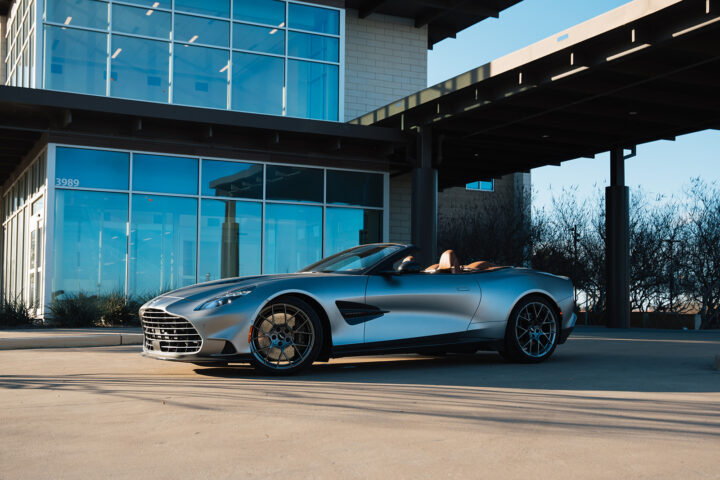
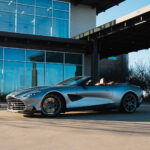
There are moments in a marque’s history when romance collides head-on with reality. For Aston Martin, this is one of those moments. Incidentally, I am driving a 2026 Aston Martin Vanquish Volante this week, and it is by far the best modern Aston Martin I have ever driven. But still, Aston Martin has announced it will cut up to 20 percent of its global workforce, roughly 600 jobs from a staff of about 3,000, as mounting losses and tariff turbulence squeeze the British icon from both sides of the Atlantic. The move is expected to deliver about $54 million in annual savings.
For a company that trades as much on myth as metal, this is a sobering chapter.

Aston Martin Formula 1 Naming Rights
In a bid to shore up liquidity, Aston Martin has also agreed to sell the perpetual naming rights of its Formula One team to AMR GP Holdings in a $68 million deal. The transaction, which still requires shareholder approval, effectively monetizes the brand’s presence in the paddock while keeping the cars green and the grid slot intact.
Chairman Lawrence Stroll, through his investment vehicle, remains central to the arrangement. Backing from major shareholders signals confidence, at least publicly, that this is a strategic maneuver rather than a distress flare.
Still, when a luxury automaker sells the name on its own race car, it is not a casual decision. Formula One has been positioned as a halo, a reminder that Aston Martin belongs in the same sentence as the great sporting names of Europe. Now it is also a line item on the balance sheet.

Tariffs, China, and the Cost of Being British
The broader context is unforgiving.
Aston Martin reported that its net losses widened 52 percent last year to $667.2 million. Operating losses hit $351.2 million. Debt stands at $1.87 billion. Add in US import tariffs that briefly jumped to 27.5 percent before settling at 10 percent under a capped agreement, and you have a brand fighting gravity in multiple markets at once.
Exports to the United States were temporarily slowed while trade terms were clarified. China, once a beacon for ultra-luxury growth, remains soft. Demand in China has been described as extremely subdued. In plain English, the showroom traffic is not what it was. Luxury buyers in the Middle Kingdom are still buying, but they are buying carefully. The era of unchecked exuberance has cooled.

Trimming the Future to Save the Present
Aston Martin has also pared back its five-year capital expenditure plan from $3.67 billion to $2.3 billion, delaying certain electric vehicle investments. That is not a retreat from electrification so much as a recalibration of timing. The brand cannot afford to sprint toward the future if the present is gasping for air.
And yet, there is a flicker of optimism. Around 500 deliveries of the upcoming Valhalla hybrid supercar are planned, and management forecasts a material improvement in financial performance in 2026.
If you have seen the Valhalla in person, you understand the bet. It is low, loud in its intent if not its exhaust note, and aimed squarely at the modern hypercar elite. It is also expensive. Aston Martin needs every one of those 500 cars to find a well-funded home.

The Tightrope
For enthusiasts, the worry is not just about numbers. It is about identity. Aston Martin has always walked a tightrope between hand-built artistry and corporate survival. From the David Brown years to Ford ownership to the current Stroll era, the company has endured reinventions before. Each time, it has emerged changed but still recognizably Aston Martin.
The question now is whether cost-cutting and branding deals can buy enough time to let the product lead again.
Because, in the end, no balance-sheet maneuver will save a sports car company. Only the cars can do that. And on that front, Gaydon still knows how to build something that makes your pulse quicken.
The hope is that, once the financial dust settles, the badge on the nose still means what it always has.







I like articles like this, informative and straight to the point, hope Aston Marin can pull out of the dip.
Makes sense their pricing themselves with Ferrari but not providing the Ferrari experience or wins
It’s Aston, this is just how they opperate
They need to make something more affordable