

 Michael Satterfield
On a recent visit to Dayton, Ohio I stumbled across America’s Packard Museum almost completely by accident, while there were several amazing cars in the collection the Jesse Vincent Speedster was one that warranted some additional research.
Walk through any good automotive museum and you will see the expected icons. Packards with sweeping fenders. Stately touring cars built for captains of industry. Machines designed to glide quietly down long American boulevards.
And then, occasionally, you stumble across something different.
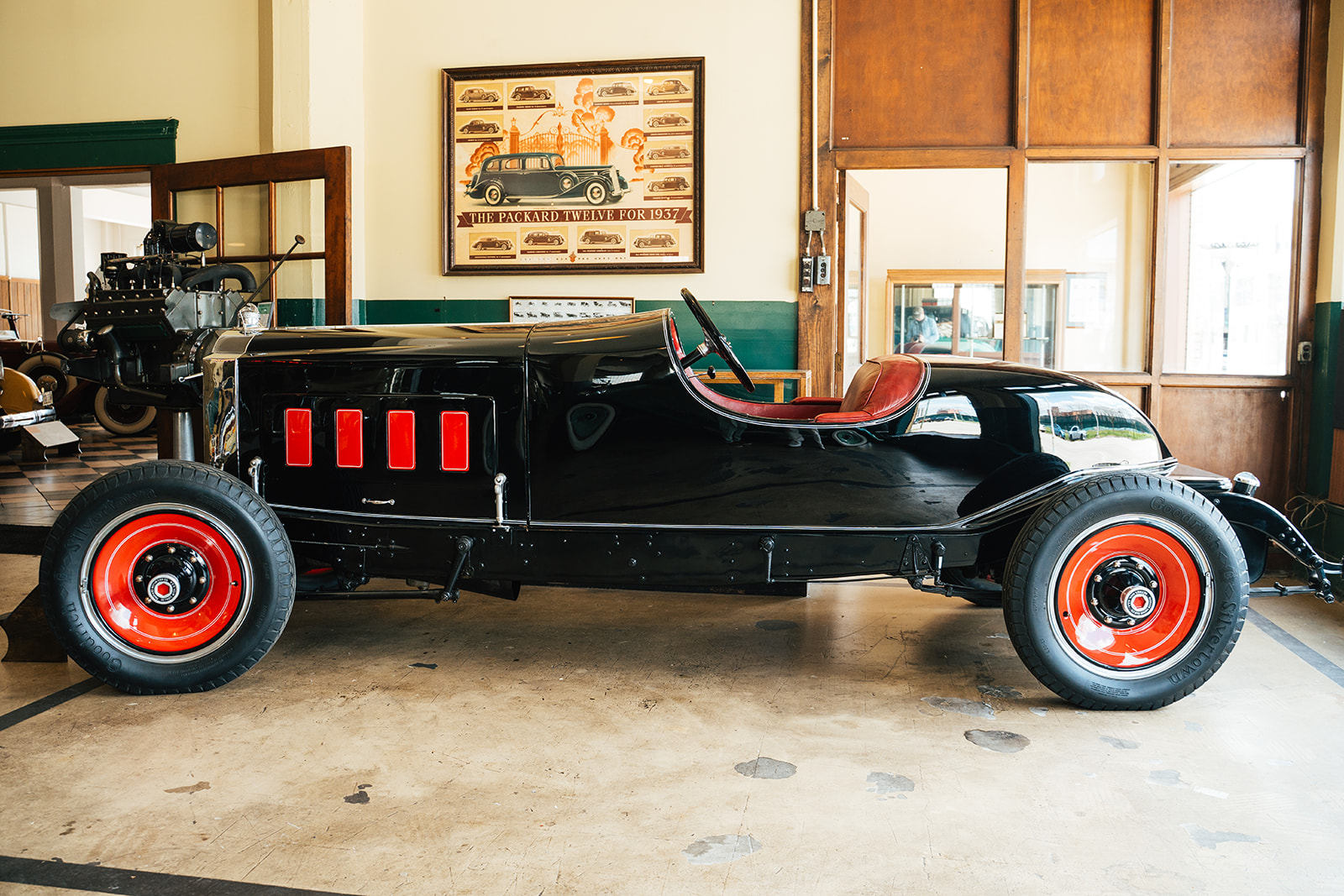
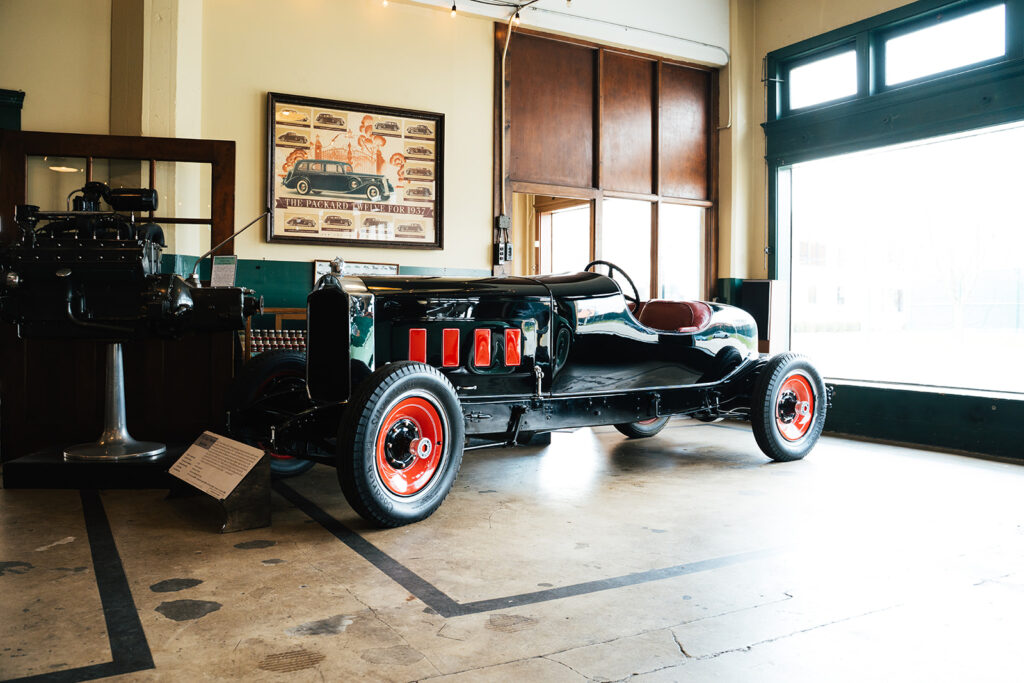
The 1928 Jesse Vincent Speedster is one of those cars. It looks like a Packard that decided it had somewhere urgent to be. Stripped down, purposeful, and unusually aggressive for its era, it tells a story not of luxury, but of curiosity. This was not a car built for customers. It was built by an engineer who wanted to see what was possible.
That engineer was Jesse Gurney Vincent, one of the most influential figures in early American automotive engineering.
The Man Behind the Jesse Vincent Speedster
Vincent served as Vice President of Engineering at Packard Motor Car Company, a brand known in the 1920s for building some of the finest luxury automobiles in the world. Packard’s reputation was built on quiet refinement and exceptional engineering, and Vincent played a key role in shaping that identity.
But his achievements extended far beyond automobiles. During World War I, Vincent helped design the Liberty V12 aircraft engine, one of the most important aviation powerplants of the era. The Liberty engine powered American and Allied aircraft during the war and became a benchmark for engineering collaboration and efficiency. By the late 1920s, Vincent had earned the freedom to experiment. And experiment he did.
A Personal Performance Project
In 1927, Vincent reportedly received permission from Packard management to build a special car using company resources. Rather than creating another luxury touring car, he set out to answer a different question.
What would happen if you built a Packard purely for speed?
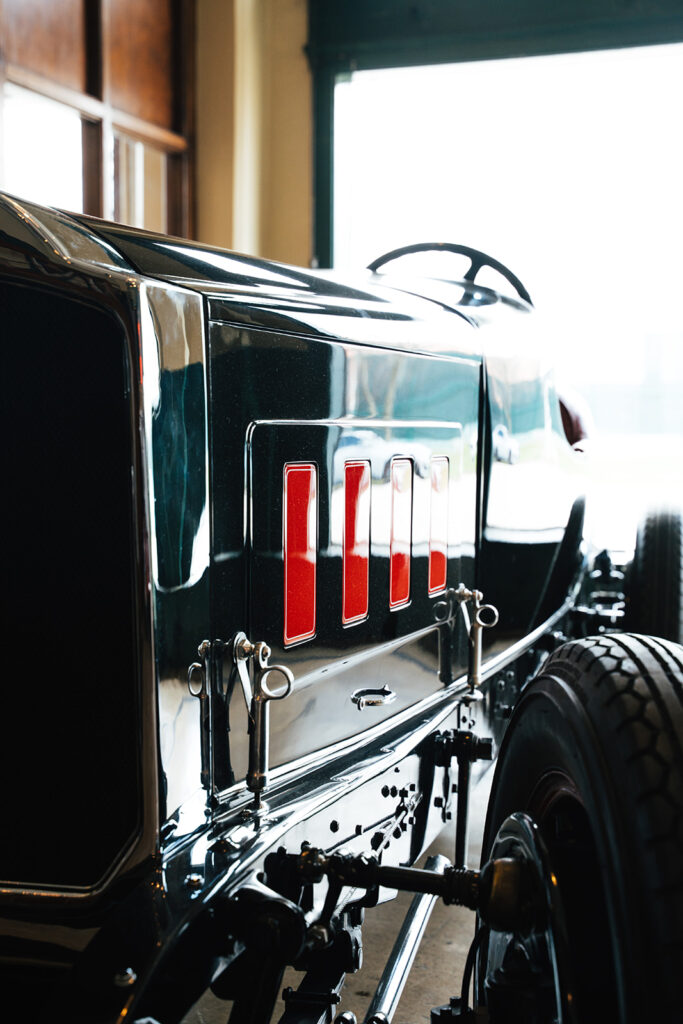
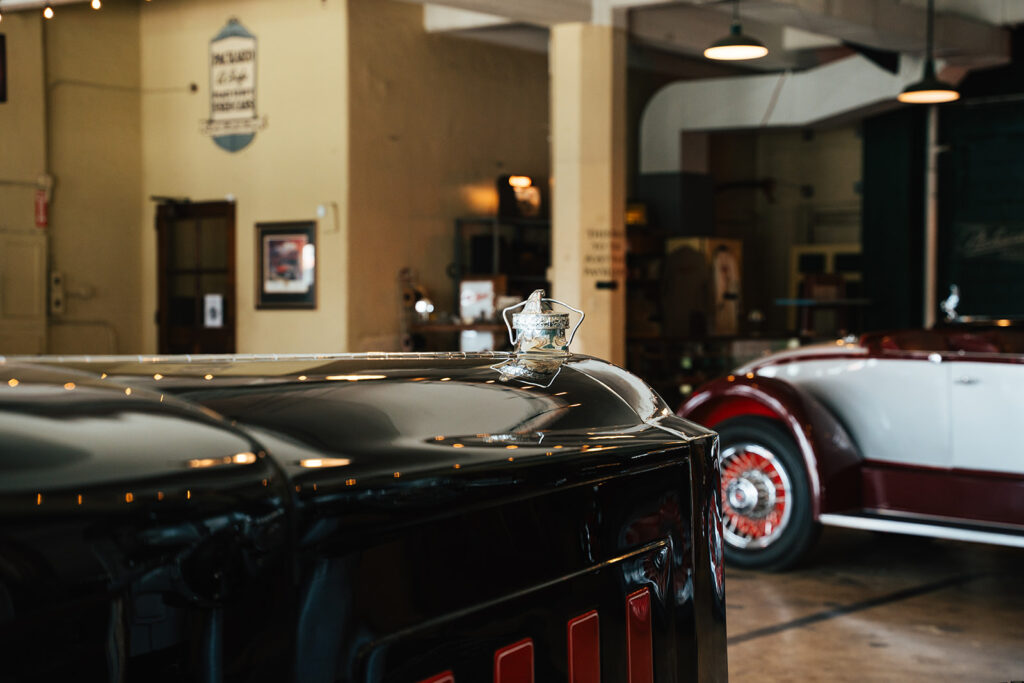
The result was the Jesse Vincent Speedster, completed around 1928. The car used Packard mechanical components but in a far lighter and more purposeful configuration. The body was stripped down to the essentials, creating a machine that looked more like a European racing special than the stately American luxury cars Packard was famous for.

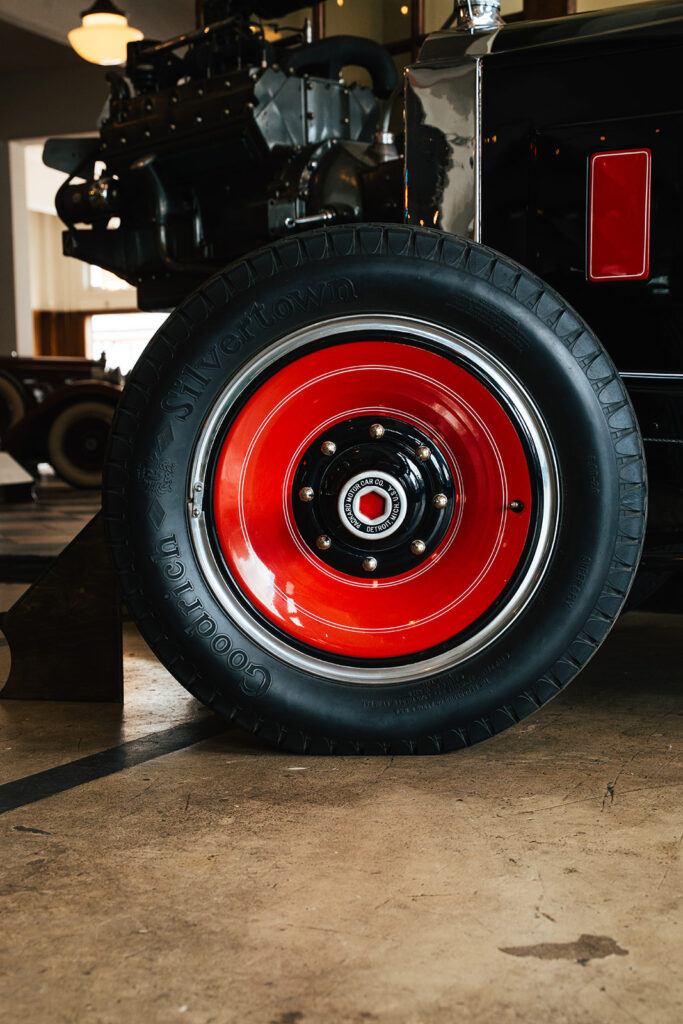
Under the hood sat a large Packard straight eight engine, producing roughly 130 horsepower. In the late 1920s that was serious power. Combined with a lightweight chassis and simplified bodywork, the car reportedly reached speeds approaching 100 miles per hour, an extraordinary figure for the period. To put that in perspective, most production automobiles in 1928 struggled to reach half that speed.
An American Speed Tradition
While European marques like Bugatti and Alfa Romeo were already exploring lightweight sports machines, American manufacturers largely focused on comfort and durability.
Vincent’s speedster stood apart from that tradition. It demonstrated that American engineering could produce a performance machine capable of rivaling European designs. It was not intended for mass production, but it revealed the hidden potential inside Packard’s engineering department.
In many ways, the car foreshadowed the later American fascination with high performance machinery. Before Shelby Cobras, before Corvette Sting Rays, before muscle cars, there were engineers quietly experimenting with speed.
A Rare Survivor
Unlike many experimental machines of the era, the Jesse Vincent Speedster survived. Today it is preserved as an example of early American engineering ambition.
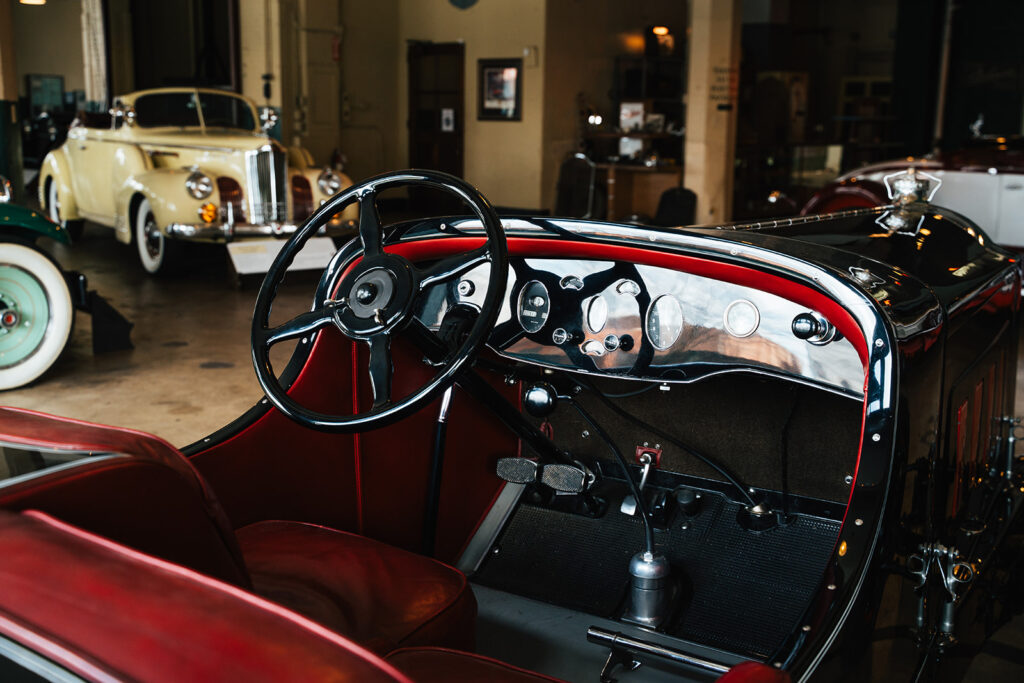
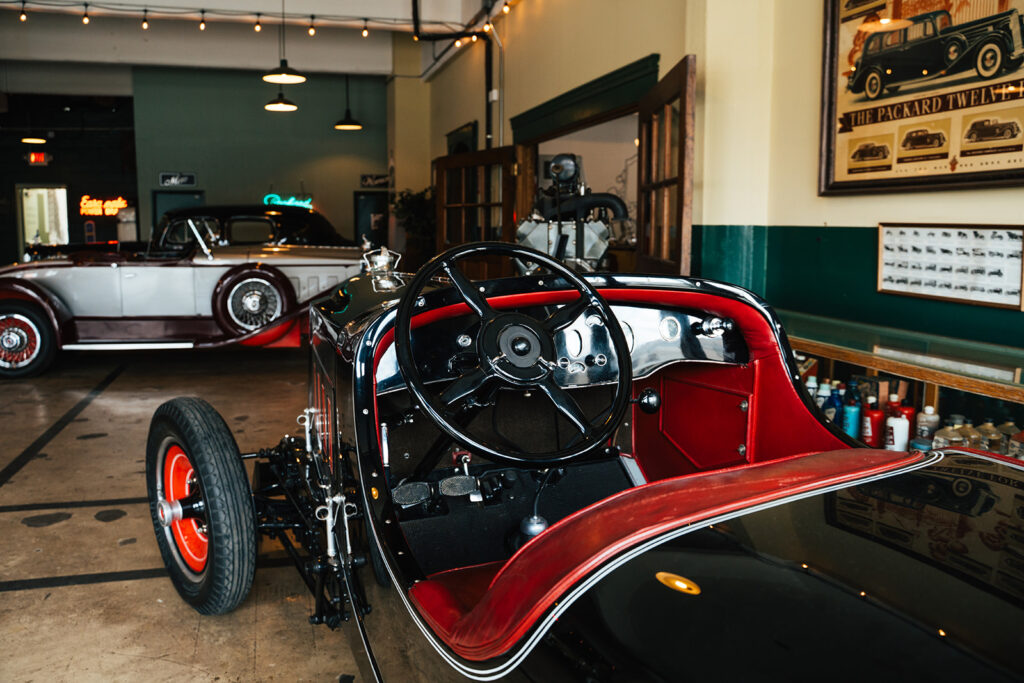
Seeing the car in person offers a glimpse into a different kind of innovation. The body is narrow and purposeful. The exposed mechanical components reflect a time when automobiles were closer to machines than appliances. There are no driving modes. No electronics. No safety systems. Just an engine, a chassis, and the imagination of an engineer who wondered what might happen if he pushed things a little further.
Why It Still Matters
Automotive history often celebrates production cars and racing legends, but experimental machines like the Vincent Speedster tell an equally important story. They reveal the curiosity that drives engineering forward. The Jesse Vincent Speedster was not built for sales figures. It was built because one man wanted to explore the limits of what Packard engineering could achieve. Nearly a century later, that spirit still defines the best cars ever built.
Quick Facts
- Car: 1928 Jesse Vincent Speedster
- Designer: Jesse Gurney Vincent
- Company: Packard Motor Car Company
- Engine: Packard Straight Eight
- Horsepower: Approximately 130 hp
- Top Speed: Nearly 100 mph
- Purpose: Experimental performance car
- Notable Achievement: Demonstrated Packard’s potential for high speed performance engineering
- Historical Context: Built during the golden age of American luxury automobiles
Frequently Asked Questions
Who was Jesse Vincent?
Jesse Gurney Vincent was Vice President of Engineering at Packard Motor Car Company and one of the most respected automotive engineers of the early 20th century. He also helped design the Liberty aircraft engine used during World War I.
What was the Jesse Vincent Speedster?
The Jesse Vincent Speedster was a one off experimental car built by Vincent around 1928 to explore the performance potential of Packard mechanical components.
How fast was the Jesse Vincent Speedster?
The car reportedly reached speeds close to 100 mph, which was extremely fast for an automobile in the late 1920s.
Was the Jesse Vincent Speedster ever produced for sale?
No. The car was an experimental project and was never intended for production.
Why is the Jesse Vincent Speedsterr historically important?
It represents early American experimentation with high performance automobiles and shows that engineers at luxury manufacturers like Packard were exploring speed and lightweight design long before the modern sports car era.







Are you going to do more write ups like this? Looks like there are a lot of cars in that museum.
Working on it, we didn’t shoot photos in detail of each one.
Bu güzel bilgilendirmeler için teşekkür ederim.
勇気の時代におけるスピードとデザイン
Would be cool if car companies still had grassroots works divisions
I am from Dayton and didn’t know this place here. Added to my list for this weekend.
Great article, i really enjoy reading it, i hope you post more, keep up the good wok , froompo.com is gona come follow you for more , nice reading it.
No one else is doing these kind of stories, thanks for sharing.
Great article, i really enjoy reading it, i hope you post more, keep up the good work.
Great machine. I was lucky enough to see and hear it race at the Hershey Hillclimb. Love it !!!
Great article, i really enjoy reading it, i hope you post more, keep up the good wok